MSRM US300 Extender Setup: Complete Step-by-Step Guide for Home Networks
-
- April 12th, 2026
- 1,152 views

👉 Best IPTV Services 2026 – 10,000+ Channels, 4K Quality – Start Free Trial Now
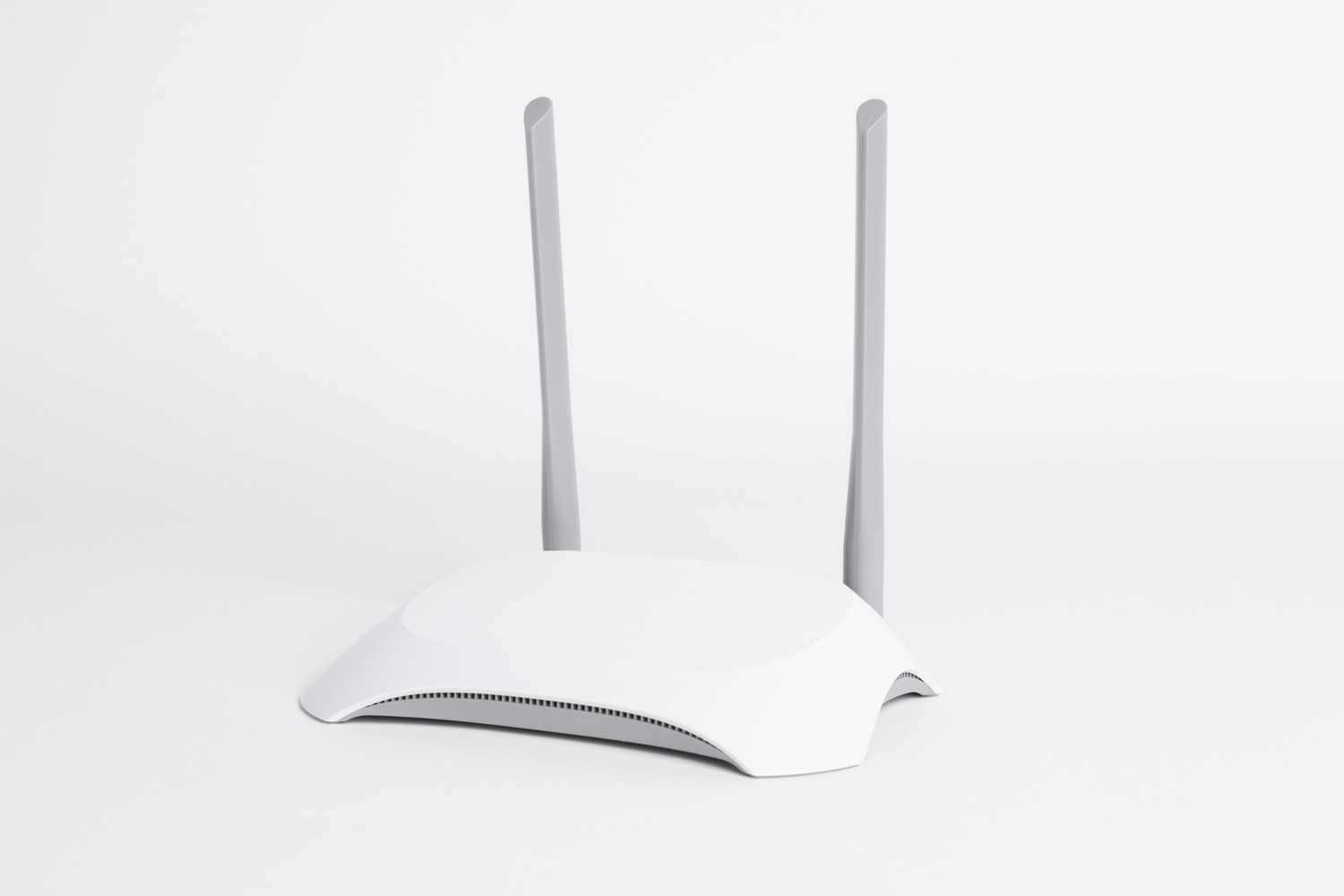
The MSRM US300 Extender Setup describes the steps needed to integrate the device into an existing home or small office network, including placement, connection methods, and basic security configuration. The process covers wireless repeater mode, access point (AP) and bridge options, firmware updates, and common troubleshooting steps for Wi‑Fi performance and IP addressing.
- Unbox and power the extender, choose placement halfway between router and dead zone.
- Use WPS for quick pairing or the web interface for advanced settings (SSID, password, mode).
- Update firmware, secure SSID with WPA2/WPA3, and configure DHCP or static IP as needed.
- Troubleshoot connectivity issues by checking LEDs, rebooting devices, or performing a factory reset.
MSRM US300 Extender Setup: initial checklist and placement
Unboxing and hardware checklist
Verify that the package contains the MSRM US300 unit, a power adapter (if required), an Ethernet cable, and a quick start card. Confirm the model and regulatory markings on the label; regional certifications (for example, FCC identifiers in the United States or CE markings in Europe) indicate compliance with local radio rules and may be listed on the product label.
Optimal placement and radio considerations
Place the extender midway between the main router and the coverage gap, avoiding obstructions such as metal cabinets and large appliances. For best performance, select a location with a strong signal from the router on both 2.4 GHz and 5 GHz bands if the extender supports dual-band operation. Consider Ethernet backhaul (wired connection) for highest throughput and lowest latency when feasible.
Connection methods: WPS, web interface, and Ethernet
WPS (push-button) pairing
WPS can provide a quick connection without entering credentials. Press the WPS button on the router, then the WPS button on the MSRM US300 within the specified time window (typically two minutes). Observe the LED indicators for pairing confirmation. Because WPS has known security limitations, use it only when convenience is essential and switch to manual configuration afterward for stronger security.
Web interface setup (recommended for full control)
1. Connect a computer to the extender via Ethernet or temporary Wi‑Fi. 2. Open a browser and navigate to the extender’s default IP address (common defaults include 192.168.0.1 or 192.168.1.1; consult the device label or quick start guide). 3. Log in using the default admin credentials printed on the unit or manual. 4. Select the desired operation mode: repeater/booster, access point (AP), or wired bridge. 5. Choose the target SSID to extend, enter the Wi‑Fi passphrase, and configure the extended network SSID and password if the option is available. 6. Save settings and allow the unit to reboot if required.
Ethernet connection (Access Point / wired backhaul)
When using Ethernet backhaul, connect the router LAN port to the MSRM US300 Ethernet port. Set the extender to AP mode if available. Configure the SSID and security settings via the web interface. For networks with a central DHCP server, the extender should be set to obtain its IP automatically (DHCP client) or assigned a static IP outside the router’s DHCP pool to simplify management.
Security, firmware, and IP addressing
Wi‑Fi security settings
Use WPA2 or WPA3 encryption with a strong passphrase to protect the wireless network. Disable WPS after initial setup if not required. Change the default administrator password on the extender to prevent unauthorized changes. If the extender supports separate SSIDs for 2.4 GHz and 5 GHz, consider distinct names to control band usage or enable band steering if supported.
Firmware updates
Check for firmware updates via the extender’s web interface. Firmware patches often include performance improvements, security fixes, and compatibility updates for new router firmwares. Apply updates during low-use periods and do not interrupt the power during the process.
IP addressing and DHCP
By default, the extender may act as a DHCP client and receive an IP address from the main router. For network stability, assign a static IP to the extender in the router’s management interface or configure a DHCP reservation. Document the IP address to access the web interface later. If the extender provides its own DHCP server, disable that feature when operating in AP mode to avoid conflicts.
Troubleshooting and maintenance
LED indicators and basic checks
Interpret the status LEDs following the quick start guide: power, link to router, wireless activity, and errors. If the extender shows no lights, verify power and the adapter. If the extender connects but clients have no internet, reboot the router and extender in sequence: router first, then extender.
Common fixes
- Reboot both router and extender.
- Re-run setup to confirm SSID and passphrase are correct.
- Move the extender closer to the router and test signal strength, then gradually move toward target area.
- If connectivity remains unstable, perform a factory reset and configure again.
When to consult official resources
For regulatory questions or radio-operation guidance, consult national authorities and wireless standards bodies. Relevant technical standards are maintained by organizations such as the Institute of Electrical and Electronics Engineers (IEEE) for 802.11 specifications and national regulators like the Federal Communications Commission (FCC) in the U.S. For general FCC information on Wi‑Fi rules and consumer guidance, see FCC Wi‑Fi information.
Advanced configuration options
Bridge and repeater modes
Use bridge mode to link two wired networks over Wi‑Fi, or repeater mode to extend the same wireless network. Bridge mode may require manual channel and subnet alignment depending on network architecture. Repeater mode is easier but often halves wireless throughput compared with wired backhaul.
Quality of Service (QoS) and guest networks
If supported, enable QoS to prioritize voice and video traffic. Configure a guest network to isolate visitor traffic from the primary LAN for additional security. Verify that guest VLAN or client isolation features are configured properly in both router and extender interfaces.
FAQ
How is the MSRM US300 Extender Setup performed using WPS?
Press the WPS button on the router, then press the WPS button on the MSRM US300 within the allowed time window. Wait for LEDs to indicate successful pairing, then verify internet access. Note that WPS has security limitations; disable it after completing setup if not required.
What default IP address is used to access the MSRM US300 web interface?
Common default IPs include 192.168.0.1 or 192.168.1.1, but the exact address can vary by model and region—check the device label or quick start guide. If the extender is in DHCP mode, check the router’s client list to find the assigned IP.
Why is updating firmware important for the MSRM US300 Extender Setup?
Firmware updates can fix security vulnerabilities, improve wireless stability, and add compatibility with newer router features. Apply updates from the official device interface and follow the manufacturer’s instructions to avoid interruptions.
How can signal strength be improved after MSRM US300 Extender Setup?
Improve signal by relocating the extender closer to the router, minimizing obstructions, using Ethernet backhaul where possible, and selecting the least congested Wi‑Fi channel. Consider adding additional access points or a mesh system for large homes.
How can a factory reset be performed on the MSRM US300?
Locate the reset pinhole, press and hold with a paperclip for the time specified in the manual (commonly 10–15 seconds) until LEDs indicate reset. After reset, reconfigure the device from factory defaults.