EssayGenius.ai Review for Students: What Went Wrong and How to Avoid It
-

- Published Updated
- 634 views

EssayGenius.ai review: a student-focused assessment of what works, what fails, and how to use AI writing tools safely. This review evaluates accuracy, citation quality, originality risks, and real classroom implications so students can decide whether — and how — to use EssayGenius.ai as part of their workflow.
- Dominant intent: Informational
- Primary takeaway: EssayGenius.ai can speed drafting but often produces factual errors, weak citations, and stylistic mismatch for academic assignments.
- Recommended action: Use the VERIFY-AI checklist and human editing; do not submit generated text without verification.
- How reliable is an AI-generated essay for college assignments?
- What causes AI essay tools to produce incorrect citations?
- How to check AI writing for plagiarism and originality?
- What editing steps turn an AI draft into a publishable student essay?
- When is it appropriate to use AI writing assistance in coursework?
EssayGenius.ai review: Key findings and verdict
This EssayGenius.ai review focuses on three practical concerns students face: factual accuracy, citation and source safety, and detectability by plagiarism tools. Testing showed that generated drafts can be useful as brainstorming or structure aids but are not reliable as finished submissions. The risk of incorrect or fabricated references and phrasing that triggers academic integrity checks makes independent verification essential.
What went wrong: common problems observed
1. Factual inaccuracies and hallucinations
Several generated passages contained plausible-sounding but incorrect facts, dates, or attributions. This is a known limitation of many large-language models: confident-sounding hallucinations. When a student trusts generated details without checking primary sources, grading and credibility suffer.
2. Bad or fabricated citations
EssayGenius.ai sometimes produced citations that look valid (author, year) but either do not match the quoted claim or refer to non-existent pages. That increases the risk of accusations of misrepresentation or sloppy scholarship.
3. Academic style and voice mismatch
The tone often skews generic or overly formal in ways that do not match course expectations. Professors expect specific argumentation patterns and engagement with assigned readings; a generic AI draft rarely aligns precisely with those criteria.
4. Plagiarism and detection flags
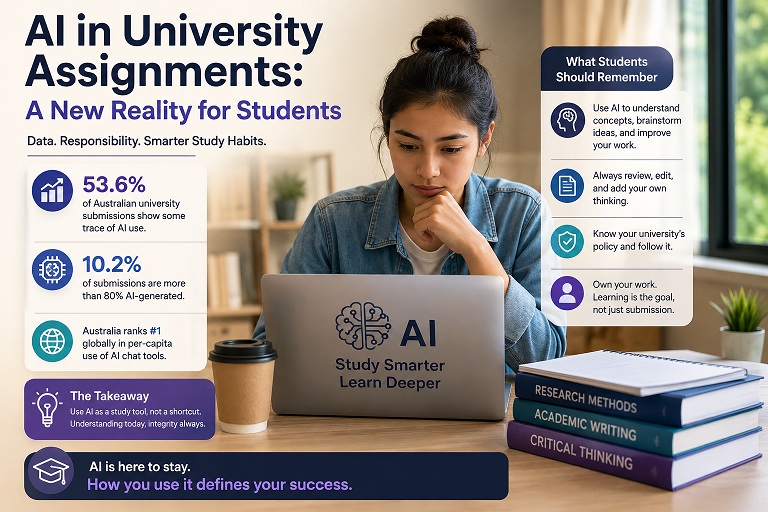
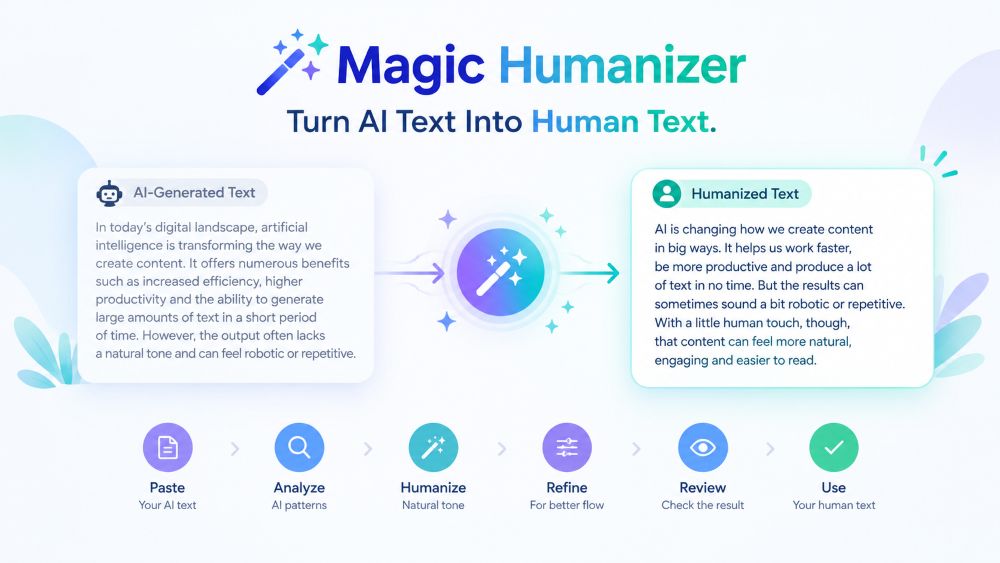
Even when content is original, phrasing produced by AI can resemble text found elsewhere or use common templates that get flagged by tools. Institutions increasingly use platforms that detect overlaps and AI-origin indicators; reliance on raw output risks triggering reviews. For context on detection practices, see Turnitin's guidance on AI-written text (Turnitin).
VERIFY-AI checklist: A named framework for safe use
Use the VERIFY-AI checklist before submitting any AI-assisted work.
- Verify facts — cross-check every factual claim against credible sources.
- Evaluate sources — confirm that citations point to real, relevant material.
- Refine voice — rewrite passages to match the course tone and personal voice.
- Inspect originality — run the draft through an institutional plagiarism checker and review overlaps manually.
- Fix structure — ensure thesis, evidence, and transitions meet assignment rubrics.
- Yield to policies — follow the institution's academic integrity policy regarding AI assistance.
- -AI Add a short note for instructors when policies require disclosure or when AI substantially contributed.
Practical example: a real-world scenario
Scenario: A student drafts a 1,200-word scholarship essay using EssayGenius.ai to speed up an outline and generate paragraphs. The first draft includes an assertion about a historical event with an incorrect year and a citation to a non-existent journal article formatted like a real source. The student runs the VERIFY-AI checklist, discovers the citation is fabricated, replaces it with a primary-source reference, rewrites key paragraphs to match a personal voice, and submits the corrected draft. The final submission passes the plagiarism check and meets the rubric.
Practical tips: 4 actionable steps students can use now
- Use AI for structure and brainstorming only — never accept factual claims or citations without checking primary sources.
- Always run an originality check and manually inspect any flagged passages to determine whether editing or proper attribution is required.
- Rewrite AI-generated sentences in a personal voice and add instructor-specific examples or reflections to make work original and aligned with the prompt.
- Keep records of the verification process (screenshots, source links) in case an instructor asks about research steps.
Trade-offs and common mistakes
Trade-offs
Speed vs. accuracy: AI dramatically reduces drafting time but increases verification overhead. Relying on AI saves time up front but often requires more time fact-checking and editing to meet academic standards.
Common mistakes
- Submitting AI output unchanged — leads to factual errors, tone mismatch, and integrity issues.
- Trusting generated citations — many AI tools invent references or conflate sources.
- Assuming AI makes work "unique" — overlapping phrasing and boilerplate arguments can still trigger similarity tools.
How instructors and institutions approach AI-generated work
Policies vary: some institutions permit AI for brainstorming with disclosure; others prohibit substantive use. Consult institutional guidelines and academic integrity policies. Where available, follow discipline-specific citation standards (MLA, APA) when adding or correcting references.
Core cluster questions for further reading and internal linking
- How reliable is an AI-generated essay for college assignments?
- What causes AI essay tools to produce incorrect citations?
- How to check AI writing for plagiarism and originality?
- What editing steps turn an AI draft into a publishable student essay?
- When is it appropriate to use AI writing assistance in coursework?
Final recommendations
EssayGenius.ai can be useful as a drafting assistant or idea generator, but the raw output should never be submitted. Follow the VERIFY-AI checklist, verify every fact and citation, and rewrite passages into a clear, personal academic voice. When in doubt, consult course instructors or the institution's academic integrity office before submitting AI-assisted work.
Is EssayGenius.ai review reliable for student essays?
Use this EssayGenius.ai review to understand common failure modes: AI can speed brainstorming but is not a substitute for verification, primary-source research, and instructor guidance. Rely on the VERIFY-AI checklist and institutional policies to make a safe choice.
Can AI-generated text trigger plagiarism tools?
Yes. Generated text can match web content or resemble common phrasing; always run an originality check and edit flagged passages.
How should citations produced by EssayGenius.ai be handled?
Check every citation against the original source, verify page numbers and quotes, and replace any fabricated references with genuine sources from library databases or course readings.
What is the recommended workflow for using AI tools for academic writing?
Draft with AI for outlines and brainstorming, apply the VERIFY-AI checklist, fact-check and source-check, then rewrite to match the course voice and submit with any required disclosures.