How Preschool Curriculum Has Changed in the Last 10 Years: Trends, Checklist, and Practical Guidance
-
- March 06th, 2026
- 345 views

Get a free topical map and start building content authority today.
The last decade of preschool education saw notable preschool curriculum changes driven by research, policy shifts, and classroom experience. This guide breaks down what changed, why it matters for children ages 3–5, and how programs can adapt without losing developmentally appropriate practice.
- Major shifts: stronger emphasis on play-based learning, social-emotional development, and formative assessment.
- Frameworks: Developmentally Appropriate Practice (DAP) and program models like HighScope remain central, with clearer alignment to standards and equity goals.
- Practical tools: a 5-point Preschool Curriculum Checklist and adaptation tips for teachers and program leaders.
Detected intent: Informational
preschool curriculum changes: major trends from then to now
Over the past 10 years, preschool curriculum changes focused on three intersecting trends: prioritizing social-emotional learning, integrating play-based learning with targeted skill development, and using ongoing assessment to personalize instruction. These shifts reflect wider early childhood education trends, including attention to equity, family engagement, and measurable outcomes.
Key areas that changed
1) Instructional approach: play-based learning vs academics
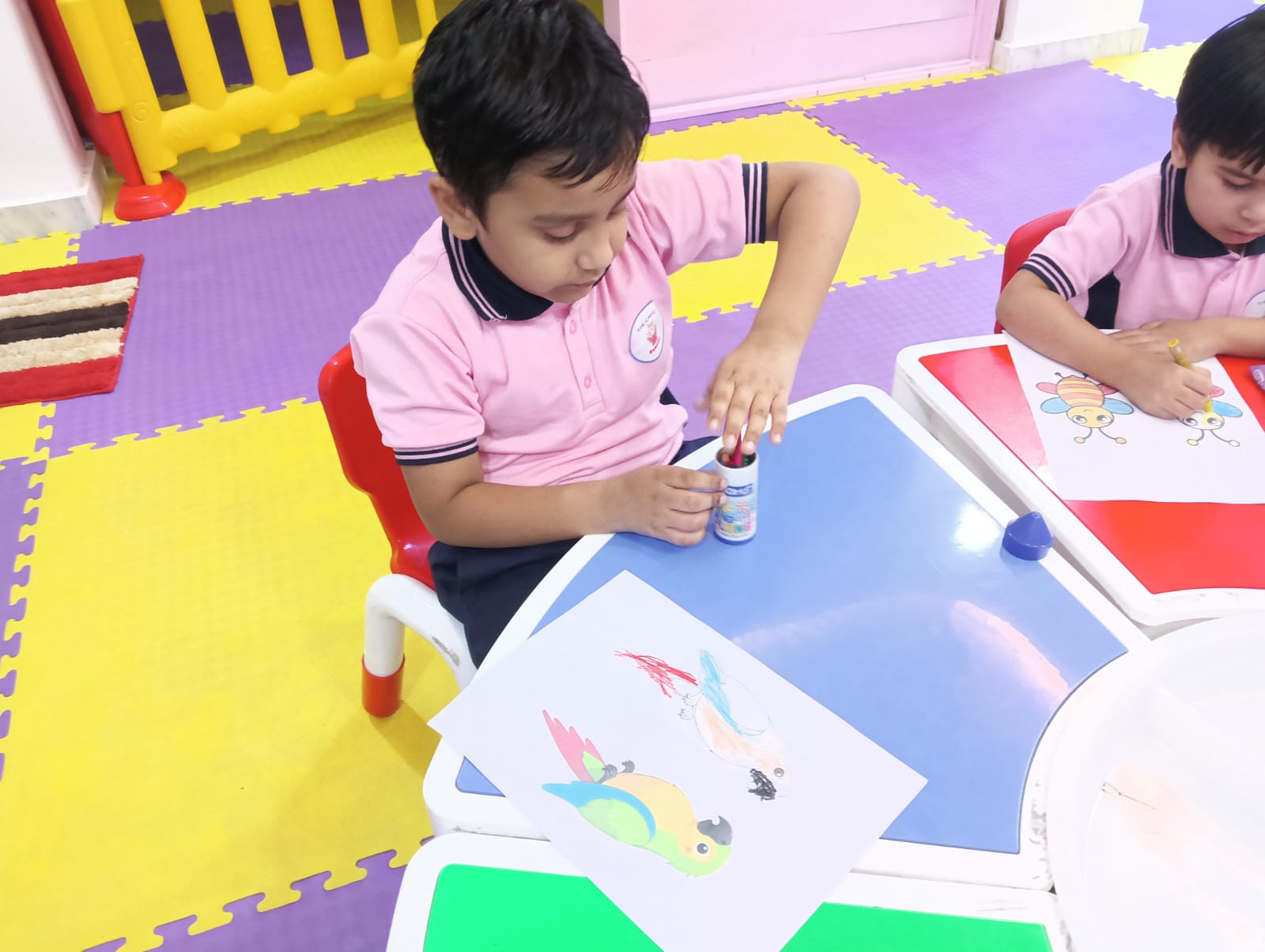
Ten years ago many preschools leaned toward either structured preschool academics or open play. Now the majority of evidence-informed programs blend play-based learning with intentional, teacher-guided moments to support literacy, math, and language. The focus is on scaffolding learning within meaningful activities rather than rote drills.
2) Social-emotional development and self-regulation
Preschool curriculum changes elevated social-emotional learning (SEL) as a core outcome. SEL curricula, circle-time strategies, and classroom routines for co-regulation are now routine elements in many programs, because early self-regulation predicts later academic and life outcomes.
3) Assessment: from one-time tests to formative checks
Assessment shifted from snapshot evaluations to ongoing, formative observation and learning trajectories. Programs increasingly use observational tools and learning progressions to inform instruction while avoiding inappropriate standardized testing for very young children.
4) Equity, inclusion, and cultural responsiveness
Curricula now include culturally responsive materials, multilingual support, and family-centered practices. Standards bodies and funders pressed programs to address access and adapt content to diverse communities.
5) Technology and media use
Use of educational apps and classroom technology increased, but guidance emphasizes limited, purposeful use aligned with developmental goals rather than passive screen time.
Frameworks, standards, and models shaping the change
Named frameworks that guided these changes include Developmentally Appropriate Practice (DAP) from the National Association for the Education of Young Children and curriculum models such as HighScope and Reggio Emilia approaches. State pre-K standards and Head Start Program Performance Standards also influenced alignment and accountability. For guidance on DAP, see the NAEYC site: naeyc.org.
Practical checklist: 5-point Preschool Curriculum Checklist (named tool)
- Play-Integration — Are daily routines structured to include guided play that targets language, math, and problem-solving?
- SEL Supports — Are strategies present to teach emotion identification, turn-taking, and self-regulation?
- Formative Assessment — Are observation notes and learning progressions used to adjust instruction weekly?
- Family & Cultural Connect — Are families involved in planning and are materials culturally relevant and multilingual when needed?
- Intentional Technology Use — If screens are used, are they short, pedagogically directed, and accompanied by adult interaction?
Short real-world example
Scenario: A community preschool shifting from a worksheet-heavy model to a blended approach. Teachers reduced isolated letter drills and built a "story-workshop" where children role-played scenes from books. Teachers used a simple observational rubric to track vocabulary growth. Within a term, children showed higher engagement and improved expressive language on formative checks, while teachers still instituted short, explicit phonological play sessions twice weekly.
Practical tips for adapting curriculum now
- Use a learning progression: map expected skills across ages 3–5 and collect brief observational notes rather than relying on one-off tests.
- Make play intentional: design play stations with clear learning goals (e.g., construction area for spatial language and measurement talk).
- Prioritize routines that teach SEL: visual schedules, emotion-coaching scripts, and brief co-regulation strategies after transitions.
- Engage families: collect home language and cultural assets and invite family-led activities to connect classroom content to children’s lives.
Trade-offs and common mistakes when updating a preschool curriculum
Trade-offs
Balancing free play and targeted instruction is the central trade-off. Too much structure reduces exploratory learning; too little can leave gaps in foundational skills. Programs must choose where to apply intentional teaching moments while preserving child-led discovery.
Common mistakes
- Implementing academic tasks designed for older children rather than developmentally appropriate activities.
- Over-relying on digital tools without adult mediation.
- Using assessments to rank rather than inform instruction and family conversations.
Core cluster questions
- How does play-based learning improve early literacy?
- What are effective formative assessment methods for preschool?
- How to balance social-emotional learning with academic readiness goals?
- What role do families play in shaping preschool curriculum?
- Which curriculum models align best with culturally responsive teaching?
Resources and credibility
Standards bodies such as the National Association for the Education of Young Children (NAEYC) and the U.S. Department of Health & Human Services/Head Start provide guidance on developmentally appropriate practice and program standards. Refer to those organizations when designing or auditing curriculum plans.
Closing: what to do next
Conduct a quick curriculum audit using the 5-point Preschool Curriculum Checklist, prioritize one or two practical changes (for example, adding a weekly guided-play literacy slot and an SEL routine), and collect formative notes for six weeks to observe impact. Iterate based on observed child engagement and learning progressions.
FAQ: What counts as preschool curriculum changes?
Preschool curriculum changes refer to shifts in instructional priorities, assessment methods, classroom routines, inclusion practices, and the integration of play and structured learning to support developmentally appropriate outcomes.
FAQ: How can teachers measure progress without standardized tests?
Use brief observational checklists, learning stories, work samples, and progress-monitoring grids mapped to age-based learning goals. The focus should be on growth and next steps rather than comparative scores.
FAQ: Are play-based methods evidence-based compared with direct instruction?
Research supports play-based, teacher-guided activities for building language, problem-solving, and self-regulation. Best practice blends play with brief, targeted instruction for specific skills.
FAQ: How quickly do programs show results after making preschool curriculum changes?
Some gains in engagement and language use can appear within weeks; measurable skill gains often take a full term of consistent practice and formative observation.
FAQ: preschool curriculum changes — what should a director prioritize first?
Prioritize social-emotional supports and a simple formative assessment routine that informs weekly planning. These two items tend to improve classroom climate and give teachers actionable data for instruction.