Radio Frequency Therapy Explained: Safe, Effective Skin Tightening for Youthful Skin
-

- March 08th, 2026
- 686 views

FREE SEO Topical Map Generator: Find Your Next Content Ideas
The science-backed option increasingly chosen for non-surgical facial rejuvenation is radio frequency therapy, a skin-tightening treatment that stimulates collagen remodeling using controlled thermal energy. Detected intent: Informational
Radio frequency therapy: what it is and how it works
Definition and basic mechanism
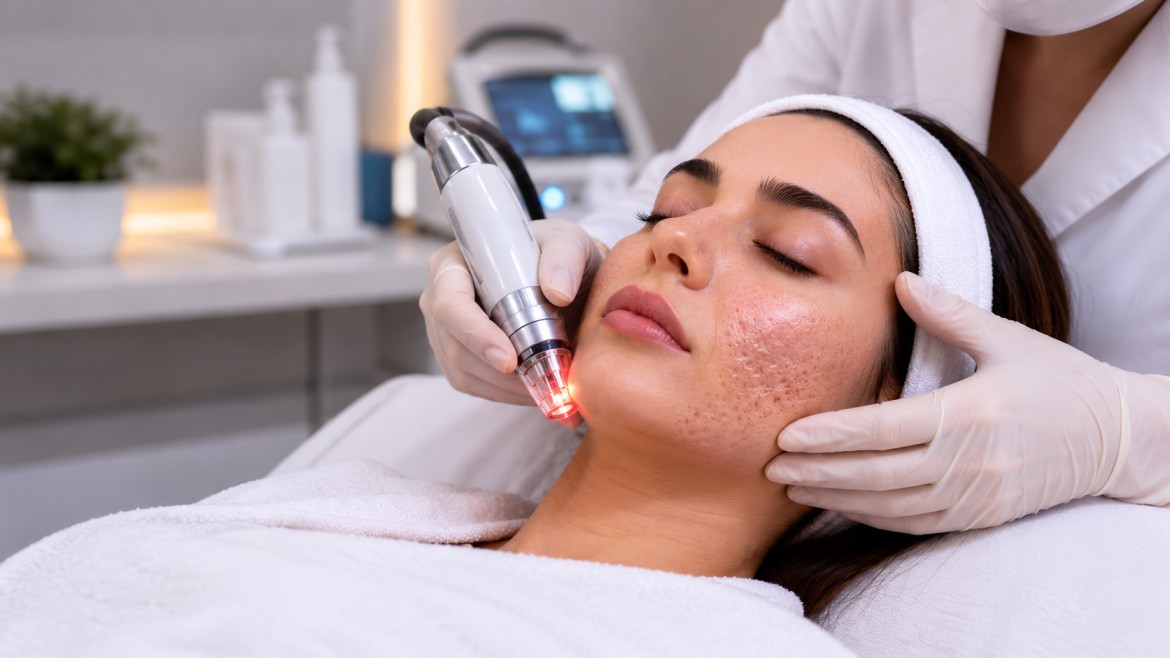
Radio frequency therapy is a category of energy-based dermatology procedures that deliver radiofrequency (RF) electromagnetic waves into the dermis and subdermal tissues. The energy converts to heat, raising tissue temperature enough to contract collagen fibers and activate fibroblasts to make new collagen and elastin. That controlled thermal remodeling leads to firmer skin and reduced laxity over weeks to months.
Common device types and terms
Devices vary by delivery method: monopolar, bipolar, and fractional RF; some combine RF with microneedling or optical energy. Related terms include RF skin tightening, fractional radiofrequency, and microfocused RF. Understanding the device class clarifies depth, comfort, and downtime expectations.
Who benefits from RF skin tightening and what to expect
Candidates and realistic results
Ideal candidates are adults with mild-to-moderate skin laxity, early jowls, crepey neck skin, or loss of cheek definition. RF treatments work best on people with good skin quality but reduced elasticity. Results are gradual: visible improvement typically appears 4–12 weeks after treatment and can continue improving for up to 6 months. Maintenance sessions every 6–18 months are common.
Typical treatment plan and downtime
Most protocols use 3 sessions spaced 3–6 weeks apart. Sessions last 20–60 minutes depending on area. Expect temporary redness and warmth for a few hours; rare swelling or bruising can last several days. Compared with surgery, downtime is minimal.
Safety, risks, and regulation
Evidence and regulatory context
RF devices are widely studied for skin tightening and body contouring. Safety depends on operator training, device settings, and patient selection. Regulatory oversight for energy-based devices is handled by medical device authorities; for more background on device classification and safety considerations, see the FDA guidance on lasers and energy-based devices (link below).
FDA: Lasers and energy-based devices
Common risks and contraindications
Common side effects include transient redness, tenderness, and mild swelling. Less common risks include burns, pigment changes, and infection. Contraindications include active skin infections, certain implanted electrical devices, and uncontrolled medical conditions—disclose medications and medical history at consultation.
RADIO checklist for a safe treatment decision
Use the RADIO checklist before booking or undergoing a session:
- Review goals: Confirm desired outcomes are realistic for RF (tightening, not dramatic lifting).
- Assess skin: Check laxity, thickness, and any pigmentary concerns; consider test spots for darker skin types.
- Discuss risks: Go over side effects, downtime, and contraindications with the clinician.
- Identify device & settings: Ask about device type (monopolar/bipolar/fractional), number of passes, and energy levels planned.
- Obtain aftercare plan: Confirm post-treatment steps, sun protection, and follow-up schedule.
Practical tips for better outcomes
- Choose a clinician trained in the specific RF device being used; technique and experience affect safety and results.
- Follow pre- and post-care instructions: avoid active exfoliation and strong topical retinoids for 3–7 days pre- and post-treatment if recommended.
- Use broad-spectrum sunscreen daily after treatment to reduce risk of pigmentary changes and support healing.
- Manage expectations: RF improves texture and firmness, but results are more subtle than surgery; combine treatments (e.g., RF + injectables) only after professional guidance.
Trade-offs and common mistakes
Trade-offs to consider: RF offers less dramatic lift than facelift surgery but with much lower risk and downtime. Over-treating with excessive energy or too frequent sessions increases burn risk without proportional benefits. Common mistakes include failing to match device depth to the treatment area, skipping a full medical history, and expecting instant, surgical-level results.
Real-world example: a short scenario
Case: A 48-year-old with early jowling and mild neck laxity opts for fractional RF. After a consult using the RADIO checklist, the clinician schedules three sessions at 4-week intervals. Mild redness and tightness follow each session; improvement is noticeable at 8 weeks and more defined at 4 months with firmer jawline and smoother neck. Maintenance is planned at 12 months. The patient avoids vigorous sun exposure during recovery and uses sunscreen daily.
Core cluster questions for internal linking and content expansion
- How many RF sessions are usually needed for noticeable skin tightening?
- What are differences between monopolar and bipolar radiofrequency devices?
- Can radiofrequency therapy be combined with microneedling or lasers?
- What precautions should darker skin tones take with RF treatments?
- How long do RF results typically last and when should maintenance be scheduled?
FAQ
How does radio frequency therapy compare to non-surgical skin tightening with ultrasound?
Both RF and microfocused ultrasound stimulate collagen but use different energy types and penetration patterns. Ultrasound can target deeper layers (e.g., SMAS) for more lifting in some hands, while RF is versatile across skin thicknesses and often produces faster repeatable sessions with less discomfort. Choice depends on goals, anatomy, and clinician assessment.
Is radio frequency therapy painful and what is the recovery like?
Most patients feel a warming or tingling during treatment; topical numbing may be used for comfort with microneedling-RF combos. Recovery is typically short: redness and mild swelling for hours to a few days, with rare prolonged downtime.
Does radio frequency therapy work for all skin types and tones?
RF energy is generally safe for a range of skin tones because it targets heat rather than visible light, reducing pigment risk compared with some lasers. However, darker skin tones still require conservative settings and experienced operators to minimize post-inflammatory hyperpigmentation.
What results can be expected from radio frequency therapy?
Expect gradual tightening and improved texture rather than instant dramatic lifting. Many patients see noticeable firming after a series of treatments, with peak results at 3–6 months and maintenance sessions suggested every 6–18 months.
Is radio frequency therapy suitable for treating cellulite or body laxity?
Yes. Several RF devices are cleared for body areas and can reduce mild-to-moderate cellulite or laxity by heating subcutaneous tissues and stimulating collagen remodeling. Results vary by device, treatment depth, and individual factors.
Related terms and synonyms used: RF, radiofrequency, RF skin tightening benefits, fractional radiofrequency, non-surgical skin tightening, collagen remodeling, monopolar, bipolar, microneedling.