Large Pore Treatment in Riyadh: Clinic Options, At-Home Essentials, and Costs
-

- Published Updated
- 702 views
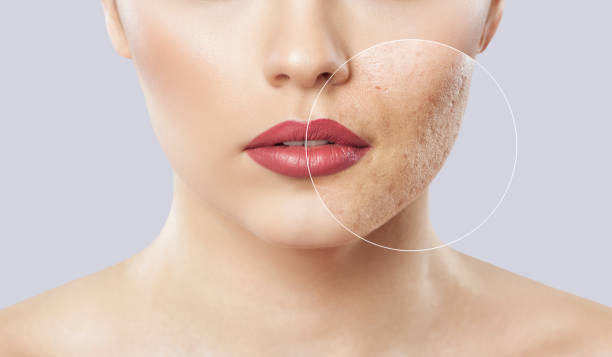
Large pore treatment in Riyadh: what to expect and how to choose
Large pore treatment in Riyadh covers a spectrum of clinic procedures and daily skincare steps that reduce pore appearance, control oil, and improve skin texture. This guide explains treatment types, realistic outcomes, costs, and how to build a safe, effective plan whether visiting a dermatologist or managing pores at home.
Core actions: professional assessment, targeted clinic procedures (chemical peels, microneedling, laser), and a consistent at-home routine with oil-control and gentle exfoliation. Expect gradual improvement, not instant pore elimination.
Detected intent: Informational
Why pores look large and how treatments work
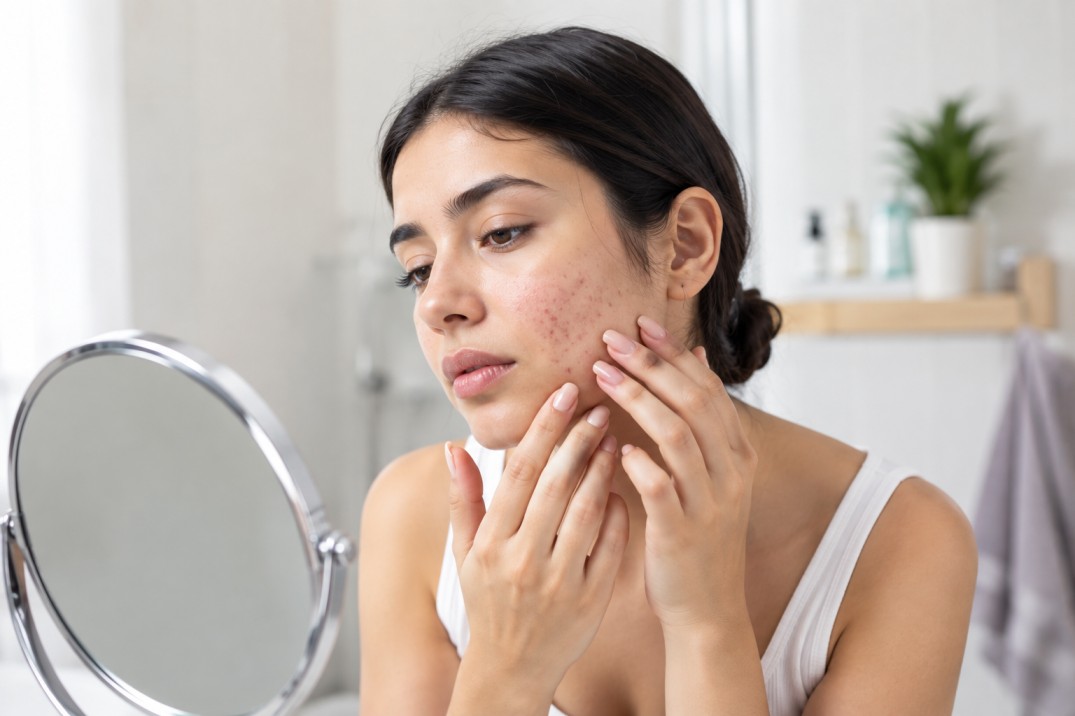
Pore size is influenced by genetics, sebum production, sun damage, loss of skin elasticity, and hair follicle blockage. Treatments do one or more of the following: reduce oil (sebum), unclog and shrink follicular openings, stimulate collagen to tighten skin, and resurface the epidermis to smooth texture. Common terms to know include comedones, sebaceous glands, retinoids, salicylic acid, chemical peel, microneedling, and laser resurfacing.
Treatment categories and when to pick each
Choose options based on skin type, downtime tolerance, and budget. Dermatologist evaluation is recommended, especially for darker skin tones where some lasers and peels carry higher risk of pigmentation changes.
Clinic procedures (in-office)
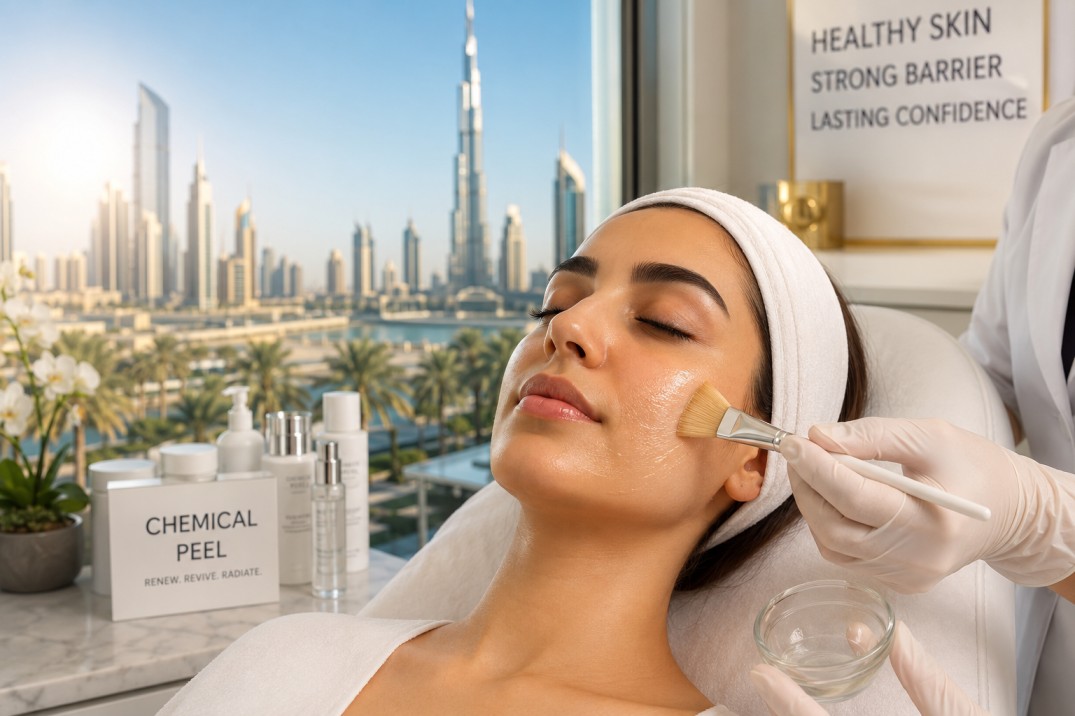
- Superficial to medium chemical peels: control oil, unclog pores, improve texture.
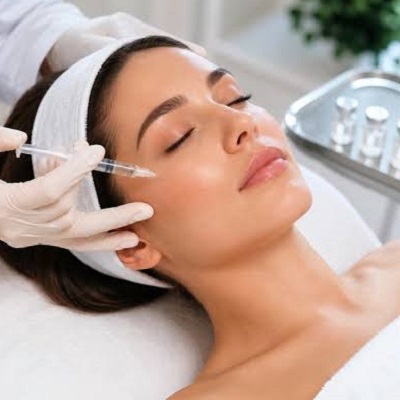
- Microneedling (with or without radiofrequency): stimulates collagen to tighten pore openings.
- Fractional lasers and non-ablative resurfacing: remodel dermal collagen and improve pore contour.
- HydraFacial / medical extractions: immediate unclogging and short-term smoothing.
Topical and at-home approaches
- Routine exfoliation: salicylic acid (BHA) is oil-soluble and effective for pore clearing.
- Retinoids (adapalene or tretinoin): reduce comedones and stimulate collagen over months.
- Oil-control moisturizers and non-comedogenic sunscreens protect barrier without clogging pores.
P.O.R.E.S. checklist for treatment planning
Use this simple framework to evaluate any plan before starting:
- Professional consult: Confirm skin type and rule out active acne or rosacea.
- Oil control: Add BHA and lightweight moisturizers as needed.
- Retinoid strategy: Begin low concentration and titrate up to tolerable level.
- Exfoliation schedule: Alternate chemical exfoliant with gentle cleansers; avoid over-exfoliation.
- Sun protection: Daily SPF to prevent photodamage that enlarges pores.
Costs, timing, and expected results in Riyadh
Minor in-office procedures can show visible improvement in weeks, but meaningful collagen remodeling takes 2–6 months. Costs vary by clinic and procedure type. Non-invasive sessions (peels, hydrafacial) are lower cost with repeated sessions; lasers and RF microneedling require fewer treatments but cost more. Always confirm credentials and ask to see before-and-after examples from the treating clinician.
Real-world example
A 30-year-old individual in Riyadh with oily skin and visible pores on the nose started a plan: dermatology consult → 4 sessions of superficial chemical peels spaced 3 weeks apart → nightly adapalene 0.1% and twice-weekly salicylic acid cleanser. After 3 months, the skin showed refined texture, reduced blackheads, and smaller-appearing pores; sunscreen was continued daily to maintain results.
Practical tips for Riyadh's climate
- Use lightweight, oil-free formulations during hot months to prevent pore-clogging.
- Stick to daily SPF even indoors to protect against sun-induced loss of elasticity.
- Introduce active ingredients one at a time and monitor for irritation in dry indoor-air conditions.
- Schedule more intensive procedures in cooler seasons if post-procedure sun avoidance is required.
Common mistakes and trade-offs
Trade-offs exist between speed and safety. Aggressive peels or inappropriate lasers can cause pigment changes or scarring, especially for darker skin tones. Over-exfoliation or mixing strong actives without guidance often leads to barrier damage and rebound oiliness. Choosing a clinician with dermatology training or certified laser experience reduces risk.
Common mistakes
- Expecting complete pore removal — realistic goal is reduced appearance, not elimination.
- Using harsh scrubs that tear skin; prefer chemical exfoliants at correct concentrations.
- Skipping SPF after resurfacing procedures—this increases risk of pigmentation.
Core cluster questions
- What are the safest clinic procedures for reducing pore size on oily skin?
- How long does it take to see improvement after microneedling for pores?
- Which topical ingredients best prevent clogged pores and reduce oiliness?
- How to choose a certified dermatologist or clinic for laser treatments in Riyadh?
- What maintenance routine keeps pores from re-enlarging after treatment?
Evidence and authority
For general skin-care guidance and evidence-based recommendations on acne and pore-related conditions, refer to resources from recognized dermatology organizations. For a reliable overview of dermatologic treatments and safety considerations, see the American Academy of Dermatology: American Academy of Dermatology.
Practical next steps
1) Book a dermatology consultation for personalized assessment. 2) Start a conservative at-home routine focused on salicylic acid and a retinoid. 3) If considering in-office procedures, request a patch test and recovery timeline from the clinic.
FAQ: How can one find the best large pore treatment in Riyadh?
Look for clinics with licensed dermatologists or board-certified physicians, read verified patient reviews, ask about device models and physician experience, and request a clear treatment plan including expected sessions and downtime.
FAQ: How long before pores look smaller after professional treatment?
Initial smoothing can occur within days after exfoliating procedures, but collagen-driven tightening typically appears over 8–12 weeks after microneedling or laser therapy. Multiple sessions often deliver the best improvement.
FAQ: Are chemical peels safe for darker skin tones?
Chemical peels can be safe when selected and applied by an experienced clinician. Superficial peels (like low-concentration glycolic or salicylic) are usually safer, while deeper peels carry higher pigment-change risk and require specialist assessment.
FAQ: What daily products help reduce pore appearance?
Use a salicylic acid cleanser or leave-on BHA, a low-strength topical retinoid (introduced gradually), non-comedogenic moisturizers, and daily broad-spectrum sunscreen. Avoid heavy oils or occlusive creams that can enlarge pore appearance.
FAQ: Can lifestyle changes reduce pores?
Yes. Regular cleansing to remove sweat and oil, sun protection, not smoking, and a balanced diet support skin health. However, genetics and prior sun damage limit the degree of change achievable without professional treatment.