Veneers Cost in Dubai: Complete Guide to Prices, Types, and What Affects Your Quote
-

- Published Updated
- 825 views
Considering a smile upgrade? This guide breaks down veneers cost in Dubai with clear price ranges, the factors that change a quote, and a practical checklist to get an accurate estimate. The goal: know what to expect, avoid common mistakes, and compare options confidently.
- Typical veneers cost in Dubai ranges widely depending on material and clinic — expect a per-tooth range described below.
- Porcelain (ceramic) veneers cost more than composite but last longer and stain less.
- Key cost drivers: material, lab fees, dentist experience, preparatory treatments, and location of the clinic.
- Use the SMILE checklist (Scope, Material, Lab, Insurance, Extras) to collect comparable quotes.
Detected intent: Informational
veneers cost in Dubai: average prices and what influences them
Expect a wide range when researching veneers cost in Dubai. Typical market brackets per tooth are:
- Composite veneers: AED 700–1,500 per tooth (lower initial cost; shorter lifespan).
- Porcelain veneers: AED 2,500–6,000+ per tooth (higher-quality ceramic, more durable).
- Premium or specialist clinics: prices can exceed AED 7,000 per tooth for top-tier lab work and celebrity-level cosmetic design.
These figures are estimates to set expectations. Individual quotes vary with diagnostics, imaging, and additional dentistry such as root canals, gum recontouring, or orthodontic alignment.
What affects the final price?
Material and technique
Porcelain/ceramic veneers require lab fabrication and often cost 2–4x more than direct composite veneers placed chairside. Different ceramic systems (e.g., lithium disilicate versus layered porcelain) and digital smile design add to cost.
Lab and fabrication quality
Custom lab work, color matching, and hand-layered ceramics increase the fee. Local vs international lab workflows also change turnaround times and price.
Clinician expertise and location
Board-certified prosthodontists or cosmetic specialists typically charge more. Clinics in Dubai Marina or Downtown Dubai often have higher overhead than suburban clinics.
Preparatory and follow-up care
Costs rise if tooth preparation, temporary veneers, root canal treatment, gum work, or follow-up bonding adjustments are required. Ask whether the quote includes temporaries, follow-up visits, and warranty adjustments.
SMILE checklist: a quick framework to compare quotes
Use this named checklist when comparing clinics. SMILE stands for:
- S — Scope: Number of teeth, preparatory work needed, imaging (CBCT, photos).
- M — Material: Composite vs porcelain, type of ceramic, brand if specified.
- I — Lab/Impression: Digital scans, local or international lab, turnaround time.
- L — Longevity & Warranty: Estimated lifespan, maintenance, and guarantee terms.
- E — Extras & Exclusions: Temporaries, anesthesia, follow-ups, x-rays, and any hidden fees.
Real-world example
Scenario: A 32-year-old resident wants a cosmetic improvement for the upper front six teeth. After consultation, the clinic recommends 6 porcelain veneers. Breakdown of costs in this example:
- Consultation and digital smile design: AED 500–1,200
- 6 porcelain veneers at AED 3,500 per tooth: AED 21,000
- Temporary veneers and follow-ups: AED 1,000–2,000
- Total estimate: AED 22,500–24,200
This scenario assumes no additional restorative work. If orthodontics or gum contouring is required, add those fees.
Dental veneer types: trade-offs and common mistakes
Trade-offs
- Composite veneers: lower cost and reversible in some cases, but stain more and may require replacement in 5–7 years.
- Porcelain veneers: higher upfront cost, superior aesthetics, and durability (10–15+ years with care), but require more tooth preparation.
Common mistakes to avoid
- Choosing solely on price without reviewing before-and-after portfolios and patient reviews.
- Accepting quotes that omit temporaries, follow-ups, or potential preparatory treatments.
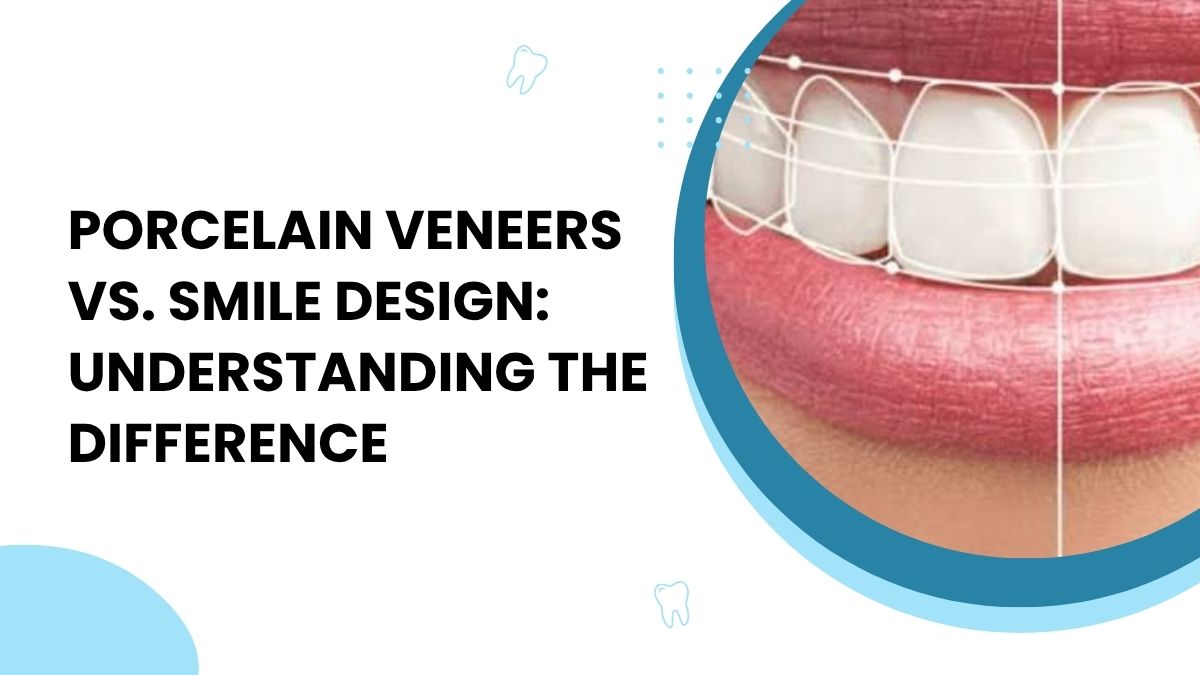
- Skipping a digital smile preview or mock-up — this can lead to unmet expectations.
Practical tips to get an accurate quote
Use these actionable steps when evaluating clinics and estimates:
- Request a full written treatment plan with itemized costs: materials, lab fees, temporaries, follow-ups, and warranty terms.
- Ask for the clinic’s portfolio and specific cases similar to the desired outcome; request contactable patient references when possible.
- Prefer clinics that use digital scans (intraoral scanners) — this reduces remake risk and often gives clearer pricing for lab work.
- Confirm whether maintenance (polishing, minor repairs) is included during the first year and what conditions void the warranty.
Core cluster questions for further research
- How long do porcelain veneers typically last in Dubai?
- What is the difference between composite and porcelain veneers?
- How to choose a cosmetic dentist for veneers in Dubai?
- What preparatory dental work may be needed before veneers?
- Are temporary veneers included in standard treatment plans?
Where to verify clinical guidance
For patient-focused, evidence-based information about veneers and general dental care, refer to a recognized dental authority such as the American Dental Association's patient resources: MouthHealthy (ADA) — Veneers. This external resource explains materials, procedure basics, and maintenance considerations.
How to budget and decide
Match budget with goals: choose composite if short-term cosmetic improvement and lower cost are priorities; pick high-quality porcelain when longevity and premium aesthetics are the main goals. Factor in frequency of travel for appointments, any planned orthodontic work, and whether insurance or employer benefits might cover part of the cost.
FAQ: How much do veneers cost in Dubai?
Veneers cost in Dubai varies widely: expect AED 700–1,500 for composite and AED 2,500–6,000+ for porcelain per tooth, with premiums for specialist clinics and custom lab work. Always confirm what is included in any quoted price.
Are porcelain veneers worth the extra cost?
Porcelain veneers typically deliver better stain resistance, durability, and a more lifelike appearance than composite. For a long-term smile makeover, porcelain is often cost-effective despite the higher upfront investment.
How long do veneers last?
Composite veneers: usually 5–7 years. Porcelain veneers: commonly 10–15 years or longer with good oral hygiene and regular dental check-ups. Lifespan depends on habits, occlusion (bite), and maintenance.
Can dental insurance cover veneers in Dubai?
Coverage depends on the plan and reason for treatment. Cosmetic procedures are often excluded; restorative work due to trauma or decay may be covered. Request written confirmation from the insurer before proceeding.
How to compare clinic quotes effectively?
Use the SMILE checklist: compare scope, materials, lab details, warranties, and extras. Ask for itemized written plans, view comparable case photos, and confirm how many visits and what follow-up care are included.