Where to Taste Spaghetti Pescatore in Viechtach: A Practical Guide to Seafood & Pasta Harmony
-
- March 03rd, 2026
- 271 views

Get a free topical map and start building content authority today.
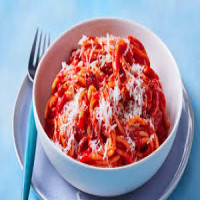
Spaghetti Pescatore in Viechtach is an approachable way to enjoy seafood pasta in a Bavarian setting. This guide explains what the dish is, where to find authentic versions around Viechtach, and how to reproduce balanced seafood-and-pasta harmony at home.
This article covers: a clear definition of Spaghetti Pescatore, local sourcing tips for Viechtach, a named FISH-Cook checklist for preparation, a short real-world scenario, practical tips, trade-offs and common mistakes, and five core cluster questions for further reading.
Detected intent: Informational
What is Spaghetti Pescatore in Viechtach — dish definition and context
Spaghetti Pescatore (literally "fisherman's spaghetti") is a seafood pasta that combines al dente pasta with a mix of shellfish and/or firm-fleshed fish, olive oil, garlic, and either a light tomato base or a simple white-wine-and-broth sauce. In Viechtach, a small Bavarian town, the dish appears on menus where chefs aim to balance Mediterranean technique with locally sourced ingredients.
Where to find authentic seafood pasta near Viechtach
Look for restaurants and bistros that list fresh mussels, clams, prawns, or a daily catch; establishments that describe a light sauce (olive oil, garlic, wine, fresh herbs) are likely to offer a closer-to-authentic Spaghetti Pescatore than heavy cream-based variants. Local fishmongers and weekly markets in the Regen district can supply the seafood components, and pairing the dish with a crisp white wine or mineral water highlights its coastal roots.
FISH-Cook checklist: a named framework for making Spaghetti Pescatore
Use the FISH-Cook checklist to keep the dish balanced and repeatable.
- Freshness — Verify the seafood is fresh and smell-neutral; shellfish should be closed or close when tapped.
- Ingredients — Olive oil, garlic, parsley, white wine, optional tomato concassé, and good-quality spaghetti or linguine.
- Sauce technique — Choose light tomato or wine-and-broth; finish with a touch of pasta water for silkiness.
- Heat & timing — Cook seafood quickly over high heat; combine with pasta off the direct heat to avoid overcooking.
Practical, step-by-step cooking outline
Basic method
Bring salted water to a boil and cook spaghetti to one minute shy of al dente. Sauté garlic in olive oil, add shellfish and high-heat-seared fish pieces, splash in white wine and reduce, then add tomato if using. Toss drained pasta with the sauce, add reserved pasta water to bind, finish with chopped parsley and a drizzle of olive oil.
Real-world example: ordering or cooking while in Viechtach
Scenario: For a weekend dinner in Viechtach, choose a small local restaurant with a short menu. Ask whether the seafood is delivered fresh that day. If cooking at home, visit the nearest market in the morning, pick mussels and a handful of prawns, and use the FISH-Cook checklist to guide timing. The result should be a transparent, balanced plate that highlights the seafood rather than masking it with heavy sauce.
Practical tips for the best result
- Salt pasta water well—this is the primary seasoning for the pasta itself.
- Reserve at least 1 cup of pasta water to adjust sauce consistency and help it cling to spaghetti.
- Cook shellfish and delicate fish separately from firm fish to control doneness.
- Use bright acid (lemon or a small splash of white wine vinegar) at the end to lift flavors.
Trade-offs and common mistakes
Trade-offs to consider
Choosing fully authentic Mediterranean ingredients (e.g., wild prawns) may increase cost and reduce local availability in Viechtach; frozen seafood is often a practical, high-quality alternative if thawed carefully. A tomato-based version emphasizes umami and body, while a wine-and-broth sauce preserves the pure taste of seafood—pick based on preference and the seafood types available.
Common mistakes
- Overcooking seafood: makes it rubbery—cook shellfish until just open and fish until opaque.
- Using too much tomato or cream: masks delicate seafood flavors.
- Skipping pasta water: leads to a thin, separate sauce rather than a cohesive dish.
Seafood safety and sourcing note
When sourcing seafood, follow established handling guidance to reduce risk: keep seafood cold, use reputable vendors, and consume shellfish that are live or properly stored. For official best-practice references on fishery and seafood safety guidance, consult the Food and Agriculture Organization of the United Nations: FAO — Fisheries and Aquaculture.
Core cluster questions
- How is authentic Spaghetti Pescatore different from other seafood pastas?
- What seafood types work best in a light tomato sauce?
- How to time cooking multiple seafood items so nothing overcooks?
- Where to buy fresh shellfish near small Bavarian towns like Viechtach?
- What wine pairs well with Spaghetti Pescatore?
Quick checklist before serving
- Seafood is fully cooked but not overdone.
- Pasta is al dente and properly salted.
- Sauce binds to pasta with reserved pasta water.
- Final taste balance: salt, acid, and fresh herbs.
Further reading and local exploration
Sampling Spaghetti Pescatore in Viechtach is best done by seeking restaurants that emphasize fresh catch and simple technique. For cooks, the FISH-Cook checklist reduces guesswork. Local food markets and fishmongers can be sources of high-quality ingredients—ask about the catch date and handling.
FAQ
Where can I find authentic Spaghetti Pescatore in Viechtach?
Look for small restaurants and seasonal menus that list specific seafood (mussels, clams, prawns, fresh fish). Ask whether the kitchen receives fresh deliveries and whether the sauce is light (olive oil, garlic, white wine or fresh tomato).
Is Spaghetti Pescatore in Viechtach usually tomato-based or wine-based?
Both versions are common. A tomato base adds body and acidity; a wine-and-broth base highlights cleaner seafood flavors. Choice often depends on the chef's style and available seafood.
How should leftover Spaghetti Pescatore be stored and reheated?
Store leftovers in an airtight container in the refrigerator and consume within 1–2 days. Reheat gently in a skillet with a splash of water or wine to loosen the sauce; avoid high heat to prevent rubbery seafood.
Spaghetti Pescatore in Viechtach — can it be made with frozen seafood?
High-quality frozen seafood can work well if fully thawed in the refrigerator and patted dry before cooking. Frozen items are often flash-frozen at peak freshness and can be a reliable substitute when fresh local catch is limited.
What are quick pairing suggestions for this dish?
Choose a crisp, unoaked white wine (Pinot Grigio, Vermentino, or a dry Riesling) or a light-bodied rosé. For non-alcoholic pairings, mineral water with a lemon wedge complements the dish's brightness.