Real Liposuction Results in Dubai: Patient Success Stories & What They Reveal
-

- March 02nd, 2026
- 610 views
Many prospective patients search for credible evidence of liposuction results in Dubai before booking a consultation. This guide summarizes verified success stories, explains typical outcomes, and gives practical steps to evaluate clinics and set realistic expectations.
- Real-world liposuction results often depend on patient selection, surgeon skill, and post-op care.
- Success stories in Dubai commonly report improved contour, clothes fit, and boosted confidence—not guaranteed weight loss.
- Use the LIPO-SAFE checklist to evaluate clinics and prepare for surgery.
Detected intent: Informational
Liposuction results in Dubai
Reported liposuction outcomes in Dubai align with international standards: targeted fat reduction, body contour improvement, and a predictable recovery timeline when procedures are performed by board-certified specialists. Results vary by technique—tumescent, ultrasound-assisted, or laser-assisted liposuction—and by patient factors such as skin elasticity and baseline weight.
What counts as a "success story"?
Definitions and measurable outcomes
Success stories typically describe measurable and subjective outcomes: reduced localized fat deposits, smoother contours, minimal complications, and patient satisfaction with appearance and function. Objective measures used in clinic reports include circumferential reduction, photographic before-and-after documentation, and monitoring of complications per professional guidelines from industry bodies such as the American Society of Plastic Surgeons (plasticsurgery.org).
Types of procedures and real differences
Common techniques and why they matter
Tumescent liposuction remains a standard for many patients; ultrasound-assisted and power-assisted methods can help with fibrous or large-volume areas. Laser-assisted approaches may claim quicker skin contraction, but outcomes depend more on surgical planning than on marketing labels. Dubai clinics report all these techniques; comparison should focus on case examples and complication rates rather than buzzwords.
Dubai liposuction before and after: example scenario
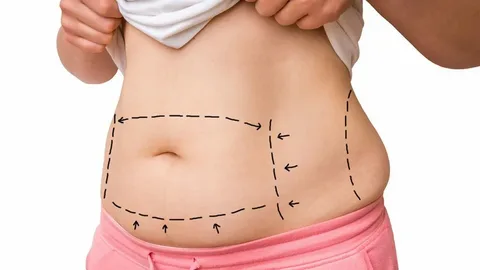
Scenario: A 35-year-old patient with localized flank and lower abdominal fat, stable weight for 2 years, and good skin elasticity underwent tumescent liposuction removing small-to-moderate volumes. Post-op course: compression garments for 6 weeks, graduated return to exercise at 4–6 weeks, and final contour visible by 3–6 months. The patient reported improved clothing fit and high satisfaction; no seroma or infection occurred. This mirrors many published success narratives where patient selection and post-op care were central to a good result.
LIPO-SAFE checklist (named framework)
Use the LIPO-SAFE checklist to assess clinics and plan surgery:
- Licensing: Confirm clinic and surgeon credentials (board certification).
- Informed consent: Expect clear risks, alternatives, and realistic outcomes.
- Photos: Request standardized before-and-after images with timelines.
- Operating room standards: Verify anesthesia and emergency protocols.
- Surgery plan: Clear mapping of target areas and volume estimates.
- Aftercare: Compression, follow-up schedule, and recovery milestones.
- Follow-up results: Long-term follow-up and revision policy.
- Evidence: Ask for references or documented case series (not just selfies).
Practical tips for better outcomes
- Choose a board-certified plastic surgeon and verify experience with the technique planned.
- Prepare to stop smoking and optimize chronic conditions (diabetes control, BMI guidance) weeks before surgery.
- Follow a documented recovery plan: compression garments, progressive activity, and hydration/nutrition to support healing.
- Ask for staged photos showing results at 6 weeks, 3 months, and 6 months to set expectations for final contour.
Trade-offs and common mistakes
What patients often underestimate
Common mistakes include selecting surgery based on price alone, expecting dramatic weight loss, or ignoring recovery requirements. Trade-offs to consider: more aggressive fat removal can increase contour irregularities; therefore, conservative removal with later touch-ups can yield smoother long-term results. Misleading before-and-after images or unverified testimonials are other pitfalls—use the LIPO-SAFE checklist to reduce risk.
Core cluster questions for internal linking
- How long does recovery from liposuction typically take?
- What are realistic expectations for body contouring after liposuction?
- How to compare liposuction techniques (tumescent vs. ultrasound-assisted)?
- What preoperative tests and preparations are needed for lipo?
- When is a revision or secondary liposuction necessary?
FAQ
What can patients expect from liposuction results in Dubai?
Expect targeted fat reduction and improved contour rather than large-scale weight loss. Results generally stabilize by 3–6 months as swelling resolves. Outcomes reflect surgeon skill, patient selection, and adherence to post-op instructions.
How long before liposuction before and after photos show the final result?
Visible improvement often appears within weeks, but final contour usually takes 3–6 months. Some minor changes can continue up to 12 months depending on skin retraction and tissue healing.
Is recovery from liposuction longer in Dubai due to climate or travel?
Climate itself does not extend recovery, but travel-related factors (long flights soon after surgery) can increase risk for swelling and deep vein thrombosis. Follow surgeon guidance on travel timing and compression use.
How to choose between Dubai clinics for best long-term outcomes?
Compare credentials, request standardized before-and-after case series, confirm facility accreditation, and review the clinic's complication and revision policies. Use the LIPO-SAFE checklist as a decision tool.
Are there risks unique to liposuction performed in Dubai?
Risks are consistent with global practice: infection, seroma, contour irregularity, and anesthesia-related events. Verify that the clinic follows international safety standards and has emergency protocols and post-op follow-up in place.