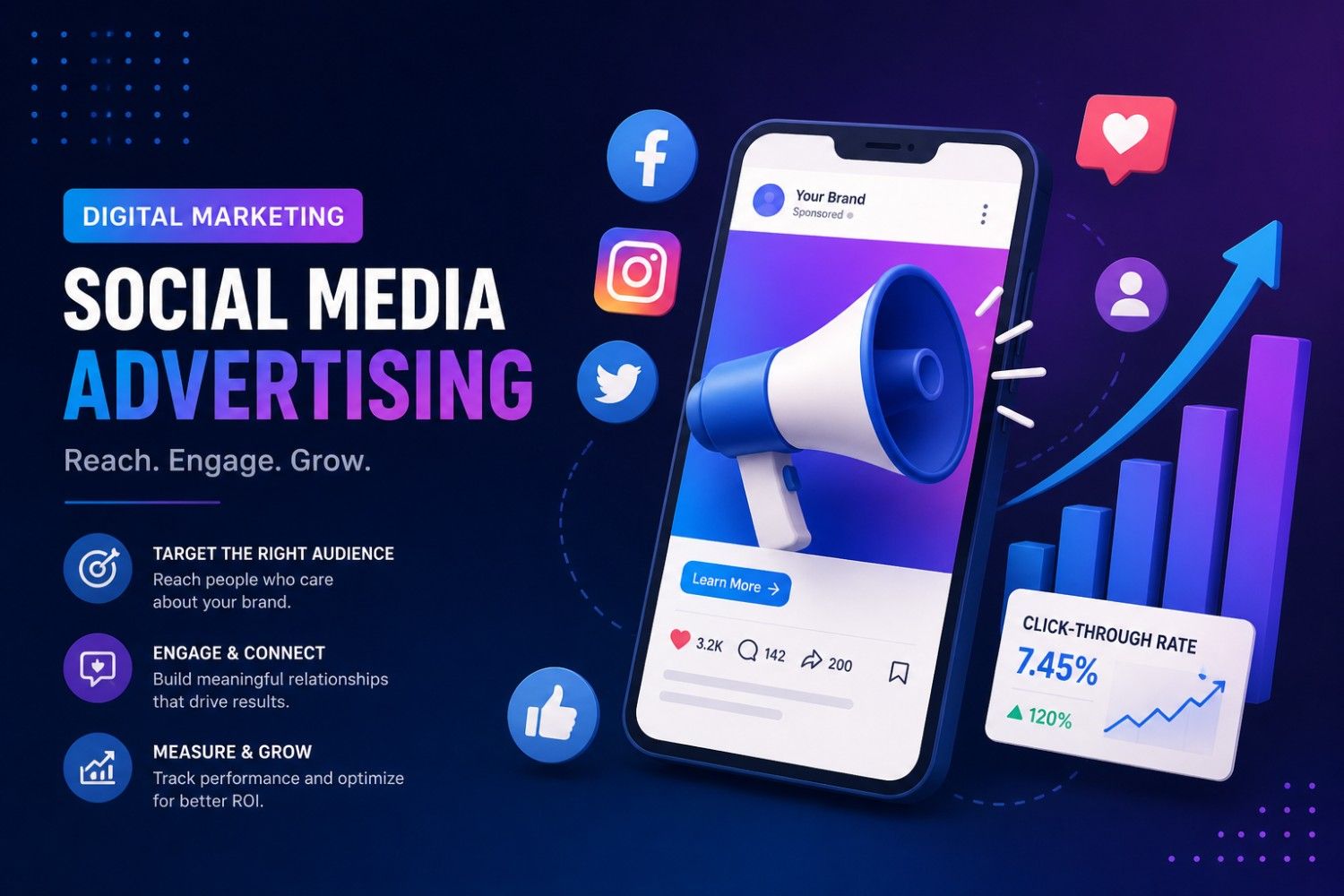
How Online Advertising Platforms Drive Reach: Practical Strategies to Maximize Impact
-

- March 05th, 2026
- 425 views
Online advertising platforms are the backbone of digital promotion—connecting audiences, publishers, and advertisers across search, social, display, and programmatic channels. This guide explains how to use online advertising platforms to maximize ad reach while preserving efficiency and measurement quality.
- Use the R.E.A.C.H. framework to plan campaigns: Research, Experiment, Audience, Creative, Handoff (optimization).
- Combine audience targeting, frequency management, and cross-channel measurement to expand reach without wasting budget.
- Track viewability, conversions, and incremental lift; prioritize privacy-compliant identifiers and server-side signals.
Detected intent: Informational
Why online advertising platforms matter for reach
Online advertising platforms centralize buying, targeting, measurement, and creative delivery. They enable scaling reach through programmatic demand-side platforms (DSPs), social ad managers, and search ad platforms while offering controls for frequency, audience segmentation, and placement quality. Understanding platform features—bidding types (CPC, CPM, CPA), targeting signals, and measurement integrations—is essential to expand reach without inflating costs or reducing relevance.
R.E.A.C.H. framework: A practical model for planning campaigns
Apply the R.E.A.C.H. framework as a checklist to design and scale campaigns across platforms.
- Research — Define audience segments, platform demographics, and average CPM/CPC benchmarks.
- Experiment — Run small A/B tests for creative, calls-to-action, and bidding strategies to identify what scales.
- Audience — Layer intent, demographic, and behavioral signals to broaden reach while preserving relevance.
- Creative — Optimize message lengths, formats, and templates for each channel (video, carousel, responsive display).
- Handoff (optimize) — Move learnings into automated rules, bid strategies, and conversion-based optimization.
How to maximize reach on online advertising platforms
Follow these practical steps for measurable reach expansion across platforms.
1. Start with clear reach goals and KPIs
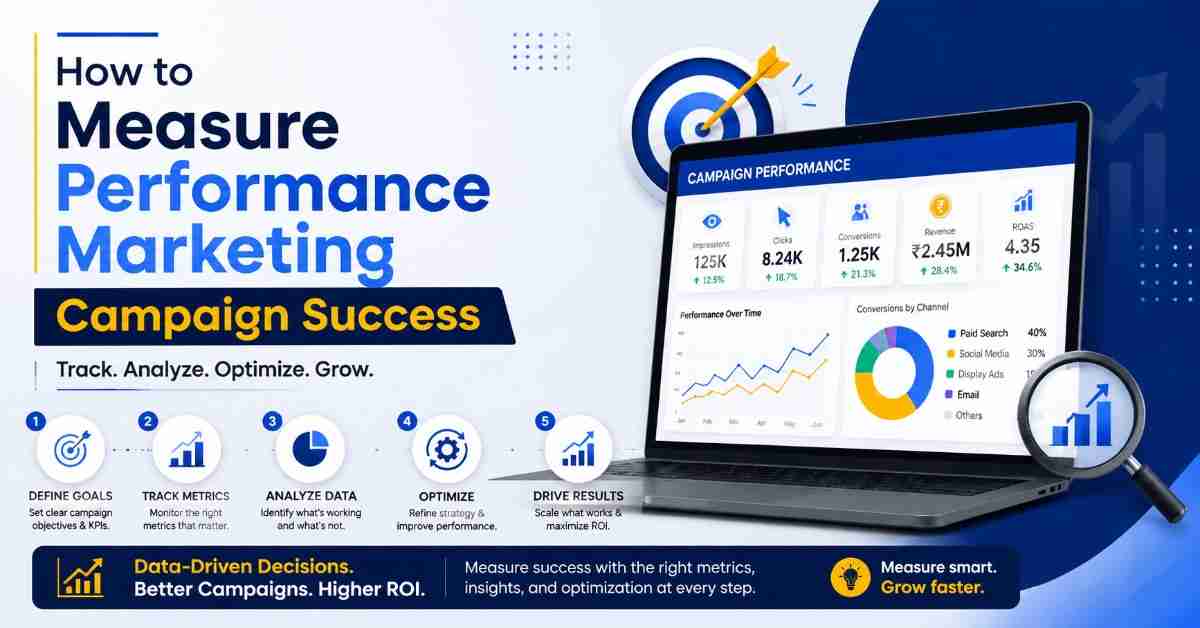
Define whether the goal is unique reach (audience size), frequency (average impressions per person), or share of voice (competitive impression share). Typical KPIs: reach, impressions, reach frequency curve, CPM, viewable CPM, and incremental lift.
2. Build audience strategy and layering
Broaden reach by combining lookalike models with contextual targeting and interest cohorts. Use first-party segments for targeting and retargeting windows to re-engage visitors. Where privacy rules limit identifiers, rely on contextual signals and authenticated audiences.
3. Optimize bidding and budget allocation
Allocate test budgets across platforms, then shift spend to channels showing best incremental reach per dollar. Use bid strategies that optimize for impressions or conversions depending on objective; consider viewability-targeted buys to avoid wasted impressions.
4. Use creative variants and format mix
Deploy multiple creatives per audience and rotate formats—short video for high awareness, display for frequency, and native for contextual fit. Creative testing increases effective reach by reducing ad fatigue.
5. Measure and protect scale with privacy and quality controls
Implement viewability, brand safety, and fraud detection filters. Track measurable events with server-side tagging or conversion APIs to remain resilient as client-side signals decline.
Common mistakes and trade-offs when scaling reach
Scaling reach involves trade-offs. Awareness campaigns value broad reach and frequency, while direct-response campaigns prioritize efficiency and conversion. Typical mistakes:
- Over-indexing on impressions without tracking viewability or conversions — leads to wasted spend.
- Neglecting creative rotation — increases fatigue and reduces effective reach.
- Relying solely on one platform — misses cross-platform audiences and attribution complexity.
Trade-offs to consider
- Reach vs. Relevance: Broader targeting increases scale but may reduce conversion rates; balance with layered signals.
- Cost vs. Quality: Lower CPMs can mean poor placement or non-viewable impressions; prioritize viewable CPM when brand metrics matter.
- Immediate Conversions vs. Long-Term Lift: Performance bidding can limit reach; reserve part of the budget for lift/awareness tests.
Practical tips to improve reach and efficiency
- Use a 70/30 test budget split: 70% to known high-performing channels, 30% to experiments and new inventory.
- Set frequency caps per week per user to avoid overexposure and distribute impressions across more unique users.
- Prioritize viewability and brand-safety filters to increase the value of impressions.
- Integrate server-side conversion tracking or conversion APIs for more accurate measurement when cookies are limited.
Real-world example: Local retailer expanding seasonal reach
A regional retailer used the R.E.A.C.H. framework to expand holiday-season reach. Research identified two high-potential cohorts: urban young professionals and suburban families. A 30-day experiment split budget across search, programmatic display, and social short video. Creative variants were tested for message and format. Result: reach increased 65% with a 20% lower CPM after tuning contextual placements and implementing frequency caps; local store visits tracked via conversion API rose by 12% over baseline.
Core cluster questions
- How do programmatic and direct buys differ in expanding reach?
- What metrics matter most when measuring reach across platforms?
- How to reduce ad fatigue while scaling reach?
- Which audience signals work best for lookalike expansion?
- How to balance reach and conversion in a mixed funnel campaign?
Standards, privacy, and measurement
Follow industry best practices from bodies such as the Interactive Advertising Bureau (IAB) for viewability and ad measurement. Implement privacy-compliant options (consent frameworks, cookieless measurement, and conversion APIs) to keep reach reliable as regulations and browser policies evolve. For best-practice guidance and standards, see the IAB resource center: IAB Guidelines.
Checklist: Ready-to-launch reach campaign
- Goal: Defined reach KPI (unique reach, frequency target, or share of voice).
- Audience segments: First-party + lookalike + contextual lists prepared.
- Creative: 3–5 variants per format, with platform-specific assets.
- Measurement: Viewability tags, conversion API, and attribution windows set.
- Budget plan: 70/30 operational/experimental split, frequency caps, and bidding strategy.
FAQ
What are online advertising platforms and how do they work?
Online advertising platforms are systems that enable buying, targeting, serving, and measuring ads across digital channels. They include search ad systems, social ad managers, and programmatic platforms (DSPs and ad exchanges). Platforms connect advertiser demand with publisher inventory using bids, audience signals, and creative assets to deliver impressions and measure outcomes.
How can measurement keep pace with privacy changes?
Adopt server-side measurement, conversion APIs, and aggregated reporting models. Use first-party data and consented identifiers where possible, and rely on contextual targeting as a privacy-friendly complement to audience signals.
Is programmatic advertising necessary to increase reach?
Programmatic media buys simplify access to large inventory and real-time bidding, making it efficient to scale reach. However, combining programmatic with direct buys (reserved placements), social, and search provides a more balanced cross-channel reach strategy.
How many creative variants should be tested for maximum reach?
Start with 3–5 creative variants per format and rotate them by audience segment. Testing helps identify which messages and formats scale without causing fatigue.
How to measure whether expanded reach improved business outcomes?
Measure incremental lift through controlled experiments (holdouts), track store visits or conversion events through conversion APIs, and analyze long-term value metrics such as retention and lifetime value to confirm reach-driven impact.