How to Choose the Best PRP Hair Treatment for Natural Hair Growth
-
- May 05th, 2026
- 600 views

Get a free topical map and start building content authority today.
The best PRP hair treatment for natural hair growth combines a clear candidacy assessment, a consistent treatment plan, and an experienced clinician. This guide explains what PRP (platelet-rich plasma) does, who benefits, and how to evaluate options so decisions are evidence-informed and practical.
Platelet-rich plasma (PRP) can support hair regrowth for selected types of hair thinning. Evaluate candidate factors, clinic technique, and follow-up frequency. Use the PRP Readiness 5-Point Framework and the checklist below to compare providers and avoid common mistakes.
Detected intent: Commercial Investigation
Best PRP Hair Treatment for Natural Hair Growth: what to expect
How PRP works and what it treats
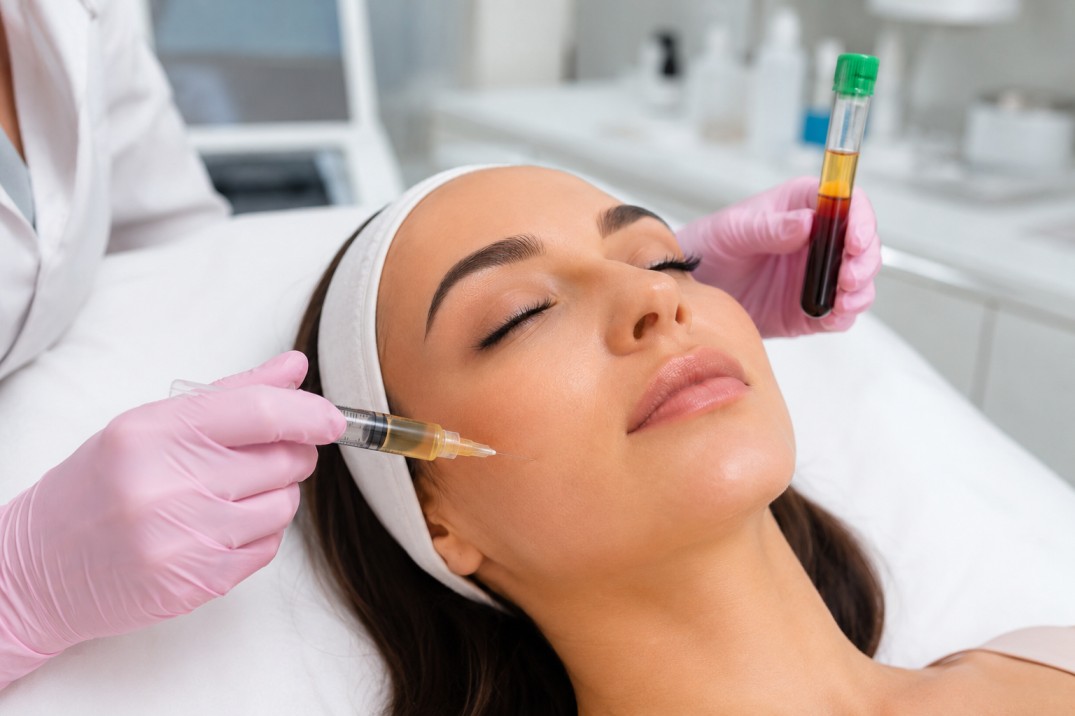
PRP is a concentration of a patient’s own platelets and growth factors derived from their blood. When injected into the scalp, PRP aims to stimulate dormant hair follicles, reduce inflammation, and improve hair shaft thickness. Clinical interest focuses mainly on androgenetic alopecia (pattern hair loss) and some cases of diffuse thinning. For context on hair-loss conditions and professional guidance, consult the American Academy of Dermatology.
Who is a good candidate?
Candidates include people with early-to-moderate pattern thinning, good overall health, and realistic expectations. PRP is less likely to restore a full hairline in long-standing, severe baldness. Factors that improve outcomes: recent thinning rather than long-term bald patches, non-smoker status, and absence of certain blood disorders.
PRP Readiness 5-Point Framework (named model)
- 1) Diagnosis confirmed: scalp exam + rule out medical causes (thyroid, iron deficiency).
- 2) Timing: early/moderate thinning rather than long-standing bald areas.
- 3) Health screen: check medications and clotting profile.
- 4) Technique clarity: centrifuge protocol, platelet concentration, injection depth.
- 5) Follow-up plan: maintenance treatments and growth monitoring.
PRP therapy for thinning hair — procedure overview
Typical visits start with a blood draw, centrifugation to concentrate platelets, then scalp injections. Many clinics combine PRP with microneedling or topical therapies. Initial course often includes 3 monthly sessions, then maintenance every 3–6 months, depending on response.
Platelet-rich plasma hair treatment benefits and evidence
Benefits reported in studies include increased hair density and thickness in selected patients. Evidence varies by protocol; randomized controlled trials show modest improvements versus placebo in some trials. Expect gradual results over 3–6 months and fuller changes after 9–12 months with repeated sessions.
Real-world example
Case scenario: A 34-year-old with early pattern thinning undergoes baseline photos, blood tests (to exclude iron deficiency), and three monthly PRP sessions using a standardized centrifuge protocol. At 6 months, hair density increases and patient reports less breakage. The clinic then schedules maintenance every 4 months while continuing topical minoxidil for combined effect.
Practical tips for choosing and preparing
- Ask about the clinic's centrifuge settings, platelet concentration target, and whether whole blood or double-spin PRP is used.
- Verify the clinician’s training in scalp injections and request before/after photos from similar cases.
- Confirm a medical evaluation first; rule out reversible causes such as thyroid disease or nutritional deficiency.
- Avoid anti-inflammatory medications and alcohol for 48–72 hours before treatment unless advised otherwise by the clinician.
Trade-offs and common mistakes
Trade-offs: PRP is minimally invasive with low systemic risk but requires repeat sessions and may deliver modest improvements. Common mistakes include choosing providers based on price alone, skipping baseline medical tests, and expecting immediate results. Overpromising dramatic restoration for advanced baldness is a red flag.
Core cluster questions
- How many PRP sessions are typically needed for hair regrowth?
- What are the differences between single-spin and double-spin PRP?
- Can PRP be combined with topical treatments like minoxidil?
- Which types of hair loss respond best to PRP therapy?
- What safety checks should be completed before PRP scalp injections?
Quick PRP checklist (printable)
- Medical history and blood tests completed
- Photos taken under consistent lighting
- Provider explains centrifuge and injection protocol
- Clear follow-up and maintenance plan provided
- Costs, risks, and expected timeline discussed
Practical tips (actionable)
- Request a documented treatment protocol and expected platelet concentration before booking.
- Track progress with consistent photos every month to assess response objectively.
- Maintain adjunct care — nutrition, stress management, and topical agents if recommended.
Is the best PRP hair treatment for natural hair growth safe and effective?
PRP is generally safe because it uses autologous blood, but effectiveness depends on proper candidate selection and consistent treatment protocol. Expect incremental improvements; discuss realistic goals with the clinician.
How soon will results appear after PRP treatment?
Visible changes usually start 3–6 months after the initial series; peak improvements often appear after 9–12 months with maintenance. Individual timelines vary.
Can PRP be combined with other hair loss treatments?
Yes. PRP is often combined with topical agents (like minoxidil), low-level laser therapy, or microneedling. Combination approaches can address multiple mechanisms but should be coordinated by a clinician.
What are common side effects and recovery time?
Side effects are typically mild and localized: scalp soreness, pinpoint bleeding, or temporary swelling. Most people return to normal activities within 24–48 hours.
How to compare providers: final checklist
Compare training, transparency about protocols, pre-treatment testing, photo documentation, and follow-up plans. Price should be secondary to documented technique and outcomes. Avoid clinics that guarantee results or cannot explain their PRP protocol clearly.