Best Sigma Lenses for Vlogging and YouTube: 2025 Practical Guide
-
- March 02nd, 2026
- 416 views

Get a free topical map and start building content authority today.
Detected intent: Informational
Introduction — choose lenses that help, not hinder
For creators deciding what to mount on a camera next, the best Sigma lenses for vlogging combine the right focal length, fast aperture, reliable autofocus, and the mount or adapter compatibility needed for YouTube-style shooting. This guide explains practical lens choices for both APS-C and full-frame setups, how to balance stabilization and aperture, and simple steps to match Sigma optics to different vlogging styles.
- For wide-angle, low-light handheld vlogging: Sigma 16mm/18mm-class primes on APS-C or 24–35mm on full-frame.
- For run-and-gun with one camera and minimal gear: prioritize focal length and IBIS (in-body stabilization) over optical stabilization in many Sigma models.
- Use the FRAMES checklist (Focal length, Range, Aperture, Mount, Stabilization, Ergonomics, Size/weight) to pick a lens for your workflow.
best Sigma lenses for vlogging — quick shortlist and who they suit
Below are practical Sigma lens categories and representative models to consider. These choices assume common vlogging needs: wide field of view for face-and-room framing, smooth autofocus for talking-heads, and good low-light performance.
Wide-angle primes (best for tight indoor vlogs)
Common picks: Sigma 16mm f/1.4 DC DN (APS-C), Sigma 24mm f/1.4 Art (full-frame). Wide primes give a natural perspective for selfie-style vlogs and perform well in low light. On APS-C cameras, 16–20mm provides a comfortable framing when shooting handheld at arm's length.
Standard primes (natural perspective for talking-heads)
Common picks: Sigma 30mm f/1.4 DC DN (APS-C), Sigma 35mm f/1.4 Art (full-frame). Standard primes are compact and deliver strong subject separation without forcing the camera back too far—useful in small rooms or for lens swaps when switching to run-and-gun B-roll.
Zooms for versatility
Common picks: Sigma 18-50mm f/2.8 DC DN (APS-C), Sigma 24-70mm f/2.8 Art (full-frame). Zooms reduce the need to change lenses on set. For vlogging, a lightweight wide-to-standard zoom is often the best single-lens solution. When considering Sigma zooms, check whether optical image stabilization (if present) and autofocus performance meet the camera body’s capabilities.
How to choose: the FRAMES checklist (named framework)
Apply the FRAMES checklist to any candidate lens before buying:
- Focal length — Will it provide the field of view that matches the shooting distance?
- Range — Prime or zoom: need a single versatile lens or specialized optics?
- Aperture — Lower f-number for low light and shallow depth of field.
- Mount — Native mount or needs an adapter (check AF compatibility).
- Stabilization — In-lens OSS vs relying on IBIS in the camera body.
- Ergonomics & size — Weight affects handheld comfort and gimbal balance.
- Speed & AF — Continuous AF tracking and quiet motors for video.
Practical compatibility notes and real-world scenario
Many Sigma lenses are available in multiple mounts; some legacy Sigma Art lenses are heavy and geared toward production rather than run-and-gun vlogging. Autofocus and stabilization behaviour can vary by mount and camera body, so testing before committing is recommended.
Real-world example: A creator shooting with a Sony APS-C mirrorless body wants a single-lens solution for travel vlogs and talking-heads. Using the FRAMES checklist reveals a wide-to-standard zoom like the Sigma 18-50mm f/2.8 DC DN (compact, constant aperture) covers typical framing from selfie distance to mid-range B-roll, while a backup Sigma 16mm f/1.4 prime covers low-light cafe scenes. If the camera has IBIS, the lack of in-lens OSS on these Sigma models is less critical.
Practical tips: 3–5 actionable points
- Match focal length to shooting distance: measure where the camera sits for a typical shot and test field-of-view in-camera before buying.
- Prioritize in-body stabilization (IBIS) if the Sigma lens lacks OSS—many modern cameras offer 5-axis IBIS that pairs well with Sigma optics.
- Confirm autofocus compatibility and firmware updates for your specific camera mount (Sigma and camera manufacturers occasionally release AF-fix firmware updates).
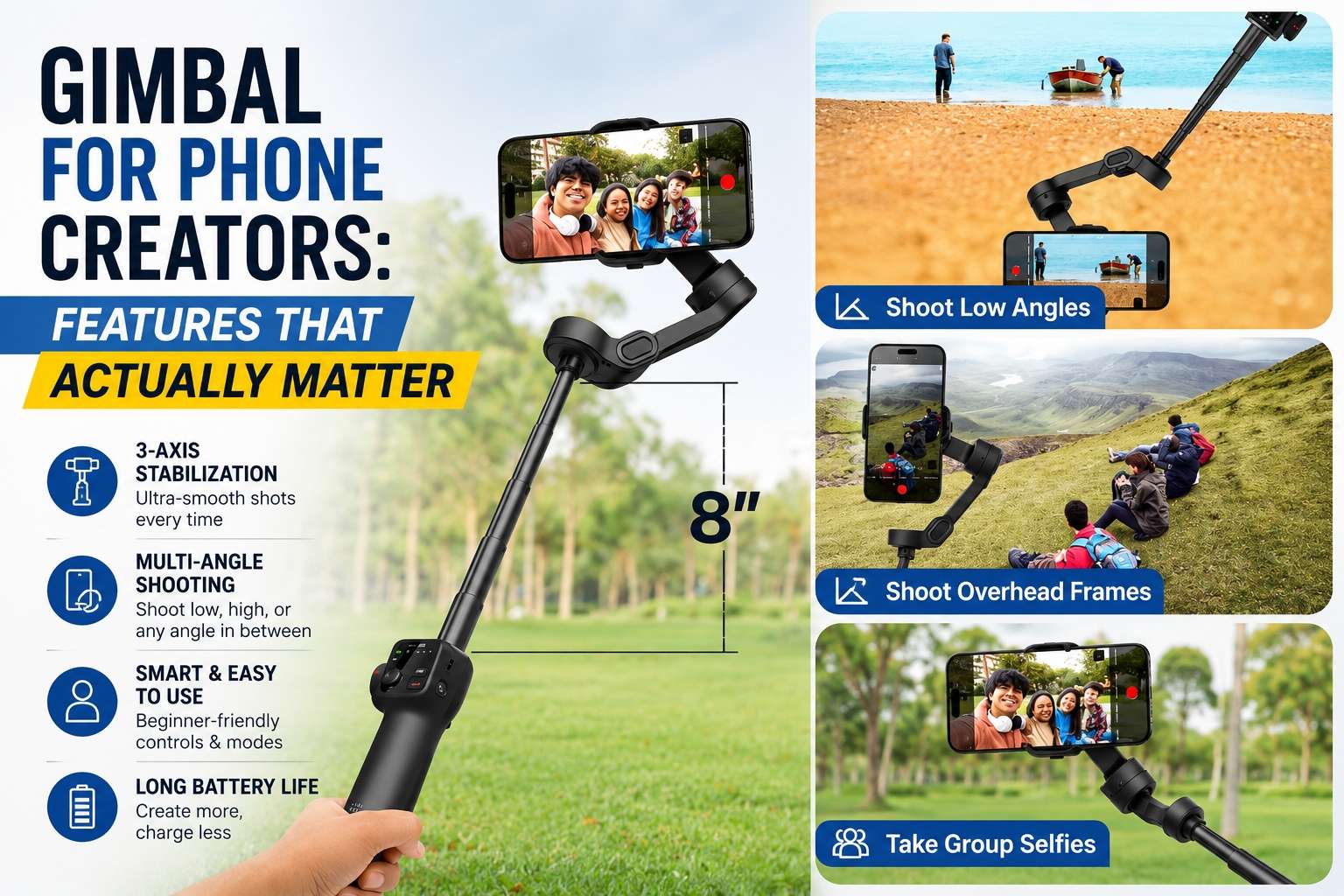
- Consider weight and balance for gimbals: Sigma Art-series primes are sharp but often heavy, which affects gimbal motors and battery life.
- Rent or borrow a lens for a day of shooting to validate autofocus, color rendition, and ergonomics with existing gear.
Trade-offs and common mistakes
Common trade-offs when choosing Sigma lenses for YouTube and vlogging include:
- Sharpness vs. size: Art-series lenses are very sharp but large and heavy; lighter Contemporary lenses may be less micro-contrasty but are easier to carry all day.
- Prime vs. zoom: Primes typically offer larger apertures (better low-light) but reduce framing flexibility without moving the camera.
- Stabilization: Many Sigma lenses rely on camera IBIS. Assuming a lens has OSS without checking can lead to shaky footage on bodies without IBIS.
Common mistakes to avoid:
- Buying for lab specs instead of the filming style—select focal length and handling that match real shooting scenarios.
- Ignoring adapter compatibility—some adapters (like Sigma MC-11 for EF-to-E mount) enable AF but may introduce limitations on continuous AF or stabilization.
- Assuming identical AF performance across mounts—Sigma lens behaviour can differ between Canon RF, Sony E, and L-mount bodies.
Lens maintenance and workflow tips
- Keep firmware up to date with Sigma’s official updates and camera-body firmware for best autofocus performance.
- Use a small portable ND filter (if the lens supports it) to keep aperture wide for cinematic background separation outdoors.
- Store and ship lenses in padded cases to preserve calibration and avoid mechanical issues that affect AF.
Core cluster questions
- Which Sigma focal lengths are best for indoor vlogging?
- How does Sigma autofocus perform for continuous face tracking in video?
- When should a vlogger choose a Sigma prime versus a Sigma zoom?
- Do Sigma lenses need optical stabilization for handheld YouTube shooting?
- How to adapt Sigma EF-mount lenses to mirrorless bodies without losing AF?
For best-practice camera settings and framing guidance for YouTube uploads, review official platform resources like YouTube Creator Academy: YouTube Creator Academy.
Conclusion: match lens strengths to your workflow
Choosing the best Sigma lenses for vlogging depends on shooting distance, desired background separation, stabilization available in-camera, and how much gear can be comfortably carried. Use the FRAMES checklist, test lenses in the intended shooting environment, and prioritize what directly improves the final footage rather than chasing specs alone.
FAQ
Which are the best Sigma lenses for vlogging?
Wide APS-C primes like the Sigma 16mm f/1.4 DC DN and versatile zooms like the Sigma 18-50mm f/2.8 DC DN are common single-lens solutions for vlogging. On full-frame bodies, consider Sigma 24mm f/1.4 or a compact 24-70mm zoom depending on shooting distance and low-light needs. Match your choice to camera IBIS availability and autofocus compatibility.
Do Sigma lenses work well with autofocus for talking-head videos?
Many recent Sigma lenses offer good autofocus performance on modern mirrorless mounts, but behaviour varies by mount and camera body. Check for firmware updates and test continuous AF tracking with the camera’s face/eye detection before relying on it for critical shoots.
Should vlogging lenses have optical stabilization (OSS) or rely on IBIS?
If the camera body has reliable IBIS, relying on IBIS plus a fast lens is often sufficient. If the body lacks IBIS, prefer Sigma lenses with OSS or choose a gimbal for stabilized motion shots.
Can Sigma lenses be adapted between mounts without losing functionality?
Adapters exist (e.g., Sigma MC-11 for EF-to-E), but AF speed, aperture control, and stabilization can change. Confirm compatibility and read camera-mount forums or manufacturer notes for tested configurations.
How to choose between Sigma Art and Contemporary lines for YouTube?
Art lenses prioritize optical performance and sharpness; they are ideal when image quality is the primary goal and weight is less important. Contemporary lenses balance image quality with smaller size and lighter weight—often a better fit for daily vlogging where handling and portability matter.