Best Vegetarian Protein Powders for Health, Strength, and Recovery
-
- March 06th, 2026
- 662 views

FREE SEO Topical Map Generator: Find Your Next Content Ideas
Choosing the best vegetarian protein powders for health and performance
The search for the best vegetarian protein powders starts with clear priorities: amino acid profile, digestibility, added ingredients, and how the powder will be used (post-workout, meal replacement, or daily protein boost). This guide explains practical selection criteria, compares common plant proteins, and provides a reproducible checklist to match product features to personal goals.
- Pea, soy, rice, hemp, and mixed blends are the common vegetarian sources.
- Look for 15–25 g protein per serving, complete amino acids or strategic blending, and third-party testing for contaminants.
- Use the PROTEIN checklist below to compare labels in 2–3 minutes.
Detected intent: Commercial Investigation
Best vegetarian protein powders: what to compare
Primary concerns when comparing powders include protein content per serving, essential amino acids (especially leucine), bioavailability, allergen profile, and presence of added sugars or artificial ingredients. Terms and metrics to know include PDCAAS and DIAAS (digestibility scores used by nutrition experts), complete protein (contains all nine essential amino acids), and common additives such as natural flavors, thickeners, and sweeteners.
Plant-based protein powder benefits
Vegetarian protein powders offer lower saturated fat, higher fiber in some cases (e.g., hemp), and suitability for lactose-intolerant consumers. Compared to animal proteins, many plant proteins come with additional micronutrients and phytonutrients. For official guidance on protein needs and safety, see the NIH Office of Dietary Supplements protein fact sheet (NIH Office of Dietary Supplements).
Vegetarian protein powder comparison: common sources
- Pea protein: High in lysine, often used in blends to improve completeness; typically well tolerated and good for muscle recovery.
- Soy protein: A complete plant protein with strong research support for muscle maintenance; consider personal preference around soy intake.
- Rice protein: Higher in cysteine and methionine but low in lysine—best when blended with pea.
- Hemp protein: Contains omega-3s and fiber but usually lower in total protein per scoop.
- Mixed blends: Combine sources to approach a complete amino acid profile and balanced digestibility.
PROTEIN checklist: a fast evaluation framework
Use this named framework to compare powders quickly. Read labels and score each item for a simple side-by-side decision.
- Protein per serving: Aim for 15–25 g for muscle-focused use.
- Range of amino acids: Check leucine and whether the product is complete.
- Origin & processing: Sprouted, fermented, or cold-processed may improve digestibility.
- Testing & transparency: Third-party testing for heavy metals and contaminants.
- Extras: Added vitamins, fiber, probiotics—helpful but watch sugar and fillers.
- Ingredient list: Short and recognizable is usually better.
- Nutritional balance: Calories from protein vs. carbs and fats—match to how it will be used.
Real-world example
A recreational runner recovering from intense intervals adds 20 g of pea protein within 30 minutes after training to support muscle repair and maintain daily protein intake. The runner checks the PROTEIN checklist: 20 g per serving (P), pea plus rice blend for a fuller amino profile (R), labeled third-party testing (T), and minimal added sugar (I, E). This practical use-case demonstrates how source, timing, and label checks combine for effective choices.
Practical tips for choosing and using vegetarian protein powders
- Match serving size to goal: 20–25 g for post-workout muscle support; 10–15 g for a snack or cup of coffee.
- Prefer blends or soy/pea options when a complete amino acid profile matters for muscle synthesis.
- Check for third-party testing (heavy metals, microbiology) to reduce long-term risk from contaminants.
- Try small containers before committing to a bulk tub—taste and tolerance vary.
- Consider timing: protein around workouts boosts recovery; evening protein can support overnight repair.
Common trade-offs and mistakes
Trade-offs to accept
Plant proteins often require blending or larger servings to match whey’s leucine and digestibility. Choosing organic or minimally processed powders may raise cost but can reduce exposure to additives. High-protein concentrates provide more protein per scoop but sometimes with less fiber and micronutrients.
Common mistakes
- Relying on protein percentage alone—serving size matters.
- Ignoring amino acid profile—some single-source plant proteins are low in lysine or methionine.
- Overlooking additives and sugars that turn a protein shake into a high-calorie beverage.
Core cluster questions for internal linking and further reading
- Which plant protein powder is best for muscle gain?
- How much protein should vegetarians get per day for performance?
- Are blended plant proteins better than single-source powders?
- How to assess digestibility and amino acid completeness in labels?
- What tests and certifications indicate product safety and quality?
Labels, certifications, and evidence
Look for third-party seals and certificates that verify purity and heavy-metal testing. PDCAAS and DIAAS are technical measures referenced in nutrition science; when possible, prioritize products with published testing results or certificates of analysis. Regulatory and professional organizations such as the Academy of Nutrition and Dietetics and national health authorities provide guidance on protein needs and safety.
When a vegetarian protein powder may not be necessary
Whole-food sources (legumes, dairy or eggs for lacto-ovo vegetarians, soy, tofu, tempeh, seitan) can meet daily protein needs for many people. Powder supplements are most useful when convenience, higher per-serving protein, or specific timing (post-workout) is required.
FAQ
What are the best vegetarian protein powders for muscle and recovery?
For muscle and recovery, prioritize powders that deliver 20–25 g of protein per serving and provide a complete amino acid profile or a blend (e.g., pea+rice). Look for products with a clear ingredient list, no unnecessary sugars, and third-party testing for contaminants.
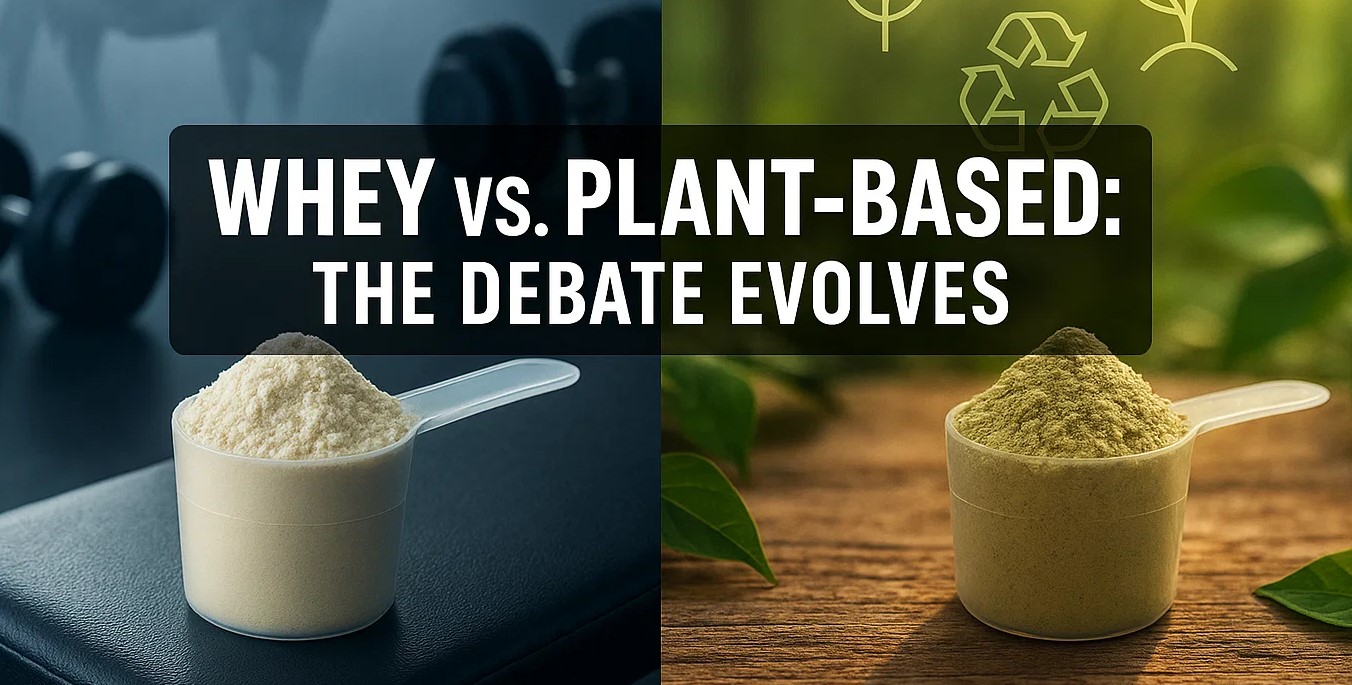
How do plant proteins compare to whey in effectiveness?
Plant proteins can support muscle growth when total protein and leucine thresholds are met. Blends or soy and pea proteins tend to perform best. Digestibility and leucine content are the main differences to consider.
How much protein does a typical vegetarian protein powder serving provide?
Most vegetarian powders provide 15–25 g per serving; some concentrated isolates reach 25 g or more. Check the label and adjust serving frequency to meet daily protein goals.
Can plant protein powders contain heavy metals or contaminants?
Yes—soil-absorbed heavy metals can appear in plant-derived powders. Choosing products with third-party testing and certificates of analysis reduces risk.
How should vegetarian protein powder be used in a daily plan?
Use as a post-workout recovery shake, a convenient protein-rich snack, or as part of a meal replacement when whole-food options are not available. Pair with carbohydrate for recovery and include varied protein sources across the day for balance.