How Wedding Dress Styles Evolved: From Modest Gowns to Bold Florals
-

- March 18th, 2026
- 239 views

Get a free topical map and start building content authority today.
Detected intent: Informational
The evolution of wedding dress styles maps cultural shifts, textile innovation, and changing ideas about modesty, femininity, and personal expression. This guide explains key periods, the move from modest gowns to bold florals, and practical steps for choosing a look that fits modern weddings while respecting historical context. The evolution of wedding dress styles appears below in clear categories, with a checklist, real-world example, and actionable tips.
- Wedding dress styles evolved from modest, structured gowns to varied silhouettes, including bohemian and bold floral prints.
- Key influences: religion, social norms, technology, designers, and cultural exchange.
- Use the 5P Bridal Style Checklist to evaluate fit, fabric, and form.
- Practical tips and common mistakes help balance tradition with personal expression.
The evolution of wedding dress styles: timeline and defining features
The long arc of bridal fashion moves from high-necked, long-sleeved modest gowns to contemporary options that include minimalist slips, vintage revivals, and bold florals printed on silk and organza. Social norms and fabric technology influenced each stage:
Victorian and early 20th century — modesty and symbolism
White became popular after Queen Victoria's 1840 wedding, symbolizing purity and making white gowns fashionable for the upper classes. Modest gowns often featured high necklines, long sleeves, corsetry, and heavy fabrics like satin and brocade. Social expectations emphasized formality and ritual.
Mid-century to 1970s — silhouette experimentation and accessibility
After World War II, ready-to-wear production expanded bridal options. The 1950s favored full skirts and nipped waists. By the 1960s and 1970s, relaxed shapes and bohemian influences introduced simpler cuts, lace overlays, and later, floral accents—reflecting the era's cultural shifts.
1980s–1990s — statement sleeves to minimalist turns
The 1980s returned to dramatic statements: puffed sleeves, heavy beading, and voluminous skirts. The 1990s followed with minimal slip dresses and cleaner lines as a reaction against excess, setting the stage for personalized choices rather than one dominant look.
2000s–present — personalization, prints, and bold florals
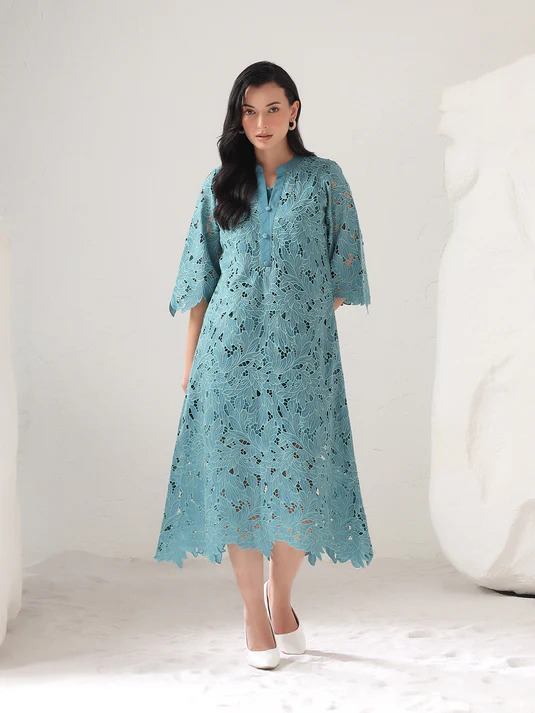
Contemporary bridal fashion is diverse. Technical printing on silk and advances in dyeing made bold florals more practical. Designers combined traditional silhouettes with printed fabrics, and many brides choose modest gowns for ceremony and a bold floral reception dress—mixing heritage with personal expression.
Why styles shifted: cultural and technical drivers
Changes in the evolution of wedding dress styles reflect broader trends:
- Religious and cultural norms shaping modesty expectations.
- Industrial textile advances enabling lighter fabrics and digital printing.
- Media and celebrity influence accelerating trend adoption.
- Greater emphasis on sustainability and second-hand bridal wear.
5P Bridal Style Checklist (named framework)
Use the 5P Bridal Style Checklist to compare options practically:
- Period: Which era or silhouette inspires the look?
- Proportion: How does the silhouette balance body shape and venue scale?
- Palette: Solid white, ivory, or a floral palette—what fits skin tone and lighting?
- Pattern: Consider scale and placement of florals or lace motifs.
- Practicality: Comfort, movement, climate, and ceremony vs reception needs.
How to choose between modest gowns and bold florals
Choosing between modest wedding gowns to bold florals is a decision of values and context. Consider ceremony location, family expectations, and the degree of personal expression desired. The following subsections outline trade-offs and common mistakes.
Trade-offs and common mistakes
Common trade-offs include:
- Tradition vs individuality: Modest gowns align with formal tradition; bold florals announce a personal aesthetic.
- Photography and scale: Large prints can read well in photos but may overwhelm small venues.
- Seasonality: Heavier fabrics suit cool seasons; light, printed silks work best for spring and summer.
Common mistakes:
- Choosing prints without testing in wedding lighting—colors can shift under incandescent or outdoor light.
- Prioritizing trendiness over comfort—ensure movement and duration are considered.
- Ignoring alterations—fit changes can alter how patterns align on seams and hemlines.
Practical tips for selecting a wedding dress style
- Sample fabrics in the ceremony environment to see how prints and whites behave under actual light.
- Try movement tests: walk, sit, and raise arms to confirm modest styles remain comfortable during rituals.
- Pair a modest ceremony dress with a bold floral reception outfit to get both tradition and expression without compromise.
- Consult dressmakers about pattern placement—panels can minimize visual distortion across seams.
Real-world example: a blended ceremony and reception plan
A city ceremony with a formal, interfaith service required a modest gown with long sleeves and a high neckline. For the reception at an outdoor garden, a second outfit in a lightweight silk with oversized floral prints provided movement and color on camera. Alterations aligned the skirt length for dancing, and the floral palette incorporated venue blooms for visual cohesion.
Core cluster questions (for internal linking and topic expansion)
- How did wedding dress silhouettes change from the Victorian era to today?
- What fabrics work best for floral-printed wedding dresses?
- How to balance modesty and personal style for a modern ceremony?
- When is a two-dress plan (ceremony + reception) appropriate?
- How do venue and lighting affect choice of wedding dress patterns?
Evidence and further reading
For an overview of historical context and museum-held examples, see the Victoria and Albert Museum's wedding dress history resource: vam.ac.uk/articles/wedding-dress-history. This source summarizes documented shifts in silhouette and materials over centuries.
Final checklist before buying or commissioning a gown
- Confirm ceremony expectations and family considerations.
- Test fabrics and prints in the intended venue lighting.
- Allow time for multiple alteration rounds, especially for printed fabrics.
- Plan accessory pairings that support either modest or bold looks without visual conflict.
FAQ
How did the evolution of wedding dress styles lead from modest gowns to bold florals?
The evolution of wedding dress styles moved through technological advances in textiles, changing social norms, and shifting aesthetic priorities. As textile printing and dyeing improved, large-scale florals became reliable and colorfast. Social movements and designer innovation broadened acceptable bridal looks from strictly modest to highly personalized statements.
Are bold floral wedding dresses appropriate for formal ceremonies?
Bold florals can be appropriate if scaled and colored to fit the ceremony tone. Choose subtler palettes or combine a modest ceremonial dress with a floral reception outfit to respect formality while embracing color.
What alterations are unique to floral-printed bridal fabrics?
Printed fabrics require careful pattern matching at seams and strategic placement to avoid visual breaks at joints. Allow extra time and budget for aligning motifs during tailoring.
Can modest wedding gowns be modernized without losing tradition?
Yes. Modernization can include updated fabrics, simplified trims, tailored fits, and subtle color shifts (ivory, champagne) while retaining classic necklines and sleeve lengths.
How to decide between a vintage-inspired modest dress and a contemporary floral design?
Assess venue, rituals, personal expression levels, and photography goals. Use the 5P Bridal Style Checklist—Period, Proportion, Palette, Pattern, Practicality—to weigh options objectively and test looks in real conditions.