Red Light Therapy for Skin: Benefits, How It Works, and Options in Riyadh
-

- Published Updated
- 470 views
Red light therapy for skin is a non-invasive treatment that uses specific wavelengths of red and near-infrared light to target cells under the skin. Interest in this modality is growing across Riyadh for anti-aging, acne management, and scar healing. This guide explains the evidence, practical steps for choosing treatment in Riyadh, and how to set realistic expectations.
- Detected intent: Informational
- Primary keyword: red light therapy for skin
- Secondary keywords: red LED therapy benefits; skin rejuvenation Riyadh; infrared light therapy for acne
- What this covers: evidence, mechanisms, a practical RED-SKIN checklist for Riyadh clinics, real-world scenario, and actionable tips.
How red light therapy for skin works
Red and near-infrared wavelengths (commonly ~630–700 nm for red and ~800–850 nm for near-infrared) penetrate the epidermis and are absorbed by chromophores like mitochondrial cytochrome c oxidase. This photobiomodulation can increase cellular energy (ATP), reduce oxidative stress, and stimulate fibroblasts, which supports collagen production, improved circulation, and reduced inflammation. Clinical evidence supports benefits for skin rejuvenation, wound healing, and some inflammatory conditions when protocols are followed.
Benefits and evidence: red LED therapy benefits
Proven and commonly reported outcomes
- Reduced fine lines and improved skin texture through collagen stimulation. - Lowered inflammation and faster recovery for mild acne and post-procedure healing. - Improved tone and reduction of redness for certain inflammatory skin conditions.
Authoritative dermatology resources recommend considering light-based options as adjunctive treatments; for an overview of phototherapy and clinical use, see the American Academy of Dermatology (AAD) guidance on light-based therapies: AAD phototherapy overview.
What to expect in Riyadh clinics and skin rejuvenation Riyadh options
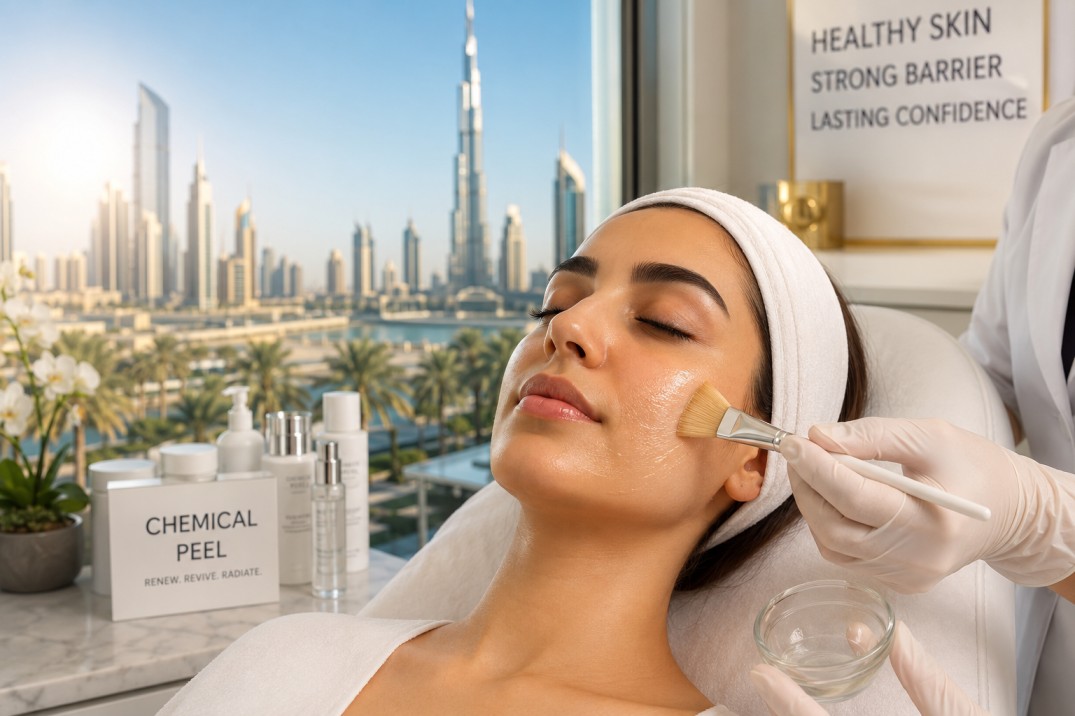
Clinics in Riyadh offer everything from small-wattage home devices to professional-grade LED panels and combined devices (red + near-infrared). Typical in-clinic sessions last 10–20 minutes, delivered 2–3 times weekly for an initial 6–12 week course. Results vary by condition and consistency.
Infrared light therapy for acne: realistic outcomes
Near-infrared may help reduce inflammation and accelerate lesion resolution, but severe cystic acne usually requires medical therapy. Use light therapy as part of a broader plan with a licensed dermatologist or qualified provider.
RED-SKIN checklist: a simple framework to evaluate providers
Use the RED-SKIN checklist before booking treatment at any Riyadh clinic:
- Review candidacy: Confirm skin type, conditions, and contraindications (photosensitizing medications, active infections).
- Evaluate device specs: Ask about wavelength(s), irradiance (mW/cm²), and treatment time.
- Dosage plan: Request a documented session plan (frequency and total number of sessions).
- Safety measures: Eye protection, staff training, and hygiene protocols.
- Keep records: Before/after photos and progress notes.
- Informed consent: Risks, expected outcomes, and alternatives explained in writing.
- Notify provider of medications and medical history (especially photosensitizers).
Real-world example: a Riyadh skincare scenario
A 32-year-old Riyadh resident with mild atrophic acne scarring and occasional inflammatory lesions seeks non-invasive improvement. The clinic performs a consultation, confirms there are no contraindications, and recommends a combined red (660 nm) and near-infrared (830 nm) protocol: 15-minute sessions, three times weekly for 8 weeks, then maintenance once weekly. Measurements and progress photos are taken. After 8 weeks, the patient reports smoother texture and fewer inflammatory breakouts; maintenance sustains results while topical care addresses ongoing acne control.
Practical tips for better results with red light therapy for skin
- Follow a consistent schedule: Adherence to the initial treatment course (e.g., 6–12 weeks) improves outcomes.
- Combine with appropriate skincare: Use sun protection, gentle cleansers, and topical products recommended by a clinician.
- Confirm device specs: Higher irradiance and correct wavelength shorten session time and improve dose accuracy.
- Document changes: Take standardized before/after photos under the same lighting and angles.
Common mistakes and trade-offs
Trade-offs include cost versus convenience (home devices are cheaper but often lower power), single-modality expectations (light therapy helps but rarely fully replaces medical treatments for severe conditions), and ignoring device settings (duration and distance matter). Common mistakes: using devices with unknown specifications, skipping eye protection, and expecting immediate dramatic results. Realistic goals and an evidence-based plan reduce disappointment.
Core cluster questions for related content planning
- How long does it take to see results from red light therapy for skin?
- Which wavelengths are best for skin rejuvenation and acne?
- What safety checks should be done before starting LED light therapy?
- Can at-home red light devices match professional clinic results?
- How should red light therapy be combined with topical treatments?
Choosing a provider in Riyadh
Prefer clinics with licensed dermatologists or trained skin therapists, transparent device information, and documented safety protocols. Ask for a trial session or a clear treatment contract describing costs and expected outcomes.
Is red light therapy for skin safe?
Major safety concerns are limited when appropriate protocols are followed: eye protection is required, and people on photosensitizing medications should avoid treatment. Long-term data are improving but currently support short-to-medium term safety under supervised use.
How long until red light therapy for skin shows results?
Initial improvements in redness and inflammation can appear within 2–6 weeks; collagen-driven texture changes typically take 8–12 weeks of consistent treatment.
Can home devices be effective compared to clinic devices?
Home devices can help for maintenance and mild concerns but often have lower irradiance and longer required exposure times. Check device specifications and follow manufacturer and clinician guidance.
Who should avoid red light therapy?
Avoid if using photosensitizing drugs, during pregnancy without medical advice, or with active skin infections. Consult a healthcare professional for personalized guidance.
What questions should be asked during a consultation in Riyadh?
Ask about device wavelength and irradiance, expected session frequency, total cost, safety steps, and how progress will be documented. Request written consent and aftercare instructions.