How to Choose the Right Primary Care Physician in Plano: A Practical Guide
-

- March 01st, 2026
- 488 views
Choosing a primary care physician in Plano is one of the most important health decisions for individuals and families. A stable primary care relationship affects preventive care, chronic disease management, referrals, and overall healthcare costs. This guide explains what a primary care physician does, how to evaluate options in Plano, practical steps to find a good match, and common pitfalls to avoid.
Why a primary care physician in Plano matters
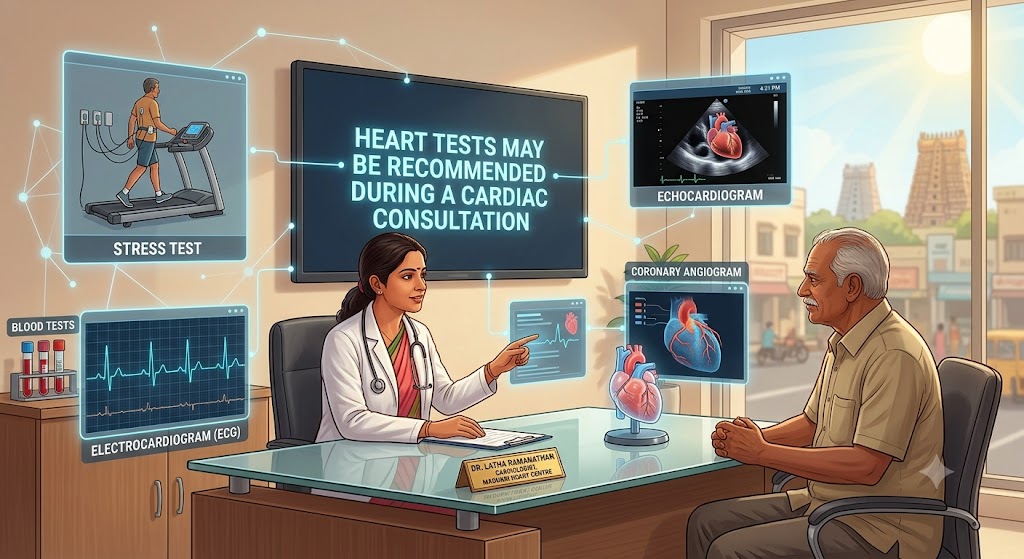
Primary care physicians (PCPs) serve as the first point of contact for most non-emergency health needs. In Plano, where residents balance busy work and family schedules, an established PCP helps ensure timely preventive screenings, manages chronic illnesses like diabetes and hypertension, coordinates referrals to local specialists, and documents care in a shared electronic health record (EHR). Patients with continuous primary care are less likely to experience fragmented treatment and more likely to receive recommended vaccinations and cancer screenings.
What a PCP does: core services
- Prevention and screening (vaccines, cancer screening, wellness exams)
- Chronic disease management (diabetes, heart disease, COPD)
- Acute care for non-emergencies (infections, minor injuries)
- Care coordination and referrals to specialists
- Behavioral health screening and connections to local mental health services
Types of primary care clinicians
Primary care may be delivered by family physicians, internal medicine doctors (internists), pediatricians (for children), and advanced practice clinicians such as nurse practitioners or physician assistants. Each brings different training and practice styles; for example, family physicians often see patients across the lifespan, while internists focus on adult medicine.
How to find and evaluate options: practical steps
Start with insurance network lists and clinic locations, but go beyond: check appointment availability, telehealth options, and whether the practice uses an interoperable EHR for easy records transfer. Online patient reviews provide context but should not be the sole decision factor.
Step-by-step checklist
- Confirm in-network status with the insurance plan and verify any referral requirements.
- Use the CARE Checklist (see below) to compare candidates on coordination, accessibility, relationship style, and patient education approach.
- Check logistics: office hours, weekend availability, same-day sick visits, and proximity to home or work; search terms like "Plano primary care clinic near me" can help find convenient locations.
- Call the office to ask about average wait times, new-patient appointment length, and whether telehealth is available.
- Schedule an initial visit to assess communication style and follow-up processes.
The CARE Checklist (framework)
CARE is a concise framework for comparing primary care options. Use it as a scoring sheet when evaluating clinics or clinicians:
- Coordination — Does the PCP coordinate with specialists and hospitals? Are referrals handled quickly?
- Accessibility — Office hours, location, telehealth, language services, and patient portal access.
- Relationship — Communication style, willingness to listen, cultural fit, and continuity of care.
- Education — Preventive counseling, clear treatment plans, and resources for self-management.
Finding a family doctor or specialist-style PCP
For families looking for a broad lifespan clinician, focus searches on "finding a family doctor in Plano" to identify providers comfortable treating children through older adults. For adults with complex chronic conditions, an internist with experience in care coordination may be more appropriate. Consider practice resources: in-house labs, chronic care clinics, and integrated behavioral health services.
Real-world example
Scenario: A 52-year-old named Maria moved to Plano and needed continuous care for type 2 diabetes. Using the CARE Checklist, Maria chose a PCP whose practice offered same-week appointments, an integrated diabetes nurse educator, and a patient portal that allowed secure messaging. After establishing care, the PCP coordinated a cardiology referral and adjusted medications while tracking HbA1c trends in the clinic’s EHR. Within six months, Maria’s A1c improved and unnecessary ER visits stopped.
Practical tips for making the decision
- Bring a list of current medications, diagnoses, and last screening dates to the first visit to accelerate meaningful care.
- Ask about communication preferences: secure messaging, phone triage, and expected response times.
- Confirm how after-hours issues are handled — on-call physician, nurse advice line, or urgent care recommendations.
Additional actionable tips
- Verify whether the PCP accepts new patients and how long waitlists usually are.
- Request a copy of the clinic’s privacy policy and how medical records are shared with specialists.
- Check if the practice offers preventive care reminders and population health outreach programs.
Common mistakes and trade-offs
Common mistakes to avoid
- Choosing strictly on location or lowest copay without checking continuity and care coordination capabilities.
- Ignoring office workflow—frequent rescheduling, long waits, or limited appointment times can signal operational issues.
- Over-relying on online ratings without verifying credentials, insurance status, and actual practice capabilities.
Trade-offs to consider
Larger practices may offer extended services (lab, behavioral health, care managers) but can feel less personal. Solo or small-group practices may provide stronger patient–physician relationships but have limited office hours or fewer in-house services. Prioritize what's most important: accessibility and extended services versus long-term relationship and continuity.
Local resources and verification
Verify board certification through state medical boards and confirm any disciplinary history. For prevention and screening recommendations to discuss with a prospective PCP, refer to central public-health guidance such as the CDC’s clinical preventive services information for evidence-based schedules and recommendations: CDC — Clinical Preventive Services.
Core cluster questions
- What services does a primary care physician provide in Plano?
- How to find a family doctor in Plano who accepts my insurance?
- When should a patient switch primary care physicians?
- What questions should be asked at a first primary care visit?
- How does a PCP coordinate care with specialists in Plano hospitals and clinics?
FAQs
How do I choose the best primary care physician in Plano?
Begin by confirming insurance network status, then use the CARE Checklist to compare coordination, accessibility, relationship style, and education offerings. Schedule a new-patient visit to assess fit and ask about same-day care, telehealth, and care coordination processes.
Can a nurse practitioner be a primary care provider in Plano?
Yes. Nurse practitioners and physician assistants commonly serve as primary care clinicians. Check state scope-of-practice rules, the practice’s supervision model, and how the team coordinates with physicians and specialists.
What does a PCP do for chronic disease management?
PCPs monitor labs and vital signs, adjust medications, coordinate specialty referrals, and provide education and self-management support. Many clinics offer chronic care programs or nurse-led follow-up for conditions like diabetes and hypertension.
How long should it take to get a new patient appointment in Plano?
Expect variability: some practices offer new-patient visits within 1–3 weeks, others take longer. For urgent but non-emergency needs, ask about same-day sick visits or nurse triage services.
Why is continuity with a primary care physician in Plano important?
Continuity improves preventive care uptake, reduces hospitalizations, and helps ensure consistent medication management and timely referrals. A continuous relationship builds understanding of personal health history and patient preferences, which improves outcomes.