Fractional CO2 Laser for Anti-Aging: Benefits, Recovery, and Safe Use
-

- March 04th, 2026
- 550 views
Informational
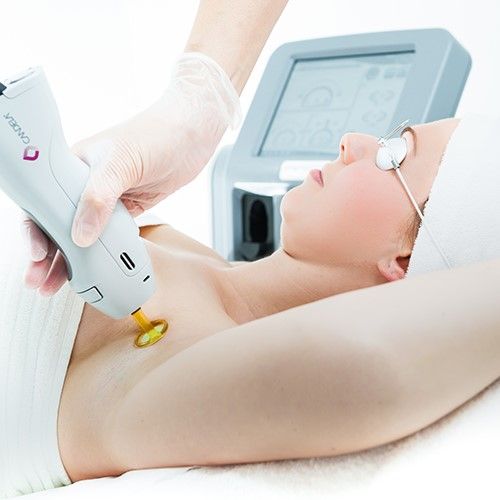
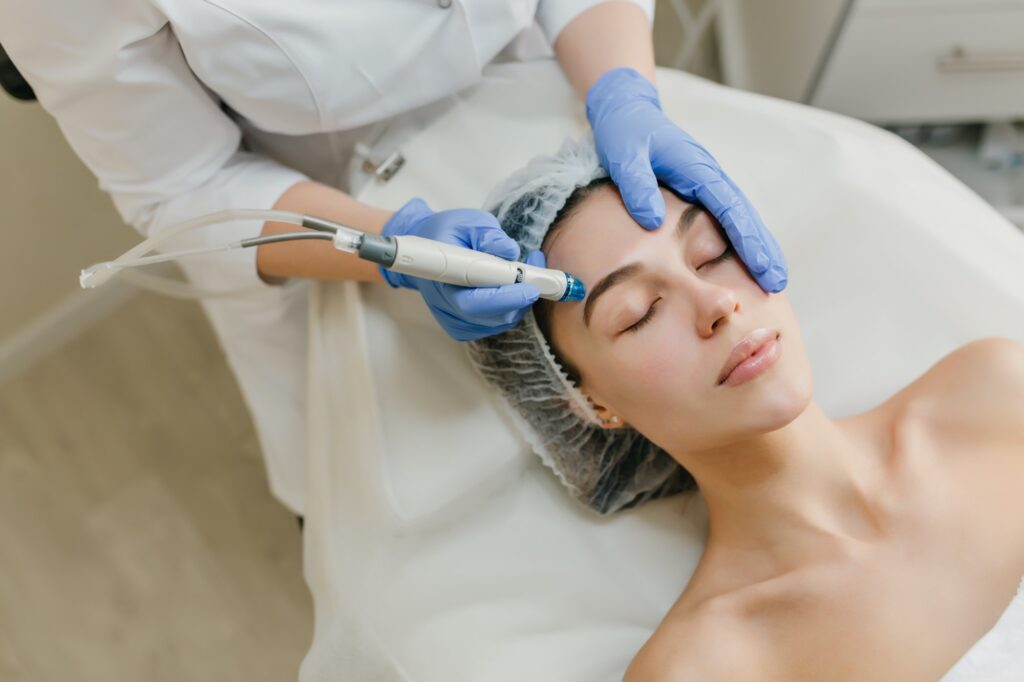
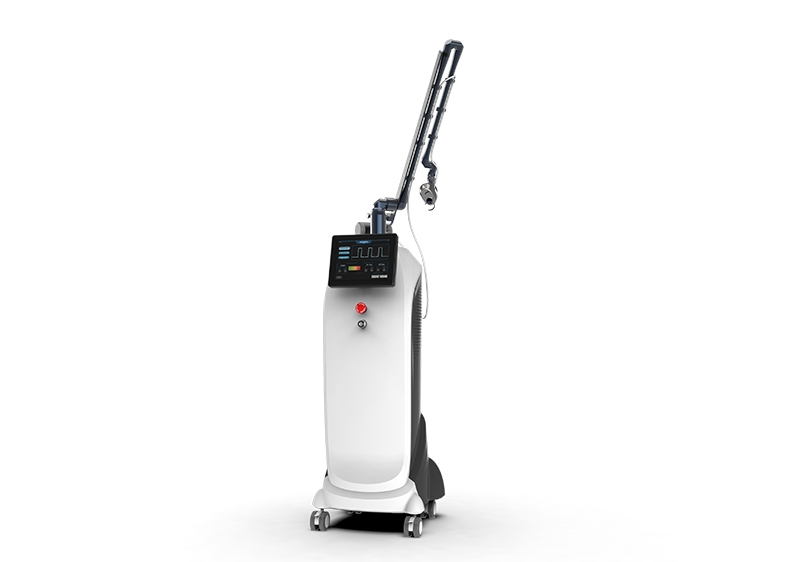
A fractional CO2 laser for anti-aging is a widely used resurfacing treatment that creates controlled micro-injuries to the skin to stimulate collagen remodeling and improve texture, wrinkles, and pigmentation. This article explains the science, candidacy, recovery expectations, risks, and practical steps to prepare for and recover from treatment.
fractional CO2 laser for anti-aging: how it works
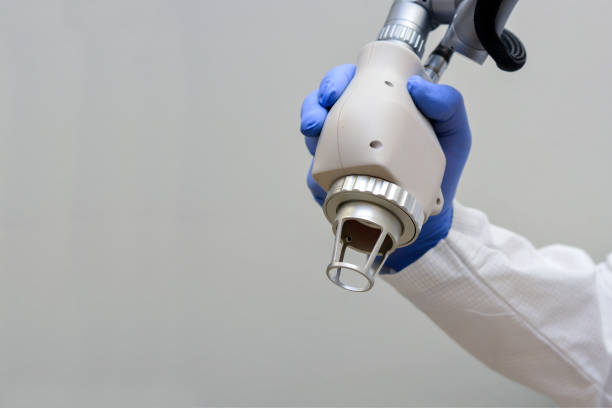
Fractional CO2 devices deliver focused columns of ablative energy (microthermal zones) while leaving surrounding tissue intact. The intact zones speed healing and the controlled injury triggers fibroblasts to produce new collagen and elastin. Over weeks to months the treated areas contract and smooth, reducing the appearance of wrinkles, sun damage, and atrophic scars. Related terms include laser resurfacing, ablative laser, fractional resurfacing, collagen remodeling, and microthermal zones.
Mechanism and targets
CO2 lasers use 10,600 nm wavelength light absorbed by water in skin cells to vaporize microscopic columns. The depth and density of columns are adjustable; higher energy and density produce greater remodeling but increase downtime and risk. Typical targets include perioral lines, forehead furrows, nasolabial folds, and textural irregularities from acne.
Ablative vs non-ablative and device alternatives
Compared with non-ablative fractional lasers (e.g., non-ablative erbium or fractional lasers that heat rather than vaporize), fractional CO2 is more effective for deep rhytides and severe photodamage. Trade-offs include longer recovery and higher risk of pigment changes. Terms to know: erbium:YAG, picosecond lasers, fractional photothermolysis.
Who is a good candidate and pre-treatment checklist
Candidates are generally adults seeking meaningful improvement in deep wrinkles, texture, or scarring who can tolerate 5–14 days of visible healing and follow strict sun avoidance afterward. People with active infections, uncontrolled diabetes, recent isotretinoin use (within 6–12 months), or unrealistic expectations are poor candidates.
CO2 LASER Assessment Checklist
- Clinical evaluation of skin type (Fitzpatrick scale) and scarring pattern
- Medication history (isotretinoin, anticoagulants, photosensitizers)
- Expectation setting: realistic outcomes and number of sessions
- Pre-treatment skin preparation: antiviral prophylaxis when indicated, topical retinoid pause
- Recovery plan: time off, wound-care supplies, sun-protection plan
Named framework: LASER Framework for safe treatment selection
- Listen: patient history and goals
- Assess: skin type, scarring, medical risks
- Set: appropriate energy, density, and treatment depth
- Educate: pre/post-care and realistic timeline
- Recover: follow-up, wound care, and sun protection
laser resurfacing for wrinkles: choosing the right approach
For superficial lines and early photoaging, non-ablative fractional lasers or intense pulsed light may suffice. For deeper lines, textural problems, or significant photodamage, fractional CO2 provides more dramatic remodeling. Consider skin type: higher Fitzpatrick types have increased risk of post-inflammatory hyperpigmentation and may need conservative settings or preconditioning (topical lightening, retinoids). Reference clinical guidance from dermatology organizations such as the American Academy of Dermatology for safety principles.
Recovery and downtime: fractional CO2 treatment recovery time
Recovery typically progresses through predictable stages: initial erythema and weeping (days 1–4), crusting and re-epithelialization (days 5–10), and months of remodeling with residual redness. Visible downtime often ranges from 5–14 days depending on settings. Long-term redness and pigment changes can last weeks to months. Strict sun avoidance and broad-spectrum SPF are essential during healing.
Common mistakes and trade-offs
- Overly aggressive settings to chase faster results—this increases scarring and pigment risk.
- Insufficient preconditioning for darker skin types—can lead to hyperpigmentation.
- Inadequate antiviral prophylaxis for patients with herpes history—risk of breakout and scarring.
- Trade-off: stronger treatment = longer recovery but more remodeling; patients must weigh downtime vs expected benefit.
Practical tips for preparation and recovery
- Confirm medical history, stop photosensitizing medications, and start any recommended topical preconditioning 4–8 weeks before treatment.
- Arrange for wound-care supplies: gentle cleanser, prescribed ointment, sterile dressings, and pain control as advised by the provider.
- Expect and plan for at least one week of visible healing and several weeks of limited sun exposure; schedule treatment accordingly.
- Follow a stepwise skincare reintroduction: gentle hydrators first, then return to retinoids only after provider clearance—usually several weeks.
Short real-world scenario
Scenario: A 55-year-old patient with mixed photoaging and perioral rhytides opts for a single fractional CO2 session at medium density. Preconditioning included topical vitamin A products stopped one week prior, antiviral prophylaxis prescribed, and a recovery kit prepared. Visible crusting resolved by day 7, and at three months the patient reported noticeable smoothing of lines and firmer skin texture, with residual mild redness managed with camouflage makeup and strict sun protection.
Core cluster questions
- How long does a fractional CO2 laser treatment last and how many sessions are needed?
- What are the risks of pigmentation changes after ablative laser resurfacing?
- How does fractional CO2 compare with erbium:YAG for facial resurfacing?
- What pre- and post-care steps reduce infection and scarring risk?
- Which skin types benefit most from fractional CO2 versus non-ablative options?
Common practical trade-offs
Choosing a fractional CO2 approach delivers stronger remodeling at the cost of longer downtime and higher temporary side effects. Non-ablative options require less recovery but may need multiple sessions and deliver subtler change. For darker skin tones, conservative settings or alternative modalities reduce pigment risk but may limit maximal improvement.
Making a decision
Decisions should be based on clinical assessment, patient priorities (downtime vs result), and provider experience. Documented consent and a clear recovery plan ensure safer outcomes.
Frequently asked questions
Is a fractional CO2 laser for anti-aging safe?
Safety depends on proper patient selection, device settings, and post-procedure care. When performed by trained clinicians and with appropriate preconditioning and follow-up, outcomes are predictable. Risks include infection, scarring, prolonged redness, and pigment changes.
How long is the fractional CO2 treatment recovery time?
Typical visible healing spans 5–14 days, with ongoing remodeling for several months. Expect crusting in the first week and gradual reduction in erythema over weeks.
Will fractional CO2 remove deep wrinkles and acne scars?
Fractional CO2 is one of the more effective in-office options for deep lines and atrophic acne scars, often producing significant improvement after a single session or a series spaced months apart. Results vary with severity and skin type.
What pre- and post-care steps reduce complications?
Key steps: medical evaluation, antiviral prophylaxis if indicated, sun avoidance, gentle wound care, and follow-up visits. Avoid tanning or recent isotretinoin exposure and follow the provider's topical regimen precisely.