How Permanent Skin Whitening Treatments in Dubai Work: Science, Safety, and Choices
-

- March 22nd, 2026
- 730 views
Demand for permanent skin whitening treatments Dubai often stems from concerns about hyperpigmentation, melasma, or uneven tone. This guide explains the science behind common procedures, who is a suitable candidate, realistic results, and how to weigh safety and costs when considering treatment in Dubai.
Permanent skin whitening treatments Dubai use controlled light, laser, chemical, or injection-based approaches to reduce melanin production or remove pigmented cells. Results vary by method, skin type, and provider skill. Follow the CLEAR checklist in this article and consult a qualified dermatologist or licensed clinic. Detected intent: Informational
permanent skin whitening treatments Dubai: mechanisms and methods
Most procedures marketed as permanent target melanin biology or pigmented tissue rather than changing skin color indefinitely. Common mechanisms include:
- Selective photothermolysis (lasers): Laser energy breaks up pigment and triggers cell turnover.
- Chemical exfoliation: Controlled peels remove superficial pigmented layers and stimulate regeneration.
- Topical inhibitors: Prescription-strength agents reduce melanin synthesis over time.
- Intralesional or systemic agents: Used rarely and with caution for stubborn pigmentation.
Outcomes depend on baseline skin phototype, pigment depth (epidermal vs dermal), and ongoing sun exposure. The phrase "permanent" is often used loosely: many treatments substantially reduce pigmentation long-term but may require maintenance.
Types of professional skin lightening procedures and trade-offs
Lasers and intense pulsed light (IPL)
Lasers such as Q-switched, picosecond, and fractional devices target melanin with different pulse durations and depths. Benefits: precise, relatively fast sessions. Trade-offs: risk of post-inflammatory hyperpigmentation (PIH) in darker skin tones and variable permanence.
Chemical peels and micro-needling with topical lighteners
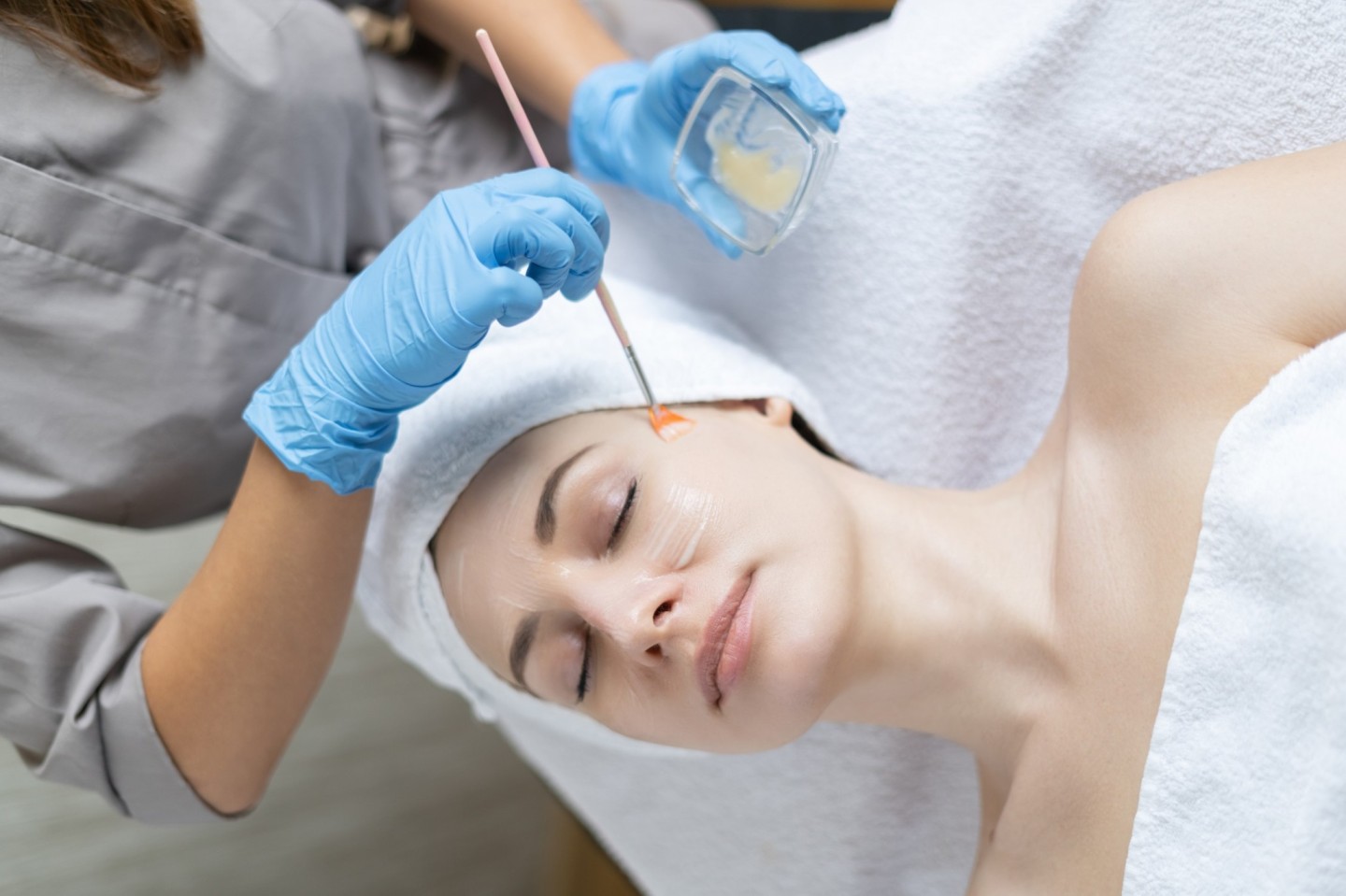
Peels (glycolic, trichloroacetic acid) and micro-needling augment penetration of skin-lightening agents. Benefits: good for superficial pigmentation. Trade-offs: downtime, infection risk, and inconsistent long-term maintenance.
Prescription topical protocols
Prescription regimens commonly use hydroquinone alternatives, retinoids, azelaic acid, or combination creams under dermatology supervision. Benefits: controlled, conservative approach. Trade-offs: slower results and adherence required for lasting improvement.
Common mistakes and trade-offs
- Expecting permanent, one-time correction—many people need maintenance and sun protection.
- Choosing aggressive treatment without matching device/peel to Fitzpatrick skin type, increasing PIH risk.
- Using over-the-counter or unregulated products that contain harmful agents (mercury, unapproved steroids).
Assessing safety: standards, credentials, and one key resource
Look for clinics regulated by the Dubai Health Authority (DHA) or equivalent licensing bodies and practitioners board-certified by recognized dermatology organizations. Regulatory guidance from agencies such as the U.S. Food and Drug Administration informs safety statements about skin-lightening products and devices: FDA guidance on skin-lightening products.
Checklist: the CLEAR framework for evaluating a clinic or protocol
Use the CLEAR checklist before committing:
- Credentials: Verify dermatologist or licensed practitioner and clinic DHA registration.
- Localization: Confirm testing for pigment depth (Wood's lamp, dermoscopy) and tailored methods for skin phototype.
- Expectations: Ask for before/after cases and a clear maintenance plan.
- Assess risks: Review side effects, downtime, and contingency plans for PIH or scarring.
- Recover & aftercare: Ensure prescriptions, sunscreen guidance, and follow-up are part of the package.
Practical example: a typical patient scenario
A 35-year-old with epidermal melasma and Fitzpatrick skin type IV visits a licensed clinic in Dubai. After Wood's lamp assessment, a dermatologist recommends a combination approach: conservative chemical peels spaced four weeks apart, a prescription topical regimen (azelaic acid + retinoid), and strict sun protection. Laser is avoided initially to reduce PIH risk. After six months, visible lightening was achieved and a maintenance topical plan plus quarterly check-ins were arranged.
Practical tips before booking a treatment
- Confirm provider licensing and ask for procedure-specific complication rates and anonymized results for similar skin types.
- Request a documented treatment plan with timelines, costs, and maintenance interventions.
- Prioritize gradual protocols for darker skin tones to lower PIH risk.
- Maintain broad-spectrum sunscreen (SPF 30+ broad-spectrum and physical blockers) daily—sun is the primary driver of recurrence.
Core cluster questions for further reading and internal linking
- What are the long-term risks of skin-lightening lasers?
- How does melasma differ from post-inflammatory hyperpigmentation?
- Which maintenance routines reduce recurrence after pigment reduction?
- How are skin types (Fitzpatrick scale) used to plan whitening procedures?
- What are safe topical alternatives to hydroquinone for long-term use?
Frequently Asked Questions
Are permanent skin whitening treatments Dubai truly permanent?
"Permanent" often means long-term reduction rather than irreversible change. Pigment recurrence is common if sun exposure continues or if the underlying cause (hormonal melasma, inflammation) persists. Expect maintenance, sun protection, and follow-up care to preserve results.
Which professional skin lightening procedures are safest for darker skin?
Conservative approaches—topical prescription regimens, gentle chemical peels, and cautious micro-needling—are typically safer for darker skin tones. Aggressive lasers increase the risk of post-inflammatory hyperpigmentation unless applied by highly experienced practitioners familiar with appropriate settings.
How long does it take to see results from skin pigmentation reduction Dubai treatments?
Superficial pigment can show improvement within weeks of a peel or when using topical agents; more resistant dermal pigment may take months and multiple sessions. Realistic timelines should be part of the initial consultation.
What are common side effects and how are they managed?
Common side effects include transient redness, peeling, sensitivity, and PIH. Management includes topical anti-inflammatories, modified protocols, and temporary cessation of aggressive treatments until the skin stabilizes.