Practical Guide to Personalized Gifts and Promotional Apparel for Every Occasion
-

- April 25th, 2026
- 166 views
Choosing personalized gifts and promotional apparel can turn ordinary giveaways into memorable touchpoints that strengthen relationships, increase brand visibility, and deliver lasting value. This guide explains core terms, selection criteria, and real-world steps to pick items that fit budget, timing, and recipient preferences.
- Define the purpose: recognition, lead generation, or employee appreciation.
- Use the SELECT checklist to match item, customization, and logistics.
- Balance quality, cost, and lead time; plan 4–8 weeks for branded apparel runs.
- Common mistakes: skipping samples, ignoring size variety, and missing imprint proofing.
What are personalized gifts and promotional apparel?
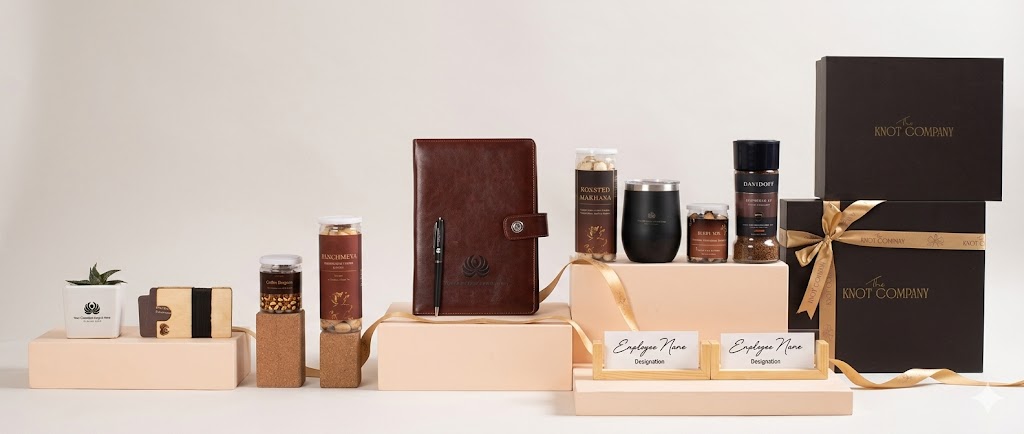
Personalized gifts and promotional apparel are physical items—such as engraved pens, embroidered jackets, or custom-printed T-shirts—modified with a recipient's name, a company logo, a message, or unique artwork. Personalization ranges from simple monograms and name tags to fully custom designs and packaging. Related terms include corporate gifting, branded merchandise, swag, fulfillment, embroidery, screen printing, sublimation, and on-demand personalization.
How to choose personalized gifts and promotional apparel
Select items that match audience needs, event goals, and distribution method. Use the SELECT personalization checklist below to evaluate options consistently.
SELECT personalization checklist (named framework)
Use this 6-step checklist for every order:
- Size & fit — available sizes for apparel and packaging dimensions for gifts.
- Engraving & imprint method — embroidery, screen print, heat transfer, laser engraving.
- Leverage audience — relevance to recipients (techie, outdoors, parents, students).
- Event & timing — lead times, shipping windows, and seasonality.
- Cost per unit — total landed cost including decoration and shipping.
- Testing & proofing — samples, color matches, and approvals before full run.
Step-by-step selection process
Follow these practical steps to move from idea to delivery.
1. Define objectives and audience
Clarify whether the items are for brand awareness, event giveaways, corporate gifts, employee recognition, or fundraising. Audience definition guides the choice between novelty items and premium takes (e.g., stainless steel bottles vs. silicone stress relievers).
2. Shortlist product categories
Common categories: apparel (T-shirts, polos, jackets), drinkware (mugs, bottles), desk items (notebooks, pens), tech accessories (chargers, earbuds), and seasonal gifts. For targeted campaigns, include higher perceived-value items for VIP recipients.
3. Select decoration method and artwork
Match the design complexity to the imprint method. Embroidery suits logos and names on apparel; screen printing is cost-effective for large, single-color runs; full-color sublimation produces photographic prints on polyester items. Ask suppliers for imprint area dimensions and color-matching protocols.
4. Order samples and approve proofs
Always request a physical sample or a production mock-up. Confirm fabric weight, stitching, print resolution, and colors. Skipping samples is one of the most common mistakes that leads to returns and wasted budget.
5. Plan logistics and fulfillment
Decide between bulk distribution at an event, direct-ship to recipients, or drop-shipping to multiple locations. Factor in packaging, personalization workflows (one-off name printing), and return policies.
Real-world example: Product launch swag for 500 attendees
A software company plans a product launch for 500 attendees and wants branded apparel and a premium gift for speakers:
- Objective: Awareness + speaker appreciation.
- Choices: Branded T-shirt (cotton blend, screen print) for attendees; embroidered softshell jacket for 8 speakers.
- Timeline: 8 weeks lead time for embroidery; 4 weeks for screen print. Order samples at week 2, approve proofs week 3, begin production week 4 to meet event date.
- Result: Bulk handout at event reduces fulfillment costs; speaker jackets shipped in branded boxes with personalization for higher perceived value.
Practical tips for success
- Budget for extras: order 5–10% more apparel to cover size exchanges and last-minute additions.
- Request digital color proofs and one physical sample before final production to prevent mismatched colors.
- Confirm lead times with the supplier and build a 10–15% time buffer for peak seasons (holidays, trade-show season).
- Consider sustainable materials and clear labeling if eco-credentials matter to recipients.
- For targeted campaigns, use data to personalize items (e.g., role-based gifts or monograms) rather than a one-size-fits-all approach.
Trade-offs and common mistakes
Understanding trade-offs helps make conscious choices:
- Cost vs. quality: Lower per-unit price often means lower material or print quality—measure lifetime value, not just cost.
- Speed vs. customization: Highly personalized items (individual names, unique designs) increase lead time and per-unit handling costs.
- Standardization vs. relevance: Standard swag is cheaper to distribute, but tailored gifts produce stronger emotional impact and retention.
Common mistakes include skipping samples, failing to confirm artwork bleed areas, ordering insufficient size ranges for apparel, and ignoring customs or import rules for international shipments.
Costs, sourcing channels, and fulfillment basics
Costs vary by material, imprint method, order quantity, and fulfillment complexity. Explore local suppliers for faster turnarounds or vetted online platforms for scalable fulfillment. For guidance on marketing planning and budgeting practices, consult authoritative resources from established small-business organizations (U.S. Small Business Administration).
Core cluster questions
- How to pick the right promotional apparel for a trade show?
- What customization methods work best for embroidered jackets vs. printed shirts?
- How much should a company budget per employee for personalized corporate gifts ideas?
- What are lead-time best practices for custom branded apparel for events?
- How to measure ROI from branded merchandise and personalized gifts?
What are the best personalized gifts and promotional apparel for corporate events?
Best items align with event goals and audience. For large events, comfortable T-shirts, reusable drinkware, and portable tech items work well. For VIPs and employees, choose higher-quality apparel, engraved items, or curated gift boxes that reflect brand values and utility.
How long does it take to produce custom branded apparel for events?
Typical lead times: 2–4 weeks for standard screen-printed shirts at scale; 4–8 weeks for embroidered apparel or complex full-color sublimation. Rush services are available but increase costs—plan early and confirm timelines with suppliers.
What are cost drivers for personalized corporate gifts ideas?
Major cost drivers include base item price, decoration method, setup fees, order quantity, packaging, and shipping. Personalization per unit (individual names) increases handling and cost—consider grouping recipients by role when possible to reduce per-unit personalization fees.
How to ensure quality when ordering promotional apparel?
Order a physical sample, confirm fabric weight and color, inspect stitching, and review a pre-production proof. Work with suppliers that provide documented color matching (Pantone or CMYK) and clear return policies.
How to measure the impact of personalized gifts and promotional apparel?
Track metrics tied to the objective: lead-generation forms collected at events, discount-code redemptions on gifted items, employee engagement surveys for recognition programs, or post-event brand awareness surveys. Use fulfillment data and redemption rates to calculate cost per engaged contact.