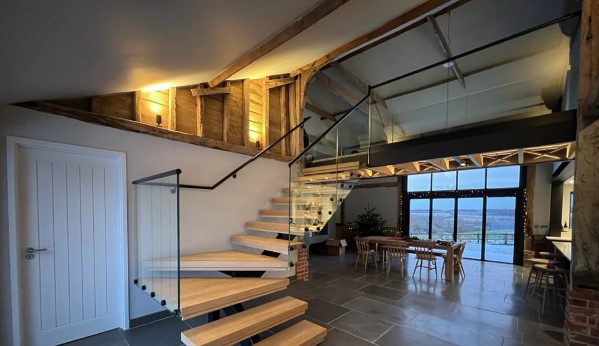
Timeless Midcentury Home Renovation in Fort Lauderdale: Preserve Vintage Charm, Add Modern Comfort
-
- February 25th, 2026
- 493 views

Get a free topical map and start building content authority today.
Detected intent: Informational
A successful midcentury home renovation Fort Lauderdale balances preserving vintage charm with adding modern comfort and hurricane-resilient upgrades. This guide explains practical design and construction choices, local constraints to expect, and an actionable checklist to plan a renovation that feels authentic and performs well for decades.
midcentury home renovation Fort Lauderdale: approach and priorities
Start with a condition-first assessment: structural soundness, roofing and gutters, moisture intrusion, electrical safety, and the state of original finishes. Fort Lauderdale's coastal climate and hurricane zone add urgency to window, roof, and foundation choices. Preserving vintage midcentury features—like original parquet, built-ins, clerestory windows, and terrazzo—should be weighed against long-term durability and local building-code requirements.
Core principles: preservation, performance, and code
Three core principles guide decisions:
- Preservation-first: Repair rather than replace character-defining elements when possible.
- Performance upgrades: Improve thermal comfort, HVAC efficiency, and hurricane resilience in ways that minimize visual impact.
- Code compliance and safety: Address electrical, plumbing, and structural issues to meet Miami-Dade and Fort Lauderdale requirements.
MIDCENT RESTORE Checklist (named framework)
Use this checklist during planning and contractor selection:
- Materials inventory — catalog original finishes and structural materials.
- Inspect systems — electrical, plumbing, HVAC, roof, and drainage.
- Document features — photos, measurements, and condition notes for permits and restoration specs.
- Consult specialists — historic preservation consultants, structural engineers, and certified roofing contractors.
- Energy & resilience — plan for insulation, efficient HVAC, and hurricane-rated openings.
- Negotiate reversibility — prefer reversible interventions to preserve authenticity.
- Time & budget — set contingencies for hidden costs like lead paint or termite damage.
- RESTORE — Repair, Evaluate, Stabilize, Test, Optimize, Refinish, Engage (contractors & permitting).
Preserving vintage midcentury features without sacrificing modern needs
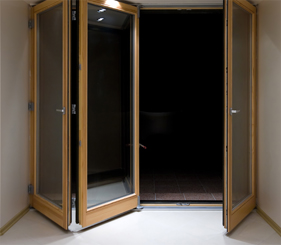
Preserving vintage midcentury features often means selective restoration combined with discreet upgrades. Preserve original sliding doors, built-in cabinetry, and terrazzo or wood floors when feasible. Introduce modern systems—HVAC, ductless mini-splits, low-profile insulation, and modern plumbing fixtures—so they remain invisible within the preserved aesthetic.
Practical tips
- Test for lead paint and asbestos before demo; use licensed abatement contractors for removal or encapsulation.
- Prioritize sealed, hurricane-rated windows that replicate original sightlines rather than cheap replacements that alter proportions.
- Upgrade electrical service early in the timeline to avoid rework during later finishes.
- Choose energy upgrades that don't erase character—thin spray-foam in cavities, interior storm windows, and retrofitted attic ventilation.
Real-world example
Scenario: A 1958 courtyard-style Fort Lauderdale bungalow with original terrazzo floors, single-pane clerestory windows, and knob-and-tube wiring. The project sequence: (1) structural and moisture remediation, (2) electrical service upgrade and knob-and-tube replacement, (3) install hurricane-rated window units matching original profiles, (4) restore terrazzo and refinish built-ins, (5) add a ductless mini-split system to avoid invasive ductwork. The result preserved the open sightlines and flooring while delivering code compliance and comfort improvements.
permits, codes, and trustworthy references
Permitting and code compliance are essential. Fort Lauderdale follows Florida Building Code provisions for coastal zones and Miami-Dade standards for impact resistance in many neighborhoods. For preservation best practices and technical guidance on treatment of historic materials, consult the Secretary of the Interior's standards and related technical resources (Technical Preservation Services) for repair-first approaches: National Park Service — Preservation Standards.
Cost trade-offs and common mistakes
Common trade-offs include:
- Authenticity vs. performance: Exact historic replacements (single-pane wood windows) will underperform modern alternatives; choose replicas with improved glazing when possible.
- Immediate savings vs. lifecycle cost: Cutting corners on moisture management leads to expensive mold and structural repairs later.
- Visible vs. invisible interventions: Saving money by leaving old wiring may necessitate future invasive work; invest in concealed modern systems up front.
Common mistakes
- Demolishing character elements without documentation and sourcing for match replacements.
- Skipping proper hurricane protection or mis-sizing gutters and downspouts in a coastal climate.
- Failing to budget for abatement of hazardous materials discovered during demo.
practical project timeline and contractor selection
Typical phased timeline: 1) Assessment & design (4–8 weeks), 2) Permitting (variable), 3) Structural & envelope work (4–12 weeks), 4) Systems upgrades (2–8 weeks), 5) Finishes and restoration (4–12 weeks). Select contractors with demonstrable experience on midcentury restorations and local code knowledge. Require documented references, insurance, and a clear change-order process.
core cluster questions
- How to repair terrazzo floors in a midcentury house?
- What are cost-effective hurricane upgrades for midcentury homes?
- How to handle lead paint and asbestos during a midcentury renovation?
- Which HVAC options work best without altering midcentury interiors?
- How to find contractors experienced in historic midcentury restoration?
budgeting and value retention
Budget line items to include: hazardous-material abatement, structural repairs, impact-rated windows/doors, roof replacement, electrical panel upgrade, HVAC installation, finishes restoration, and a 10–20% contingency. Preservation-sensitive renovations often retain higher long-term value because originality appeals to buyers seeking midcentury character.
FAQ: What to know before starting
What permits are required for a midcentury home renovation Fort Lauderdale?
Most structural, electrical, roofing, and window replacements require permits through Fort Lauderdale's building department and must meet the Florida Building Code. Coastal properties may need additional documentation for impact resistance and flood-zone compliance; consult local permit officials early.
How much does preserving original terrazzo or wood floors add to the budget?
Restoration costs vary by condition. Terrazzo polishing and repair is often less expensive than full replacement, but expect specialized labor rates. Refinishing original wood floors can also be cost-effective compared with replacement, and both approaches preserve historic value.
How to decide between exact historic replacements and modern upgrades?
Balance visual authenticity with performance goals. Use replicas or custom units that replicate sightlines while meeting energy and storm performance standards. Prioritize reversible and minimally invasive upgrades when historic fabric can be conserved.
What are key hurricane-resilient upgrades for midcentury homes?
Install impact-rated windows and doors, reinforce garage doors, secure roof-to-wall connections, add storm shutters where appropriate, and ensure proper roof attachments and drainage. These measures protect the character of the home while improving resilience.
Can HVAC be upgraded without ruining midcentury interiors?
Yes—options include ductless mini-splits, high-efficiency packaged units with minimal ductwork, or carefully routed ducts concealed in attic or crawl spaces. Plan system upgrades during early design to minimize visible disruption.