Practical Guide: Getting Small Business Loans With Bad Credit
-

- Published Updated
- 472 views
Many owners face the challenge of securing small business loans with bad credit. This guide explains clear steps, lender options, and a named checklist to improve approval odds even when credit scores are low.
Detected intent: Informational
How to succeed at securing small business loans with bad credit
Start by accepting that bad credit raises friction but does not make borrowing impossible. Lenders evaluate multiple inputs: personal and business credit, cash flow, time in business, collateral, and management experience. Use the steps below to position an application that focuses on strengths lenders care about.
C.L.E.A.R. Loan Prep Checklist (named framework)
- Credit: Pull personal and business credit reports, correct errors, and note late items or judgments.
- Lenders: Identify lenders that consider alternative risk factors — community banks, credit unions, microlenders, and alternative online lenders.
- Evidence: Assemble 6–12 months of bank statements, profit-and-loss statements, business plan summary, and tax returns.
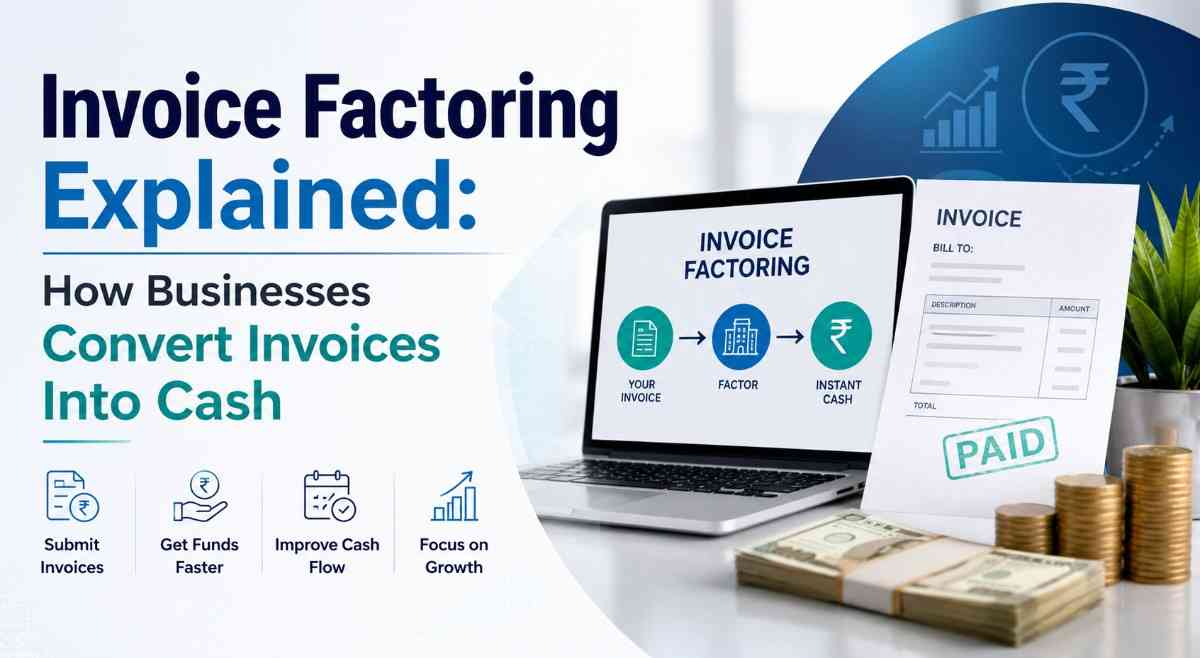
- Alternatives: Map nontraditional products (merchant cash advance, invoice factoring, equipment financing) that match cash flow.
- Repayment: Create a realistic repayment plan and show how funds will increase revenue or reduce costs.
Assess options and compare business loan options for bad credit
Not all lending products are equal. Short-term merchant cash advances and online term loans often accept poorer credit but charge higher rates. Community development financial institutions (CDFIs) and SBA microloan programs can be more forgiving but require paperwork and may have collateral rules. A simple comparison helps select the best fit:
- Microloans — smaller amounts, mission-driven lenders, moderate rates.
- Community bank loans — lower rates if local relationship exists; may require collateral.
- Online lenders — faster decisions, higher costs, flexible underwriting.
- Invoice financing / factoring — good if invoices are strong; cost depends on recourse terms.
For official guidance on small business lending programs and eligibility, see the U.S. Small Business Administration resources on lending programs." SBA loan programs
Practical steps to improve business loan approval odds
Even with poor credit, specific actions can materially increase acceptance chances. These steps focus on strengthening the lender’s confidence in repayment.
1. Improve the application narrative
Explain past credit issues briefly and transparently. Provide documentation that the underlying problems were one-offs (medical bills, temporary income loss) and show current stable cash flow.
2. Strengthen collateral and guarantees
Offering collateral or a co-signer reduces lender risk. Collateral can be equipment, real estate, or accounts receivable. Understand that secured loans can result in asset loss if payments are missed.
3. Use alternative credit data
Some lenders accept utility, rent, and supplier payment histories. Demonstrating consistent on-time business payments helps when formal credit scores understate repayment capacity.
Short real-world example
Scenario: A small café owner has a 580 personal credit score due to a past medical debt. The business has 18 months of steady cash flow and growing foot traffic. Using the C.L.E.A.R. checklist, the owner: corrected two reporting errors on the credit report, gathered 12 months of bank statements, offered the espresso machine as collateral, and applied to a local CDFI for a microloan. The CDFI approved a smaller, 24-month loan with a slightly higher rate but manageable monthly payments tied to projected revenue increases.
Practical tips (3–5 actionable points)
- Pre-qualify with multiple lenders to compare offers without hard credit pulls whenever possible.
- Prepare a brief one-page executive summary showing how loan proceeds will be used and repaid.
- Negotiate fees and look at APR, prepayment penalties, and origination fees — total cost matters more than headline rate.
- Consider a short-term bridge loan or a smaller initial loan to build payment history, then refinance later at better terms.
Trade-offs and common mistakes
When pursuing loans with bad credit, expect trade-offs:
- Higher interest rates and fees for faster access or looser underwriting.
- Tighter covenants or shorter terms that increase monthly payments.
- The risk of using personal assets as collateral — default can mean personal loss.
Common mistakes to avoid:
- Applying to dozens of lenders and accumulating hard credit inquiries.
- Failing to document how funds will improve cash flow (lenders decline vague requests).
- Choosing the cheapest monthly payment without checking total loan cost and fees.
Core cluster questions (content planning targets)
- What are realistic loan amounts available for businesses with poor credit?
- Which lenders accept alternative credit data for small business loans?
- How can collateral improve approval chances for small business loans?
- When is invoice financing better than a term loan for businesses with bad credit?
- What steps rebuild business and personal credit fastest after a default?
How to choose the right lender and product
Match the product to the need: short-term working capital problems fit merchant cash advances or lines of credit; equipment purchases are a fit for equipment financing; steady receivables can support invoice factoring. Evaluate total borrowing cost, repayment schedule, and lender reputation. Community lenders and microlenders prioritize borrower success; online lenders prioritize speed.
Next steps checklist (quick action list)
- Pull credit reports and dispute errors (allow 30–45 days for corrections).
- Assemble 6–12 months of financial records and a one-page loan use statement.
- Identify 3 lender options and pre-qualify to compare terms.
- Decide on collateral or a guarantor if required; get those documents ready.
- Apply with the most appropriate lender and request a decision timeline.
Final considerations
Securing small business loans with bad credit requires preparation, realistic expectations, and sometimes accepting higher cost in exchange for business continuity or growth. Use the C.L.E.A.R. checklist, target lenders that consider alternative signals, and treat a smaller, higher-cost loan as a bridge to refinancing later when credit improves.
FAQ: Can securing small business loans with bad credit still be done?
Yes. Lenders look beyond credit scores in many cases — consistent cash flow, collateral, and alternative data can produce approvals, though often at higher cost.
FAQ: What are affordable business loan options for bad credit?
Affordable options depend on relationships and collateral. Community banks or CDFIs sometimes offer the best rates if the borrower has local ties and clear repayment ability; otherwise, expect higher APRs from online lenders.
FAQ: How long does it take to improve business loan approval odds?
Some actions help immediately (error disputes, adding collateral, preparing stronger financials); credit score improvements can take 3–12 months depending on actions taken.
FAQ: Should a personal guarantor be used to secure a business loan?
A personal guarantor increases approval chances but shifts risk to the guarantor. Consider legal and financial consequences before agreeing.
FAQ: How do alternative lenders evaluate applicants compared to banks?
Alternative lenders emphasize cash flow, recent revenue trends, and business operations rather than long credit histories. That makes them more accessible for businesses with bad credit but typically at a higher price point.