
A Complete Guide to Fitness and Clothing Preparation for Kedarkantha Trek
-
- November 13th, 2025
- 2,620 views

FREE SEO Topical Map Generator: Find Your Next Content Ideas
If you are planning to trek to Kedarkantha Peak, you are about to experience one of the most beautiful winter trails in Uttarakhand. But the real secret to enjoying it lies not just in the view, it is in how well you prepare your body, your gear, and your clothing layers.
The Himalayas reward those who prepare wisely. So before you zip up your backpack and lace up your boots, here’s a complete guide to get you ready for the snow-covered climb to Kedarkantha.
Fitness Preparation: Build Endurance Before the Mountains Do
The Kedarkantha Trek might be called a beginner-friendly trek, but that does not mean it is easy. The altitude reaches around 12,500 feet, and the summit climb is steep and demanding. The better your fitness, the more enjoyable your experience.
Start 8 to 12 Weeks Before Your Trek
Give yourself at least two months to prepare. The trek involves long uphill walks, sometimes through knee-deep snow, carrying a 6 to 8 kg backpack. Your body needs time to adjust to this level of endurance.
Sample Weekly Fitness Plan:
Weeks 1 to 4:
- Brisk walk or jog for 45 to 60 minutes, five days a week.
- Focus on increasing stamina rather than speed.
- Add 15 to 20 minutes of stair climbing twice a week.
Weeks 5 to 8:
- Include one long walk or hike of 8 to 10 km with a 3 to 4 kg backpack.
- Add bodyweight strength training such as squats, lunges, calf raises, push-ups, and planks.
- Practice short sprints or hill runs to simulate steep sections.
Weeks 9 to 12 (final phase):
- Try walking or jogging 10 to 12 km once a week.
- Carry a heavier backpack of 5 to 6 kg.
- Stretch regularly and include yoga for flexibility and breathing control.
Strength and Core Training
Trekking is not just about walking. Your legs, back, and shoulders all work together. A strong core keeps you stable when climbing steep snow slopes or balancing on icy terrain.
Simple exercises you can do:
- Legs: squats, lunges, and calf raises (3 sets of 15 repetitions each).
- Core: planks, mountain climbers, and bicycle crunches (30 to 45 seconds each).
- Upper body: push-ups, pull-ups, and light dumbbell lifts for shoulder strength.
Breathing and Altitude Readiness
Kedarkantha’s trail starts from Sankri at about 6,400 feet and rises steadily. At higher camps like Juda ka Talab and the summit base, oxygen levels drop. Practice deep breathing exercises or pranayama daily. It helps your lungs adapt better to thinner air.
Acclimatization Tips
- Even if you are fit, the change in altitude can affect you. Acclimatization is about letting your body adjust slowly.
- Arrive in Sankri a day early. This extra rest day helps your body adapt to the mountain air.
- Stay hydrated. Drink at least 3 to 4 liters of water daily.
- Climb slow and steady. Avoid racing ahead. Follow your trek leader’s pace.
- Eat light but regularly. Small, warm meals help maintain energy.
- Avoid alcohol and caffeine. Both dehydrate you and can worsen altitude symptoms.
Common symptoms of mild altitude sickness include headache, fatigue, nausea, and dizziness. If you experience these, stop climbing, rest, and inform your trek leader.
Clothing Preparation: Dress in Layers, Stay Warm and Dry
In the Himalayas, the weather changes faster than you can unzip your jacket. Layering is the secret. It traps heat and lets you adjust easily when conditions shift from sunny to snowy.
Think of your clothing as a three-layer system.
Base Layer: Your Second Skin
- The base layer keeps sweat away from your body. You will wear it most of the time.
- Carry 2 to 3 pairs of moisture-wicking thermal tops and bottoms. Avoid cotton because it traps sweat.
- Merino wool or synthetic blends work best. Change into a fresh base layer at night to stay dry and warm inside your sleeping bag.
Insulation Layer: The Warmth Shield
- This is what keeps you cozy during cold evenings and the summit climb.
- Carry a fleece jacket or a down jacket rated for 0°C to -10°C.
- On summit day, wear your insulation layer over your thermals and under your windproof jacket.
- Fleece pullovers are great for mid-layer warmth during daytime hikes.
Outer Layer: The Weather Armor
- This layer protects against snow, wind, and rain.
- A waterproof and windproof jacket with a hood is essential.
- Waterproof trekking pants or a rain poncho will keep your legs and backpack dry.
- Avoid bulky coats. Choose lightweight, breathable materials with good insulation.
Essential Clothing List for Kedarkantha
- Base Layer: 2 to 3 pairs of moisture-wicking thermals.
- Insulation: 1 fleece and 1 down jacket rated for subzero conditions.
- Outer Layer: Windproof and waterproof jacket with pants.
- Trekking Pants: 2 quick-dry stretchable pairs, 1 insulated for summit day.
- Tops: 2 to 3 quick-dry, full-sleeve shirts to prevent sunburn.
- Socks: 4 to 5 pairs of wool or synthetic socks.
- Gloves: 1 warm liner pair and 1 waterproof pair for snow protection.
- Headwear: Woolen cap for night, sun hat for day, and neck gaiter for extra warmth.
- Footwear: Waterproof high-ankle boots, gaiters for snow, and lightweight camp shoes.
- Accessories: Sunglasses with UV protection, trekking poles, headlamp, toiletries, and a thermal water bottle.
Footwear: Your Most Important Gear
- Blisters can ruin even the most scenic trek, so your boots deserve special attention.
- Choose waterproof, high-ankle trekking boots with firm grip.
- Avoid brand-new shoes on the trek. Wear them during training for at least two to three weeks to break them in.
- Make sure there is room for two layers of socks without pressure points.
- Carry gaiters to prevent snow from entering your boots.
- Bring lightweight camp shoes or sandals for evenings.
Backpack and Gear Essentials
A well-organized backpack can make your trek much easier.
- Backpack: Choose one between 65 and 75 liters with padded shoulder straps, a hip belt, and a rain cover. Keep the weight balanced with heavier items close to your back and lighter ones on top. Aim for a total packed weight of 8 to 10 kg including water.
- Sleeping Bag: Use a subzero-rated sleeping bag suitable for temperatures down to -10°C.
Accessories:
- Trekking poles for balance and to protect knees on descent.
- Headlamp with extra batteries for early morning summit climbs.
- Water bottles or hydration bladder, plus a thermal bottle for hot water.
- Energy snacks such as dry fruits, nuts, and granola bars.
- UV-protected sunglasses to prevent snow blindness.
- Biodegradable toiletries, sunscreen (SPF 50+), and lip balm.
First Aid and Health Essentials
Always carry a personal first-aid kit that includes:
- Painkillers and anti-inflammatory tablets.
- Altitude sickness medicine (after medical consultation).
- Band-aids, antiseptic cream, and blister patches.
- ORS packets for hydration.
- Any prescribed medicines.
Nutrition and Hydration on the Trek
- Your body burns more energy in cold weather and high altitude. Eating right keeps you warm and active.
- Eat balanced meals that include carbohydrates like rice, chapati, and potatoes, and proteins like dal and eggs.
- Snack often with nuts, dry fruits, and granola bars.
- Keep yourself hydrated by drinking small sips of water throughout the day.
- Avoid alcohol and caffeine because they increase dehydration and the risk of altitude sickness.
How to Prevent and Treat Altitude Sickness on Kedarkantha
Most trekkers acclimatize easily on Kedarkantha since it is an easy-moderate-altitude trek, but prevention is always better.
- Climb gradually and rest well at each campsite.
- Stay hydrated at all times.
- Do not skip meals because low energy leads to faster exhaustion.
- Avoid sleeping pills and alcohol.
- Recognize early symptoms like headache, nausea, dizziness, or breathlessness. If symptoms get worse, descend immediately and consult your trek leader.
Packing Checklist for a 4 to 6 Day Kedarkantha Trek
- Backpack of 65 to 75 liters with rain cover.
- Optional daypack of 20 to 30 liters.
- Subzero-rated sleeping bag.
- Trekking poles.
- Clothing layers: thermals, fleece, and jackets.
- Footwear: trekking boots and camp shoes.
- Socks and gloves (4 to 5 pairs).
- Rain gear such as poncho or jacket.
- Sunglasses, gaiters, and headlamp.
- Compact biodegradable toiletries.
- Energy snacks like nuts and bars.
- First aid kit and prescribed medicines.
Keep your total backpack weight under 10 kg. Lighter bags make for a much happier trek.
Final Word About Kedarkantha Trek: Prepare Well, Trek Better
Preparing for Kedarkantha Trek is not just about physical readiness, it is about respecting the mountains. When you are fit, well-dressed, and well-equipped, the trek becomes less of a struggle and more of a joy.
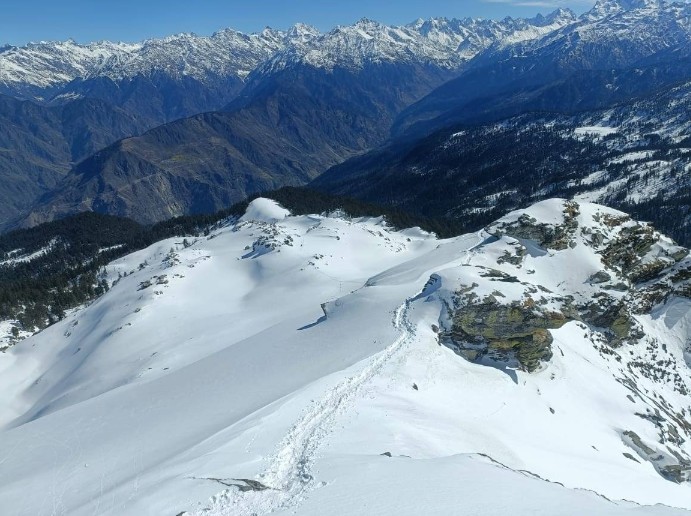
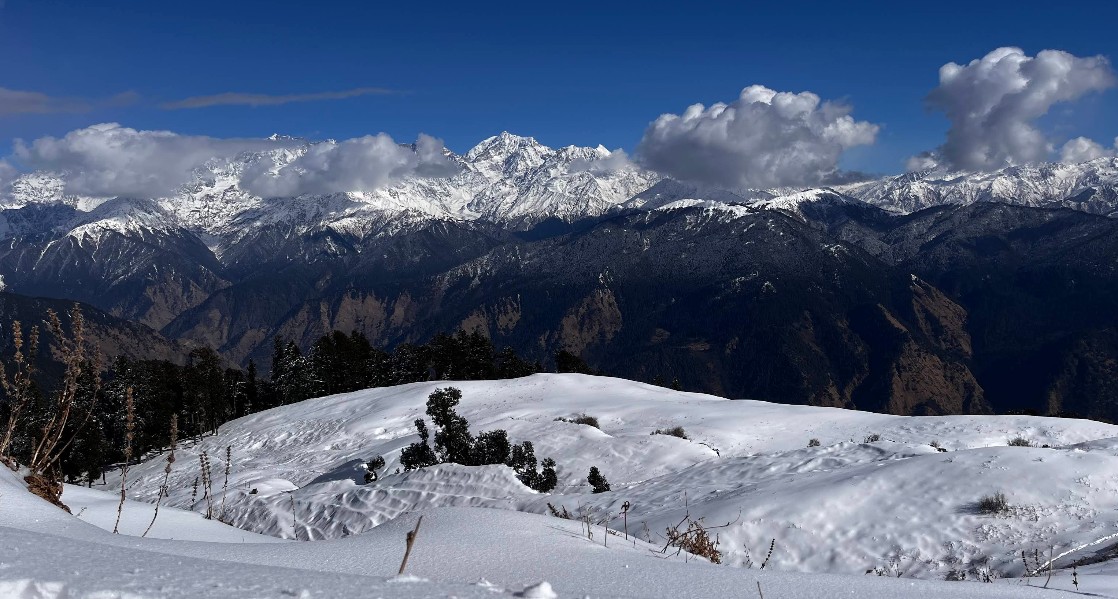
You will climb through pine forests, camp beside the frozen Juda ka Talab, and reach the summit to see the sun rise over the Himalayas, with peaks like Swargarohini, Black Peak, and Bandarpoonch glowing golden in the distance.
That is the moment when you will feel that every bit of your preparation was truly worth it.
Related Posts

Note: IndiBlogHub is a creator-powered publishing platform. All content is submitted by independent authors and reflects their personal views and expertise. IndiBlogHub does not claim ownership or endorsement of individual posts.
Please review our Disclaimer and Privacy Policy for more information.
