Adventure Tourism in Scotland: Top Destinations, Routes & Practical Guide
-

- March 11th, 2026
- 463 views
Planning a trip focused on adventure tourism in Scotland means choosing terrain, weather and activities that suit skill level and time available. This guide lays out the top destinations, realistic routes, safety checklist and practical tips for hiking, climbing, kayaking, mountain biking and winter sports in Scotland's diverse landscapes.
- Top destinations: Cairngorms, Isle of Skye, Torridon & Wester Ross, Glencoe, Outer Hebrides.
- Main activities: hillwalking, wild camping, rock climbing, sea kayaking, coasteering, mountain biking.
- Framework: PEAK checklist (Prepare, Equipment, Awareness, Knowledge).
- Detected intent: Informational
Top regions for adventure tourism in Scotland
Scotland's regions offer concentrated opportunities for specific adventure sports. Use this regional overview to match goals, season and fitness level before booking transport or guided services.
Cairngorms National Park — mountains, winter sports and long-distance routes
The Cairngorms are ideal for multi-day hillwalking, winter mountaineering and mountain biking. Routes like the Lairig Ghru and climbs of Cairn Gorm and Ben Macdui suit experienced walkers; the area also hosts structured winter training and avalanche awareness courses run by local mountaineering clubs and mountain rescue teams.
Isle of Skye — scrambling, sea cliffs and island adventure
Skye's Cuillin Ridge is world-class for scrambling and technical mountaineering; sea cliffs around Neist Point and Kilt Rock provide sea-level challenges and sea kayaking access. Allow extra time for changeable weather and ferry or road delays.
Glencoe and Ben Nevis — classic Scottish technical routes
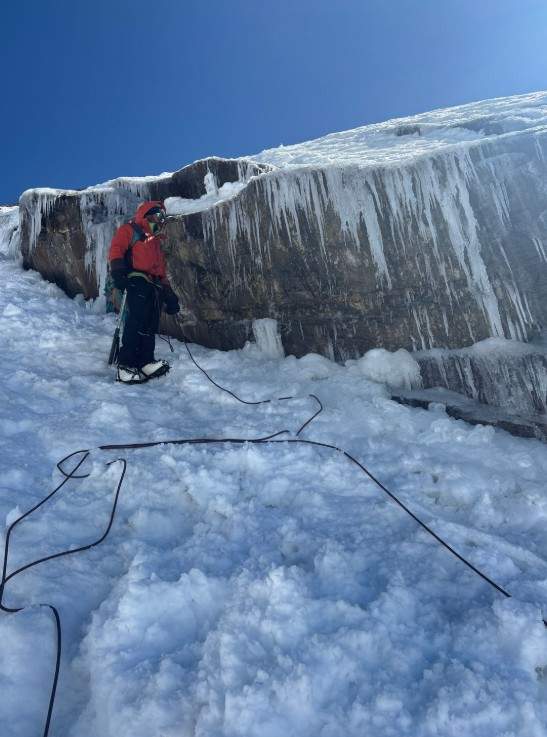
Glencoe offers classic scrambles and winter ice routes. Ben Nevis is the UK's highest peak and a training ground for endurance hikes and winter mountaineering. Use local Mountain Rescue advice and check the Met Office forecast before attempting exposed routes.
Torridon & Wester Ross — remote peaks and coastal adventures
Steep Torridon peaks (Liathach, Beinn Eighe) reward experienced climbers with steep ridges and technical scrambling. Wester Ross beaches and sea caves are well suited to coasteering and sea kayaking trips, with options for guided tours along sheltered summer routes.
Outer Hebrides & Orkney — sea kayaking and wildlife-focused expeditions
Island hopping, sea kayaking across sheltered channels, and wild camping on white-sand beaches make the Outer Hebrides a different kind of adventure: navigation and weather planning are essential.
Choosing the right activity: matching risk, skill and season
Adventure tourism in Scotland spans low-risk guided activities to high-risk technical mountaineering. Consider the following categories and trade-offs:
- Low to moderate risk: guided sea kayaking, mountain biking on waymarked trails, coasteering with operators.
- Moderate to high risk: scrambling and multi-pitch rock climbing on Skye and Glencoe.
- High risk: winter mountaineering, winter ice climbs, and remote winter expeditions requiring avalanche training.
Common mistakes and trade-offs
Common mistakes include underestimating weather impact, packing inadequate clothing, and relying on phone GPS without backup navigation. Trade-offs often center on convenience versus exposure: popular base towns (Fort William, Aviemore, Portree) offer amenities but may add travel time to remote routes; remote bases reduce crowds but require more self-sufficiency.
Trip planning framework: PEAK checklist
Use the PEAK checklist to prepare a safe, achievable adventure:
- Prepare — research route, permits, local regulations and transport; download maps and plan time buffers.
- Equipment — match kit to activity and season; include shelter, navigation, first aid and emergency communication.
- Awareness — monitor forecasts (Met Office) and local mountain rescue notices; be aware of tides for coastal activities.
- Knowledge — ensure skills for terrain (navigation, ropework, avalanche awareness) or hire a certified guide.
- Checklist completion: confirm vehicle parking, accommodation or wild camping legality, and emergency contacts.
Sample 2-day scenario: Isle of Skye scrambling and coastal paddling
Example: Day 1 — early ferry arrival and a guided half-day sea kayak around the Trotternish coastline, watching for seals and sea cliffs. Day 2 — Cuillin Ridge approach with a local mountain guide for a half-day scramble on a moderate ridge, returning via Glen Brittle. This balances technical exposure with sea-based recovery and demonstrates combining activities in one region.
Practical tips for adventure travel in Scotland
- Book flexible travel: roads and ferries can be delayed by weather; allow spare days for weather-dependent activities.
- Layer for conditions: windproof, waterproof outer layer and robust footwear are essential even in summer.
- Download offline maps and carry a compass; phone coverage is limited in remote areas.
- Check tide tables for coastal routes and plan escape routes for cliffs and caves.
- Engage local expertise: mountain guides, Sea Kayak instructors, and local mountain rescue teams provide current conditions and safer route choices.
Core cluster questions
- Which Scottish regions are best for beginner-friendly hiking and mountain biking?
- How to plan a multi-day scrambling route on the Isle of Skye?
- What safety training is recommended before attempting winter mountaineering in Scotland?
- Where to find local guides and certified operators for sea kayaking and coasteering?
- How to combine wildlife watching with coastal adventure activities?
For official travel guidance and regional resources, consult the national tourism body: VisitScotland.
Packing and safety checklist
- Navigation: map, compass, GPS device with spare battery.
- Clothing: base layer, insulating mid-layer, waterproof shell, hat and gloves.
- Emergency: whistle, headlamp, emergency shelter or bivvy, basic first-aid kit.
- Activity-specific: helmet and harness for climbing, buoyancy aid for kayaking, crampons and ice axe for winter.
Choosing guided services vs. self-led trips
Guided services reduce planning load and increase safety for technical or unfamiliar activities; they add cost but often provide access to local knowledge, equipment and emergency procedures. Self-led trips can be cheaper and more flexible but require stronger navigation skills and redundancy in kit and communication plans.
FAQ: What is the best time for adventure tourism in Scotland?
Summer (June–August) gives longer daylight and milder conditions for most activities, but midges can be a nuisance in lowland and coastal areas. Late spring and early autumn offer quieter trails with variable weather. Winter (December–February) is for experienced winter mountaineers and skiers; check avalanche forecasts and take appropriate training.
FAQ: Are permits required for wild camping or coastal camping?
Wild camping is generally permitted in much of Scotland under the Land Reform Act where it is practiced responsibly and in remote areas; local rules, byelaws, and protected site restrictions apply. Confirm regulations for specific sites and respect local guidance.
FAQ: How to minimize environmental impact while on Scottish trails?
Follow Leave No Trace principles: camp on durable surfaces, pack out all waste, avoid disturbing wildlife and maintain distance from breeding sites for seabirds and other sensitive species.
FAQ: What gear is essential for sea kayaking in the Outer Hebrides?
Core gear: spraydeck, buoyancy aid, dry bags, spare paddle, signaling devices and knowledge of tidal streams. A guide or operator is recommended for unfamiliar waters.
FAQ: Which areas offer the best places for hiking in Scotland for varied skill levels?
Beginner-friendly: Loch Lomond & The Trossachs and parts of the Cairngorms. Intermediate to advanced: Glencoe, Torridon and the Isle of Skye. Match route difficulty to navigation and endurance skills before setting out.
Use local resources, registered guides, and the PEAK checklist to plan a safe, memorable adventure. With the right preparation and respect for weather and terrain, Scotland offers world-class routes for walkers, climbers, paddlers and cyclists alike.