Real Estate Tokenization Companies: Top Providers, How They Work, and What to Watch
-

- Published Updated
- 610 views
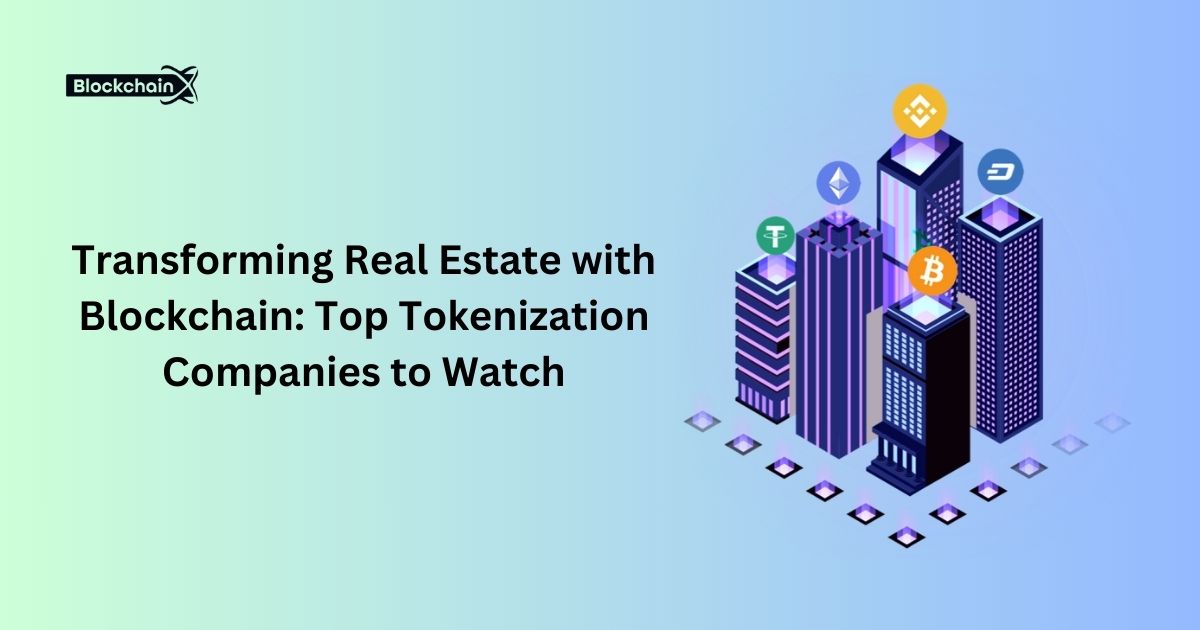
The growing interest in blockchain-based assets has pushed institutional and retail investors to evaluate real estate in a new form. This guide covers real estate tokenization companies, how they differ, and what to watch when selecting a provider.
Detected intent: Commercial Investigation
Primary keyword: real estate tokenization companies
Secondary keywords: property tokenization platforms, real estate tokenization benefits
What this guide includes: explanation of tokenization models, a named TOKEN checklist, example scenario, practical tips, trade-offs and common mistakes, and five core cluster questions for further reading.
What are real estate tokenization companies and why they matter
Real estate tokenization companies build platforms and services that convert property ownership or cash flows into digital tokens on a blockchain. These tokens can represent equity, debt, or rights to rental income, and they enable fractional ownership, faster settlement, and automated compliance using smart contracts. The practical appeal includes broader investor access, more efficient secondary markets, and programmable governance.
Top real estate tokenization companies: categories and examples
Providers typically fall into clear categories: technology platforms, securities-focused issuers, marketplace operators, and end-to-end tokenization firms. The best fit depends on whether the goal is a regulated security issuance, a fractionalized private-market listing, or an internal ledger for asset management.
Technology platforms
These companies supply the smart contract templates, token standards (for example, ERC-20 and ERC-1400), custody integrations, and APIs that developers and issuers use. They focus on interoperability, security audits, and compliance modules such as KYC/AML connectors.
Securities-focused issuers and compliance-first firms
Firms that concentrate on security token offerings handle structuring, legal wrappers, transfer restrictions, and compliance workflows. They often integrate with broker-dealers and transfer agents to meet local securities laws.
Marketplace operators and exchanges
These businesses create liquidity by listing tokenized properties on secondary markets. They add order-book mechanics, price discovery, and market-making features to improve tradability.
End-to-end tokenization firms
End-to-end providers offer asset onboarding, valuation, token issuance, distribution, and secondary market support. They typically coordinate legal documentation, investor onboarding, and ongoing reporting.
How property tokenization platforms work: key components
Property tokenization platforms combine several modules: legal structuring (special purpose vehicles or contractual rights), token minting on a blockchain, investor onboarding and KYC, custody and wallet services, and a trading environment or registry for transfers. They also implement compliance layers that can enforce transfer restrictions at the token level.
Standards, custody, and compliance
Reliable providers adopt open token standards and integrate institutional custody solutions. For regulatory context and guidance on digital assets and securities, review official agency resources such as the U.S. Securities and Exchange Commission's materials on digital assets (SEC: Digital Assets).
TOKEN checklist: a repeatable framework to evaluate providers
Use the TOKEN checklist when comparing vendors. TOKEN is a simple, five-point framework tailored to real estate tokenization evaluations.
- Trust & compliance — Does the company support required legal wrappers, KYC/AML, and known custodian integrations?
- Operational scope — Does the provider offer end-to-end services or modular APIs for custom workflows?
- Know-how — Are there audited smart contracts, experienced legal partners, and case studies that demonstrate live issuances?
- Economics & liquidity — How are fees structured, and are there active secondary market channels or market-making arrangements?
- Native functionality — Does the solution support dividends, investor rights management, and role-based access for asset managers?
Real-world example: tokenizing a mixed-use building
A real estate fund decides to raise capital for a mixed-use redevelopment by issuing 10,000 tokens representing fractional ownership in an SPV that owns the property. The issuer uses a property tokenization platform to:
- draft the SPV structure and investor subscription agreement with a law firm;
- mint security tokens with built-in transfer restrictions tied to accredited investor checks;
- onboard investors through an integrated KYC provider and distribute tokens to custodial wallets;
- list the tokens on a licensed secondary marketplace for accredited investors to provide liquidity.
Outcome: Faster capital formation, fractional ownership opening the deal to smaller investors, and an auditable ledger for ownership and distributions.
Practical tips for choosing property tokenization platforms
- Prioritize regulatory fit: ensure the provider supports the legal framework required in the issuer's jurisdiction and integrates with licensed broker-dealers or transfer agents where necessary.
- Request smart contract audits and documentation: insist on third-party security audits and clear upgrade/bug remediation policies.
- Verify custody and wallet options: custody for security tokens should meet institutional standards, with options for insured cold storage when applicable.
- Evaluate secondary market access: assess partner marketplaces and historical liquidity on similar offerings.
- Compare fee structures and transparency: one-time issuance fees, recurring platform fees, and marketplace commissions all affect returns.
Trade-offs and common mistakes when working with tokenization companies
Common trade-offs
Adopting tokenization can improve liquidity but introduce regulatory complexity. Using a turnkey provider speeds time-to-market but may limit customization. Choosing a bleeding-edge blockchain can reduce costs but increase counterparty risk; established blockchains may have higher fees but broader tooling and custody support.
Common mistakes to avoid
- Skipping legal validation: assuming a token is "non-security" without counsel and regulatory checks.
- Ignoring liquidity planning: issuing tokens without a credible secondary market plan reduces investor confidence.
- Underestimating operational burden: post-issuance reporting, distributions, and governance require processes and systems.
Core cluster questions for internal linking and further research
- How does fractional ownership through tokens differ from REIT shares?
- What legal structures are commonly used for tokenized real estate?
- How do custody solutions for security tokens work?
- What are typical fee models for property tokenization platforms?
- How is investor accreditation and KYC enforced on tokenized real estate platforms?
Regulatory and operational considerations
Tokenized real estate often falls under securities law when tokens represent ownership or expected returns. That requires careful structuring, disclosures, and often collaboration with licensed intermediaries. Operationally, ensure clear processes for distributions, investor communications, and dispute resolution.
Conclusion: where tokenization adds the most value
Tokenization companies enable new capital-raising methods, fractional access, and improved transfer mechanics, especially for illiquid assets. The right choice depends on regulatory needs, desired liquidity, and how much of the process should be outsourced versus controlled in-house. Use the TOKEN checklist, validate smart contract audits and custody options, and plan for secondary-market access before launching a tokenized offering.
What are the best real estate tokenization companies?
There is no single "best" provider for every use case. Evaluate companies by the TOKEN criteria above, check for audited contracts and compliance integrations, and demand references from prior issuances. Compare fees, custody options, and secondary marketplace partnerships to match objectives.
How secure are tokens representing property ownership?
Security depends on smart contract quality, custody practices, and legal wrapper integrity. Require third-party audits, institutional-grade custody, and clear legal documentation to mitigate operational and technical risk.
Can non-accredited investors buy tokenized real estate?
Whether non-accredited investors can participate depends on the jurisdiction and the legal structure used. Some jurisdictions permit retail participation with added disclosure and investor protections; others restrict participation to accredited or qualified investors.
How do tokenized assets handle distributions and voting?
Tokens can encode distribution logic and voting rights in smart contracts or reference off-chain processes managed by an administrator. Confirm how rights are exercised and how off-chain legal claims are enforced before investing.
What are the tax implications of investing in tokenized real estate?
Tax treatment varies by jurisdiction and the legal form of the tokenized interest (equity, debt, or contractual right). Consult tax counsel for withholding, capital gains, and reporting obligations tied to tokenized property investments.