How to Choose the Best IPTV Services in 2024: Comparison, Checklist & Tips
-

- May 07th, 2026
- 773 views

FREE SEO Topical Map Generator: Find Your Next Content Ideas
Finding the best IPTV services 2024 requires comparing channels, reliability, device support, and legal status before subscribing. This guide explains how to evaluate providers, the trade-offs to expect, and a practical checklist that applies to most streaming setups.
- Detected intent: Commercial Investigation
- Goal: compare, vet, and pick a reliable IPTV provider without overlooking legal or technical risks
- Main decision factors: channel lineup, uptime & bitrate, device compatibility, customer support, and legality
- How do IPTV providers differ in channel availability and quality?
- What device types work best with IPTV subscriptions?
- How to check whether an IPTV service is legal and safe?
- Which network settings improve IPTV streaming performance?
- What features separate premium IPTV services from budget options?
best IPTV services 2024 — what to compare first
When evaluating candidates for the best IPTV services 2024, check channel lists (live and VOD), supported streaming formats (HLS, MPEG-DASH), EPG support, simultaneous streams, and device compatibility (Android TV, Fire TV, smart TVs, set-top boxes). Also assess uptime guarantees, average bitrate, and whether the provider offers trial access or short-term plans for testing.
How IPTV works and what affects quality
IPTV delivers television over an Internet Protocol network rather than terrestrial or satellite signals. Key technical terms include bitrate (affects image quality), latency (affects live-event delay), transcoding (format conversion), and EPG (electronic program guide). Network bandwidth and provider CDN/backbone performance have more impact on viewing quality than advertised channel counts.
STREAM checklist: a named framework for picking a provider
Use the STREAM checklist to compare providers consistently:
- Security: encryption, account controls, and privacy policy.
- Transparency: clear pricing, refund and trial terms, and channel sources.
- Reliability: uptime stats, CDN partners, and server locations.
- EPG & extras: VOD library, DVR/cloud recording, multi-language support.
- Access: supported devices and official apps.
- Maintenance & support: response times, status pages, and community reviews.
Real-world example: choosing an IPTV plan for a family
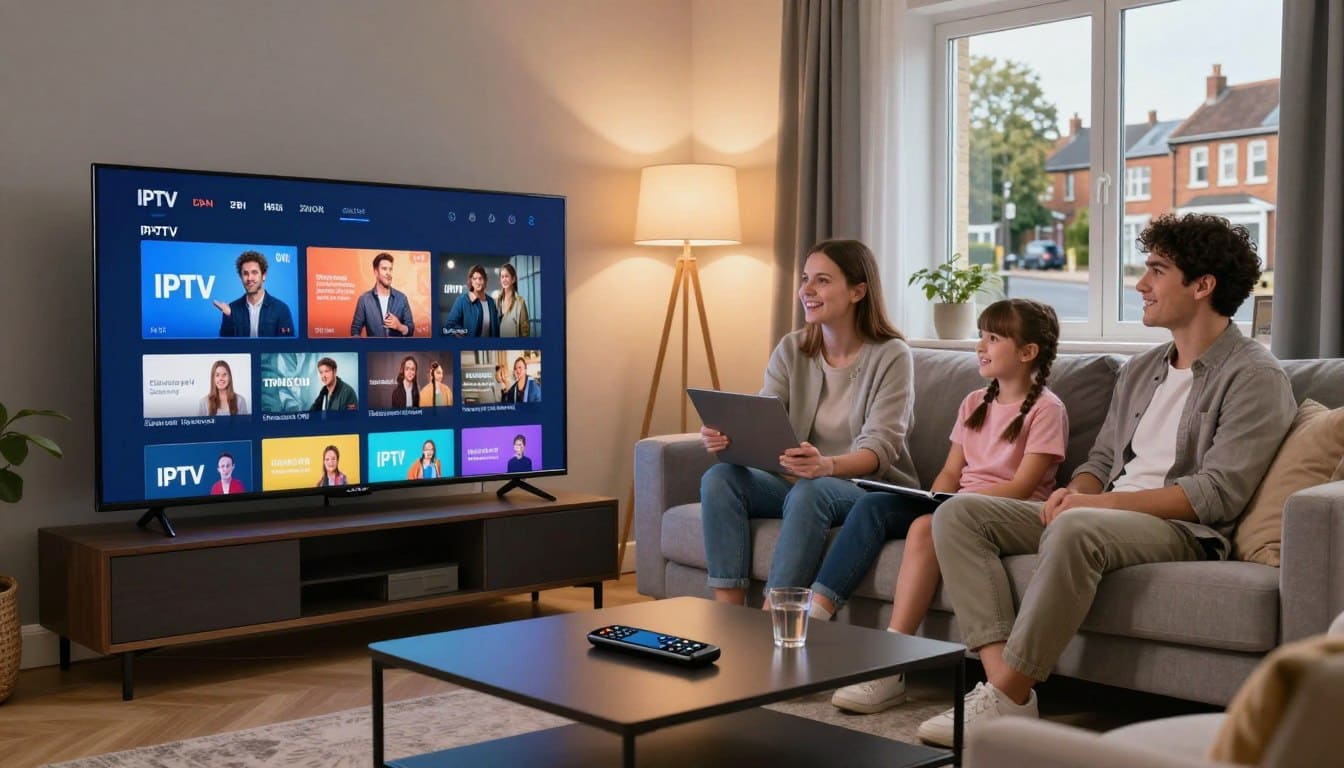
Scenario: A household wants live sports, local news, and family channels for two TVs and one mobile device. Applying the STREAM checklist narrows choices: prioritize plans with reliable HD sports feeds, at least three simultaneous streams, an EPG, and native apps for the smart TV and mobile OS. Try a one-month plan or trial, check peak-hour performance, and confirm refund policy before committing to an annual plan.
Practical tips for a smoother IPTV experience
- Use a wired Ethernet connection for primary set-top boxes to reduce latency and buffering; Wi‑Fi is okay for mobile viewing but test performance during peak hours.
- Test a provider using a short-term plan or trial to verify channel availability and stream stability on actual devices used at home.
- Verify simultaneous stream limits and how account sharing is handled; downgrade expectations if the plan restricts concurrent connections.
- Enable HEVC/H.265 support on devices for better bandwidth efficiency if the provider offers it.
- Keep firmware and apps up to date; many playback issues stem from outdated player software or OS versions.
Common mistakes and trade-offs when picking IPTV
Common mistakes include choosing solely on price, ignoring legal status, assuming all channels are the same across regions, and skipping a test period. Trade-offs often involve price vs. stability: very cheap services may cut costs by using unstable streams or unauthorized sources, while premium services tend to invest in CDNs and support but cost more.
Legal considerations and consumer protection
Not all IPTV services distribute channels with proper licensing. Confirm whether the provider discloses content sources and terms of service. For general consumer guidance and rights related to broadcast and online services, consult official consumer resources such as the FCC consumer pages for best-practice and legal information: https://www.fcc.gov/consumers.
Device compatibility and setup checklist
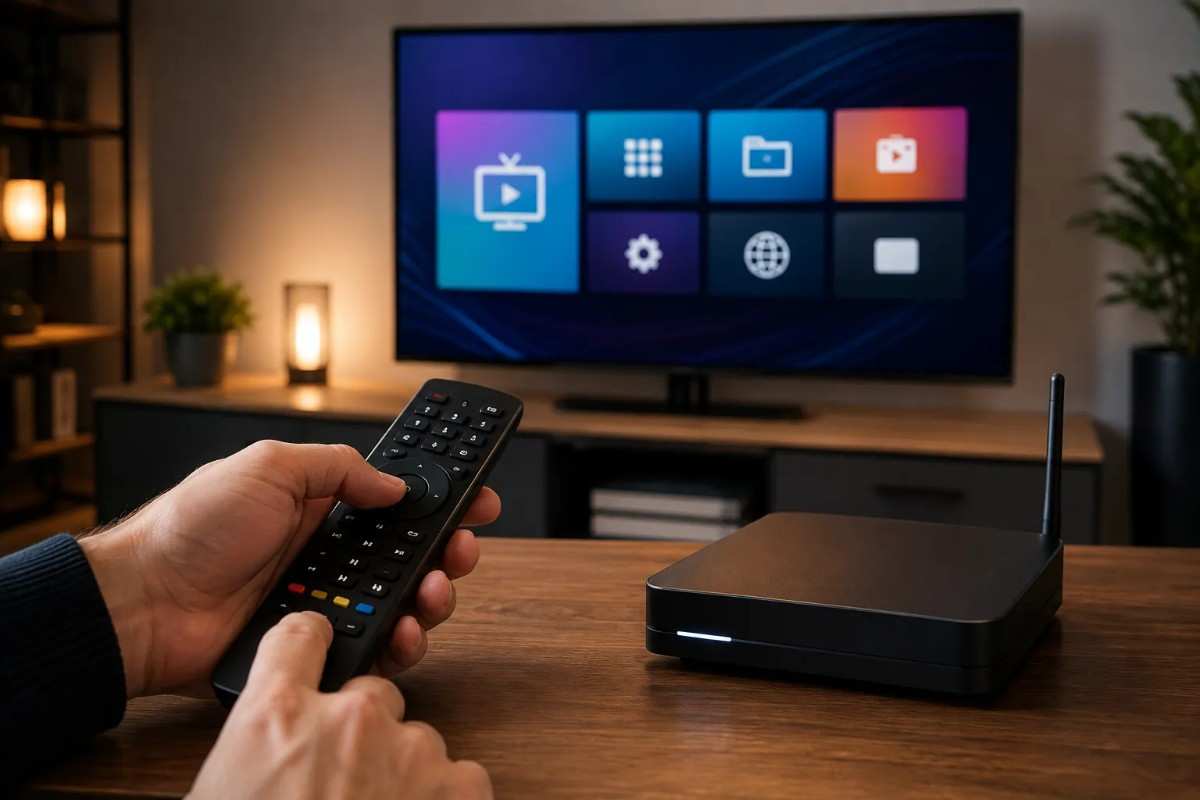
Before subscribing, ensure apps or supported playlist formats (M3U, Xtream Codes API) work on intended devices. Check whether the provider supports:
- Smart TVs (Tizen, webOS)
- Android TV and Amazon Fire TV
- Dedicated set-top boxes and Kodi/third-party players (if applicable)
- Mobile apps for iOS and Android
FAQ: What are the best IPTV services 2024?
There is no single “best” provider for every household. The best IPTV services 2024 for one user depend on required channel packages, device compatibility, budget, and tolerance for potential legal or reliability issues. Use the STREAM checklist and a trial period to identify the best fit.
Are IPTV services legal and how to verify legality?
IPTV is a distribution method; legality depends on licensing for the content. Verify legality by checking whether the provider publishes licensing information, uses recognized partners or CDNs, and offers transparent terms of service. Licensed mainstream services typically advertise rights and partner details.
What minimum internet speed is needed for reliable IPTV?
For stable HD streams, plan for at least 5–10 Mbps per HD stream and 15–25 Mbps per 4K stream. Add headroom for multiple simultaneous streams and other household usage. Wired connections reduce variability.
How to test an IPTV service before committing?
Use a trial or short-term subscription, test during peak viewing hours, verify EPG accuracy, try channel zaps and live sports, and confirm device compatibility. Keep records of streaming quality and provider response times for support requests.
Can IPTV replace cable or satellite TV?
IPTV can replace traditional pay TV for many users, especially those focused on live sports, news, and on-demand libraries. However, local channels, certain niche networks, and reliable customer-support expectations vary—so compare features and legal standing before switching.