Common Orthopaedic Conditions: Symptoms, Diagnosis, and Treatment Guide
-

- March 12th, 2026
- 550 views
The phrase "common orthopaedic conditions" covers a wide range of musculoskeletal problems that affect joints, bones, muscles, ligaments, and tendons. This practical guide explains the most frequent diagnoses, typical orthopaedic conditions symptoms, diagnostic steps, treatment for orthopaedic injuries, prevention strategies, and when to see an orthopaedist.
- Most common orthopaedic conditions include osteoarthritis, fractures, sprains, tendonitis, rotator cuff injuries, ACL and meniscal tears, and back pain.
- Diagnosis relies on history, physical exam, and targeted imaging (X-ray, MRI, ultrasound).
- Initial care favors conservative options: activity modification, exercise, physical therapy, medications, and injections; surgery is considered when conservative care fails or in specific injury patterns.
Common Orthopaedic Conditions: Overview
Common orthopaedic conditions span degenerative, inflammatory, traumatic, and congenital causes. Degenerative problems like osteoarthritis or age-related tendon wear are widespread. Acute injuries include fractures, dislocations, and ligament tears. Inflammatory conditions include bursitis and some forms of arthritis. Understanding the category helps set expectations for recovery and treatment.
Typical diagnoses and related terms
- Osteoarthritis, rheumatoid arthritis
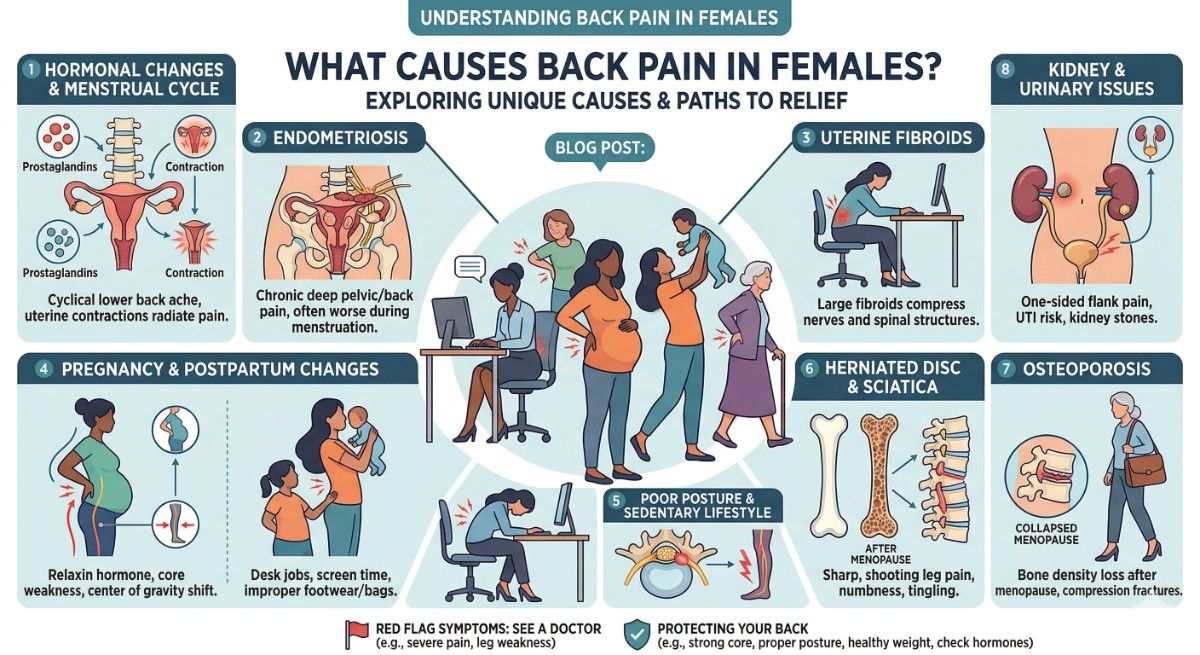
- Degenerative disc disease, sciatica, chronic low back pain
- Rotator cuff tears, impingement, shoulder instability
- ACL tears, meniscal injuries, knee ligament sprains
- Fractures (proximal femur, wrist, ankle), stress fractures
- Tendonitis, bursitis, carpal tunnel syndrome
Recognizing orthopaedic conditions symptoms
Key symptoms to note are pain location and behavior, swelling, joint instability, reduced range of motion, mechanical signs (locking or catching), and functional limitations—for example inability to bear weight on a leg. Acute injuries often present with sudden pain and loss of function; degenerative conditions usually cause progressive pain and stiffness.
Diagnosis and tests
Diagnosis combines a focused medical history, a targeted physical exam, and selective imaging. Plain X-rays evaluate bone alignment and degenerative changes. MRI shows soft-tissue detail (ligaments, cartilage, menisci, rotator cuff) while ultrasound is useful for dynamic tendon assessment. Blood tests are indicated if inflammatory or infectious causes are suspected. For authoritative recommendations on diagnostic pathways, refer to professional guidance such as the American Academy of Orthopaedic Surgeons (AAOS).
Practical diagnostic checklist: ORTHO-ASSESS
An easy-to-remember checklist for initial evaluation:
- Observe: swelling, deformity, gait
- Range: active and passive motion
- Tenderness: point-specific palpation
- History: mechanism, onset, prior injuries
- Orthopaedic tests: stability, special tests
- Strength: manual muscle testing and function
- Special imaging: order X-ray, MRI, or ultrasound as needed
Treatment options and when to consider surgery
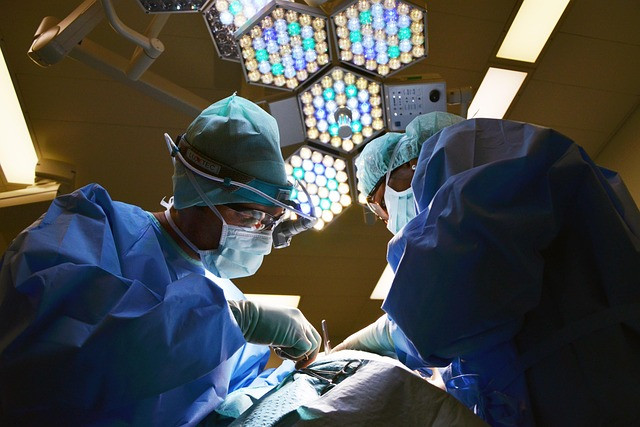
Treatment for orthopaedic injuries typically begins with nonsurgical measures: activity modification, ice/heat as appropriate, short-term analgesics or anti-inflammatory medication, targeted physiotherapy, and functional bracing. Injections (corticosteroid, hyaluronic acid, or platelet-rich plasma) are options for selected conditions. Surgery is indicated for unstable fractures, displaced ligament tears in active patients, advanced joint degeneration with functional impairment, or when conservative care fails.
Comparing nonoperative and operative approaches
- Nonoperative care: lower immediate risk, useful for most overuse and degenerative problems, requires time and adherence to rehab.
- Operative care: can offer definitive repair or reconstruction but involves surgical risk, recovery time, and variable long-term outcomes depending on patient factors.
Prevention, rehabilitation, and self-care
Prevention and rehab focus on restoring strength, correcting movement patterns, and protecting vulnerable joints. Weight management, progressive resistance training, flexibility work, and ergonomic adjustments reduce recurrence. For athletes, gradual return-to-play protocols and sport-specific conditioning are critical.
Practical tips
- Start low-impact aerobic activity (walking, swimming, cycling) after acute inflammation decreases to maintain fitness without joint overload.
- Prioritize a structured physical therapy program for at least 6–12 weeks before deciding on surgery for many degenerative conditions.
- Use activity modification—avoid high-impact or repetitive loading if it reproduces pain.
- Keep a symptom diary noting triggers, duration, and response to treatment to aid clinical decision-making.
Common mistakes and trade-offs
Common mistakes include overreliance on imaging without correlating symptoms, delaying rehabilitation after conservative care, and choosing surgery without realistic expectations. Trade-offs often involve balancing quicker symptom relief (injections or surgery) against longer-term benefits of strengthening and movement retraining. Another trade-off is the risk of surgical complications versus persistent disability from untreated structural problems.
Real-world example
Case scenario: A 55-year-old recreational runner develops gradual medial knee pain, stiffness after activity, and occasional swelling. X-ray shows early medial compartment osteoarthritis; MRI rules out major meniscal tear. A nonoperative program is started focusing on quadriceps strengthening, hip abductor activation, weight loss, and a temporary run-walk plan. After three months of consistent therapy, pain decreases and activity is resumed with modified mileage. This scenario shows how conservative care often manages degenerative knee conditions and delays or avoids surgery.
When to see an orthopaedist
Immediate consultation with an orthopaedist is warranted for deformity, inability to bear weight, suspected fractures or dislocations, neurologic deficits (numbness, weakness), or progressive loss of function despite conservative measures. For chronic problems, a specialist visit is reasonable after 6–12 weeks of directed nonoperative care that fails to restore adequate function or relieve pain.
Core cluster questions
- What causes the most common orthopaedic injuries in adults?
- How are musculoskeletal injuries diagnosed in primary care?
- When should conservative care transition to surgery for joint pain?
- What are safe exercise progressions after an orthopaedic injury?
- How do treatments differ for degenerative versus traumatic orthopaedic conditions?
Frequently Asked Questions
What are common orthopaedic conditions?
Common orthopaedic conditions include osteoarthritis, fractures, ligament and tendon injuries (ACL, rotator cuff tears), chronic low back pain, bursitis, and carpal tunnel syndrome. Presentation ranges from acute trauma to chronic degenerative disease.
How do orthopaedic conditions present differently in older adults?
Older adults are more likely to have degenerative disease (arthritis, rotator cuff degeneration), osteoporotic fractures, and slower recovery after injury. Management emphasizes fall prevention, bone health, and tailored rehabilitation to preserve mobility and independence.
What non-surgical treatments are effective for tendonitis or bursitis?
Effective non-surgical treatments include activity modification, progressive loading exercises, physical therapy, eccentric strengthening for tendinopathy, short-term NSAIDs when appropriate, and procedural treatments like corticosteroid injections for refractory bursitis under clinician guidance.
How long does recovery take after common orthopaedic surgeries?
Recovery varies by procedure: arthroscopic meniscal repair or ACL reconstruction often requires 4–9 months to return to sport-level activity; joint replacement recovery commonly takes 3–6 months for daily activities and up to a year for full recovery. Rehabilitation adherence strongly influences outcomes.
How to choose between physical therapy and specialist referral?
Begin with a focused trial of physical therapy for most overuse, degenerative, and many post-injury conditions. Refer sooner if there is structural instability, neurovascular compromise, major fracture, or when symptoms fail to improve after an adequate trial of conservative care.