Work Visa Outsourcing in UAE: How Staffing Agencies Manage Permits, Costs & Compliance
-

- March 15th, 2026
- 519 views

👉 Best IPTV Services 2026 – 10,000+ Channels, 4K Quality – Start Free Trial Now
Work visa outsourcing UAE is a growing option for companies that need to hire quickly while staying compliant with immigration and labor rules. This guide explains what staffing agencies do, which permits and approvals are involved, practical steps to outsource visa work, and the trade-offs employers should expect.
Detected intent: Informational
Staffing agencies can handle recruitment, entry permits, medical testing, Emirates ID, and labor card procedures. Use the VISA-STEP checklist below to evaluate vendors, and follow the practical tips to avoid common mistakes like unclear contractual liability and noncompliance with MOHRE requirements.
How work visa outsourcing UAE works
Outsourcing visa processing to a staffing agency means transferring some or all steps of hiring and immigration formalities to an external provider. Agencies often manage recruitment, document translation, entry permits, pre-employment medicals, Emirates ID registration, and labor contract processing with authorities such as the Ministry of Human Resources and Emiratisation (MOHRE) and the General Directorate of Residency and Foreigners Affairs (GDRFA).
Key services provided by staffing agencies
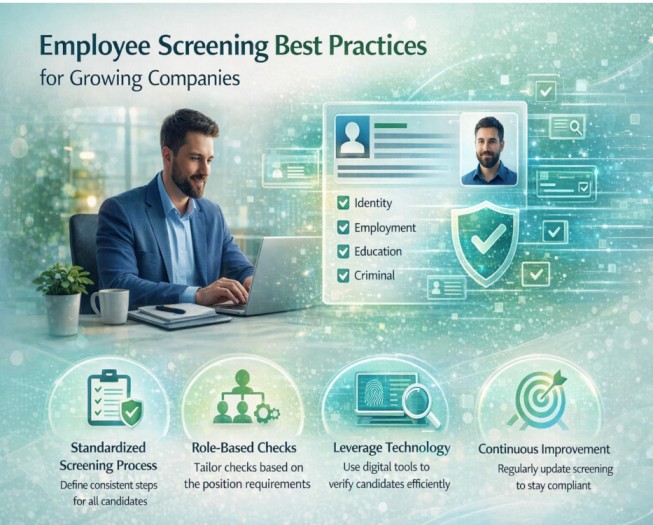
Recruitment and screening
Agencies source candidates, verify qualifications and references, and run background checks. For specialized or high-volume hires, agencies may operate payroll or act as the employer of record.
Immigration and permit handling
Services typically include applying for entry permits, arranging medical screening, Emirates ID applications, and obtaining the labor card. Agencies coordinate with government platforms and can reduce administrative burden for businesses.
Onboarding and compliance
After arrival, agencies may manage accommodation logistics, initial orientation, and ensure employment contracts meet UAE labor law and visa sponsorship requirements.
When to use a staffing agency vs handling visas in-house
Decide based on volume, internal capacity, and risk tolerance. An internal HR team can control costs and retain direct employment relationships, while agencies can speed hiring and absorb operational complexity. For companies hiring small numbers infrequently, internal handling is often feasible; for scale hiring, seasonal peaks, or cross-border recruitment, outsourcing reduces time-to-fill and administrative overhead.
Named framework: VISA-STEP checklist
Use this checklist to evaluate an agency or to run an internal outsourcing project. Score each item 1–5.
- V — Verification: Document checks, license validation, and candidate ID verification
- I — Immigration interface: Experience with MOHRE, GDRFA, and online portals
- S — Scalability: Ability to handle peak volumes and expedited requests
- A — Accountability: Clear contractual liability for delays and errors
- S — Service scope: What is included (medicals, Emirates ID, repatriation)
- T — Timelines: Typical lead times for entry permits, medicals, and labor cards
- E — Emirates ID & contracts: Management of ID registration and compliant employment contracts
- P — Pricing transparency: Fees, additional charges, and currency handling
Practical example: mid-size Dubai hotel hiring seasonal staff
A mid-size hotel in Dubai needed 30 housekeeping and kitchen staff within six weeks before peak season. The hotel used a staffing agency to handle recruitment, pre-screening, entry permits, and medicals. The agency completed recruitment in three weeks and delivered pre-approved candidate lists; entry permits and medical clearances took an additional two weeks, and Emirates ID processing completed within the sixth week. The hotel avoided hiring delays and reduced in-house HR workload, but paid agency fees and accepted a shared employment handoff during onboarding.
Costs, timelines, and regulatory considerations
Costs vary by nationality of worker, visa type, and whether accommodation or transport is provided. Timeline examples: entry permit (3–10 business days), medical test and results (1–7 days), Emirates ID issuance (5–21 days depending on volume). Official guidance and updates are published by the Ministry of Human Resources and Emiratisation.
Common mistakes and trade-offs
Common mistakes
- No clear contractual SLA: Failing to specify timelines and penalties for delays
- Assumed liability: Not clarifying who pays fines or repatriation costs
- Ignoring compliance: Allowing noncompliant contracts or inadequate worker protections
- Poor data handling: Mishandling personal data during document transfer and storage
Trade-offs to weigh
- Speed vs cost: Faster agency services come at higher fees
- Control vs convenience: Internal hiring offers control but more admin burden
- Single provider risk: Reliance on one agency can create vendor risk if performance slips
Practical tips for employers
- Agree SLAs and an escalation matrix in the contract to manage timelines and disputes.
- Request sample contracts and evidence of MOHRE/GDRFA transactions before engagement.
- Confirm who bears costs for medical failures, deportation, or fines and record it in writing.
- Retain copies of all immigration submissions and ensure encrypted transfer of personal data.
- Use the VISA-STEP checklist during vendor selection and score responses consistently.
Core cluster questions (for related articles and internal linking)
- How long does the UAE work visa process take for outsourced hires?
- What documents do staffing agencies need to process a UAE employment visa?
- How do costs break down when using an agency for UAE work permits?
- What compliance checks should employers require from staffing vendors in the UAE?
- When is it better to handle visas in-house vs outsourcing to a staffing agency?
Implementation checklist before outsourcing
- Verify agency license and testimonials; confirm MOHRE/GDRFA familiarity.
- Define scope: recruitment only, end-to-end visa processing, or employer-of-record.
- Set KPIs: time-to-hire, visa issuance time, and compliance incidents.
- Agree payment terms, upfront costs, and refund policies for failed placements.
- Plan data security and handover steps for returning documents after onboarding.
Next steps for employers
Map current hiring volume, calculate estimated fees vs in-house cost, and run a pilot with one agency for a defined role. Use the VISA-STEP checklist and require an SLA. Retain internal oversight for compliance and maintain direct communication channels with workers after placement.
FAQ: Is work visa outsourcing UAE suitable for small companies?
Yes—small companies benefit when internal HR lacks the time or local knowledge to manage cross-border recruitment. Evaluate fees versus internal costs and choose a limited-scope pilot to test agency performance.
FAQ: What documents are required by staffing agencies to start the process?
Typical documents include a copy of the employer trade license, passport copy of the sponsor, signed employment contract template, job description, and candidate passports and educational certificates. Agencies will request originals for attestation during processing.
FAQ: How to choose between UAE staffing agency work visa process options?
Compare service scope (recruitment vs full visa processing), SLAs, evidence of MOHRE/GDRFA transactions, data security policies, and pricing transparency. Use sample transactions and client references as verification.
FAQ: What is work visa outsourcing UAE and how does it affect employer liability?
Work visa outsourcing UAE means delegating visa-related tasks to an external provider. Even when outsourcing, employers retain legal responsibilities under UAE labor and immigration law; contracts should clearly assign operational tasks while preserving employer obligations for wages, working conditions, and repatriation responsibilities.
FAQ: How to reduce delays when outsourcing visa processing?
Provide complete, verified documents upfront, sign required contracts quickly, and maintain a direct point of contact at both the agency and the employer. Escalation clauses in the SLA help prioritize urgent cases.