Microneedling Benefits: A Practical Guide to Safter, Effective Skin Renewal
-

- March 07th, 2026
- 462 views
Microneedling benefits include improved texture, reduced appearance of acne scars, and stimulation of collagen production—reasons many people consider this minimally invasive therapy for skin renewal. This guide explains what microneedling does, who is a suitable candidate, realistic outcomes, and how to reduce risk with practical aftercare.
- Microneedling (collagen induction therapy) uses controlled micro-injuries to trigger healing pathways and collagen remodeling.
- Typical benefits: improved texture, reduced fine lines, smaller pores, and fading of some scars and hyperpigmentation.
- Important controls: device quality, needle depth, provider skill, and strict aftercare to avoid infection or scarring.
Detected intent: Informational
Microneedling benefits: what the treatment targets and how it works
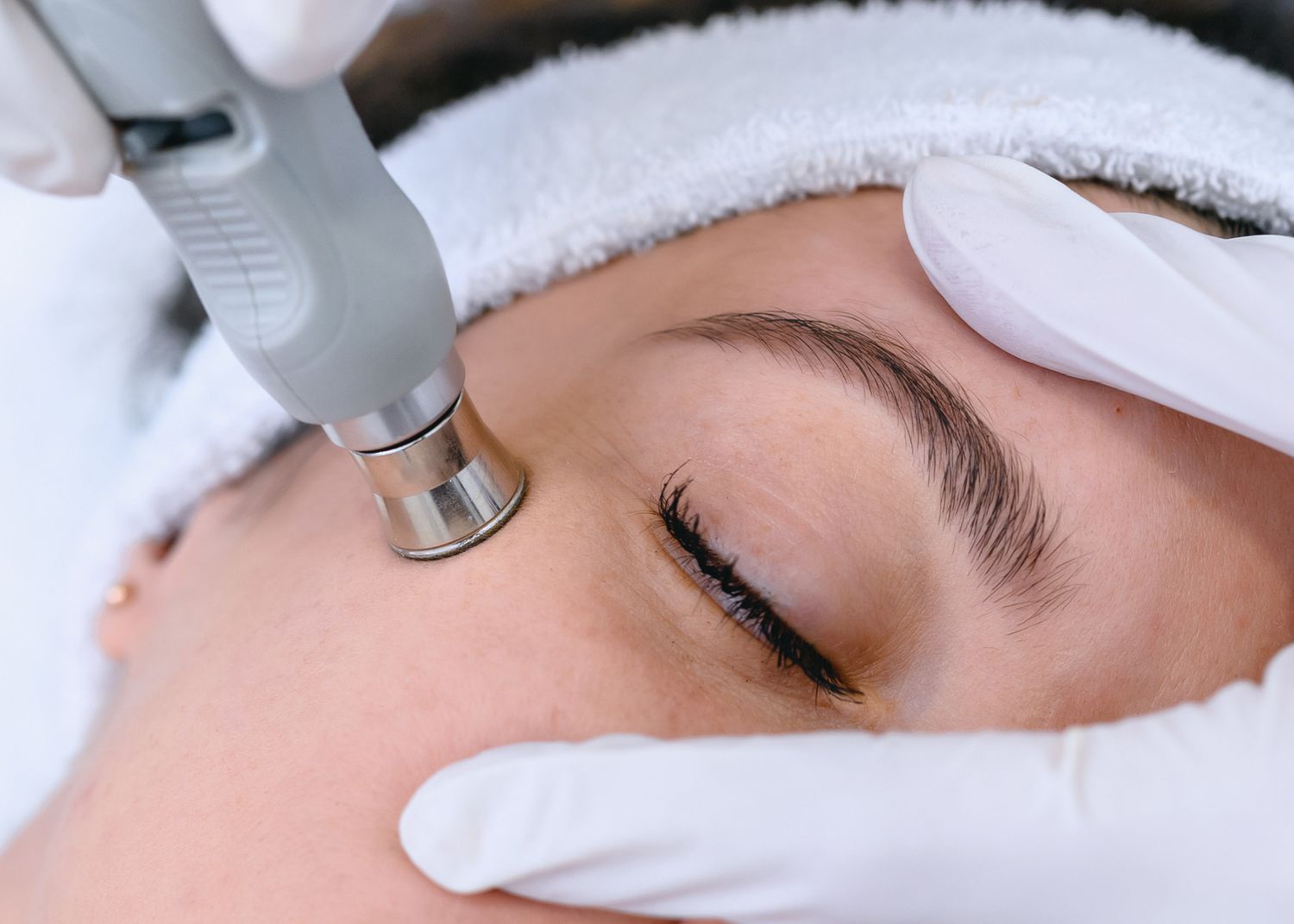
Microneedling—also called collagen induction therapy—creates microscopic channels through the epidermis into the superficial dermis. Those controlled micro-injuries activate growth factor signaling, stimulate fibroblasts, and promote collagen and elastin remodeling. Clinically documented outcomes include improvements in skin texture, reduction of acne scars and stretch marks, decreased pore size, and enhanced absorption of topical serums. Results depend on device, needle depth, treatment frequency, and individual healing capacity.
Who sees the most benefit and who should proceed cautiously
Suitable candidates typically have mild-to-moderate texture issues, depressed acne scarring, enlarged pores, or early fine lines. People with active inflammatory acne, uncontrolled rosacea, keloid tendency, certain autoimmune conditions, or recent isotretinoin use require evaluation before treatment. Pregnant or breastfeeding people should discuss alternatives with a clinician. A board-certified dermatologist or licensed medical aesthetic provider can assess skin condition and run standard safety checks.
Common uses, variations, and related terms
Devices vary from home dermarollers to clinic-grade motorized pens and fractional radiofrequency needling units. Related terms and entities: dermaroller, derma pen, collagen induction therapy (CIT), epidermis, dermis, hyaluronic acid serums, platelet-rich plasma (PRP) when combined, and topical growth factors. Combining microneedling with professional-grade serums can enhance active ingredient delivery, but protocols differ by provider.
SAFE Microneedling Checklist (practitioner-grade framework)
This acronym provides an easy pre- and post-treatment checklist that fits clinical and at-home considerations.
- Screen: Confirm medical history, recent isotretinoin, active infections, and allergy risks.
- Anesthesia & Asepsis: Ensure topical numbing for deeper settings and strict sterilization of tools and skin.
- Frequency & Field: Choose needle depth and interval by indication—shallow depths more often for texture, deeper for scar remodeling.
- Education & Aftercare: Provide clear instructions for cleansing, sun protection, and signs of complications.
Real-world example: treating acne scars safely
Scenario: A 34-year-old with rolling acne scars and no history of keloids seeks skin improvement. After screening and photography, a clinician recommends a series of 3–4 microneedling sessions spaced 4–6 weeks apart, using a motorized pen at varied depths (0.5–1.5 mm) depending on scar depth. Post-procedure, the patient follows a 7-day aftercare plan: gentle cleansing, barrier-repair moisturizers, avoidance of direct sunlight, and SPF 50. Improvement is visible after two sessions; final results assessed at three months show softer scar edges and improved texture. This example demonstrates staged treatment, provider oversight, and consistent aftercare—key factors in achieving microneedling benefits.
Practical aftercare and microneedling aftercare tips
Effective aftercare reduces complications and supports optimal results. Follow these actionable steps:
- Keep the skin clean and avoid active exfoliants for at least 7 days after treatment.
- Use a gentle, fragrance-free cleanser and a non-comedogenic moisturizer with ceramides or hyaluronic acid.
- Apply broad-spectrum sunscreen (SPF 30–50) daily; avoid direct sun and tanning beds for 2 weeks.
- Avoid makeup for 24 hours or longer if recommended by the provider, and skip heavy sweating or steam for 48–72 hours.
Trade-offs and common mistakes to avoid
Trade-offs: Deeper needle depths can address scarring more effectively but increase downtime and risk if not performed properly. At-home devices at shallow depths can provide modest texture improvement but are ill-suited for deep scars. Common mistakes include aggressive post-treatment exfoliation, skipping SPF, using non-sterile devices, and returning to intense topical actives too soon—each can worsen irritation or cause pigmentation changes.
Safety, standards, and where to verify best practices
Regulatory and professional guidance varies by region. For evidence-based, patient-facing guidance and safety considerations, refer to dermatology society resources. Reliable, peer-reviewed recommendations help align practice with standards for infection control and patient selection. For a succinct clinical overview, consult an authoritative dermatology source like the American Academy of Dermatology for patient guidance and safety points: American Academy of Dermatology - Microneedling.
Practical tips to maximize outcomes
- Plan treatments as a series: most protocols use 3–6 sessions spaced 4–8 weeks apart depending on the indication.
- Document progress with photos under consistent lighting to set realistic expectations and measure improvement.
- Discuss combining therapies (fractional lasers, PRP, topical retinoids) only under professional guidance—combinations can accelerate results but raise risk and require timing adjustments.
- Prioritize device sterility: single-use sterile cartridges or professionally sterilized tools reduce infection risk.
Core cluster questions for related content and internal linking
- How does microneedling compare to laser resurfacing for scars?
- What is the recommended timeline and frequency for microneedling sessions?
- Which topical serums are safe to use after microneedling?
- What are the signs of infection or adverse reactions after microneedling?
- How should skin with active acne be managed before considering microneedling?
What are the microneedling benefits?
Improved texture, collagen stimulation, reduction in pore size, and partial improvement of acne scars and stretch marks are typical outcomes. Results vary by device, depth, and individual healing.
Is microneedling painful and what anesthesia is used?
Discomfort is common but generally tolerable. Topical numbing creams are used for deeper treatments; shallower at-home rollers typically cause mild stinging only.
How long is recovery after a professional session?
Initial redness and mild swelling usually resolve in 24–72 hours; collagen remodeling continues over weeks to months. Deeper sessions can lead to longer downtime—discuss expected recovery with a provider.
Can microneedling cause hyperpigmentation?
Post-inflammatory hyperpigmentation is a risk, particularly in darker skin tones and with improper aftercare. Using sun protection and following professional guidance reduces this risk.
When should a clinician be consulted after treatment?
Seek professional evaluation for increasing pain, spreading redness, pus, fever, or any signs of infection or delayed healing. Early intervention prevents complications.