Urban Streetwear Guide: How Streetwear Rewrote Modern Fashion
-
- Published Updated
- 483 views
The urban streetwear guide below explains how streetwear evolved from subculture clothing into a global fashion movement and how creators, retailers, and consumers can navigate it today. This urban streetwear guide covers key vocabulary, brand strategy, styling tips, sustainability trade-offs, and an actionable checklist for product launches.
- Streetwear blends skate, hip-hop, and athleisure roots with limited drops, graphic design, and sneaker culture.
- Use the STREET Framework to plan collections: Strategy, Trend, Research, Execution, Exposure, Test.
- Practical tips include small-batch testing, clear brand voice, sustainable material choices, and community-first marketing.
Urban Streetwear Guide: What It Is and Why It Matters
Urban streetwear is a fashion category born from city youth culture that emphasizes casual silhouettes, statement graphics, sneakers, and community-driven releases. It matters because it changed industry economics — from seasonal shows to drop models and direct-to-consumer launches — and introduced new design drivers like collaborations, limited runs, and resale markets.
Origins, Culture, and Key Terms
Roots and influences
Streetwear draws from skateboard culture, hip-hop, punk, and Japanese workwear. Influential elements include skate brands, mixtape aesthetics, logo-driven pieces, and the rise of sneakerhead communities. Important related entities: sneaker culture, drop culture, athleisure, skatewear, and haute streetwear.
Key vocabulary
Know these terms when planning or buying: "drop" (limited release), "capsule" (small cohesive collection), "collab" (collaboration), "resale" (secondary market), "silhouette" (shape of a garment), and "graphic tee" (logo or artwork-centered shirt).
STREET Framework: A Checklist for Building Streetwear Collections
Use the STREET Framework to move from idea to market with fewer surprises. Each step is a checklist item:
- Strategy — Define audience, price points, and distribution (direct, wholesale, drops).
- Trend — Identify cultural cues and inspirations while avoiding chasing every microtrend.
- Research — Run material, fit, and cost tests; analyze resale and competitor drops.
- Execution — Prototype locally, verify fit samples, lock production runs.
- Exposure — Plan launch content, community seeding, and influencer partnerships carefully.
- Test — Release small batches, collect sales and social data, iterate.
Real-world example: Local skate shop capsule
A neighborhood skate shop wants a 5-piece capsule. Strategy: aim for $60–$150 price range and sell both in-store and online. Trend: retro graphics and heavier cotton. Research: check material lead times and sample 10 garments. Execution: order 100 units total in two colorways. Exposure: seed 10 items to local skaters and post staged drop content. Test: sell 20% in the first week, adjust reorder quantities based on sales velocity. This pragmatic approach reduces unsold inventory and builds community authenticity.
Design, Materials, and Sustainability
Material choices and sustainable streetwear materials
Popular materials include heavyweight cotton, fleece, nylon, and technical blends. Selecting sustainable streetwear materials—organic cotton, recycled polyester, hemp—adds cost and complexity but improves brand story and long-term resilience. Consider lifecycle impacts: durability, dyeing processes, and end-of-life recyclability.
Trade-offs and common mistakes
Trade-offs often involve price vs. quality, scarcity vs. accessibility, and speed-to-market vs. ethical manufacturing. Common mistakes include overproducing without demand signals, copying successful drops without a unique voice, and neglecting fit testing. These errors inflate returns and damage credibility.
Brand Strategy and Marketing
Streetwear brand strategy basics
Core elements: a recognizable visual language, consistent storytelling, and community-first tactics. Streetwear brand strategy favors limited drops, authentic collaborations, and social proof from niche influencers or local scenes. Monitor resale markets to gauge perceived value and positioning.
Practical tips (3–5 actionable points)
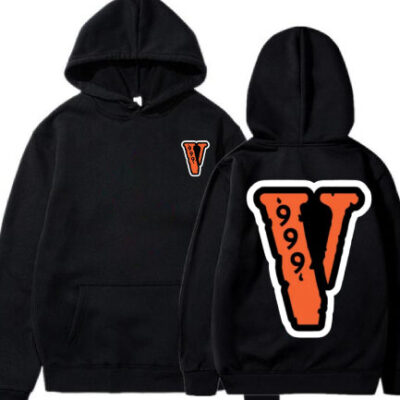
- Start with a single hero product (a hoodie or tee) to define fit and identity before expanding.
- Run micro-drops (50–200 units) to test price elasticity and messaging without large inventory risk.
- Use pre-orders for high-cost items to validate demand and fund production runs.
- Document sourcing and make sustainability claims verifiable with supplier certificates or public materials guides.
Retail and Distribution
Channels and economics
Distribution can be direct-to-consumer, wholesale to boutiques, or partnerships with larger retailers. Drops and limited releases often favor direct channels because they control scarcity and customer data. Combine online launches with selected physical activations to grow local presence.
Core cluster questions
- How do limited drops affect streetwear resale value?
- What are the most durable fabrics for streetwear pieces?
- How should a new label test a hoodie's fit and sizing?
- What role do collaborations play in brand growth?
- How can community marketing reduce customer acquisition costs?
Standards, Organizations, and Further Reading
For best practices in brand building and cultural stewardship, consult industry organizations and education programs such as the Council of Fashion Designers of America for professional standards and market reports. CFDA — Council of Fashion Designers of America provides resources on industry codes and market insights.
FAQ
What is an urban streetwear guide for beginners?
An urban streetwear guide for beginners lays out the history, terminology, and practical steps to shop or build a brand: learn core silhouettes, start with hero pieces, test with micro-drops, and engage communities authentically.
How do production runs work for streetwear brands?
Production runs vary from small local batches to factory minimums. Smaller runs reduce risk but raise per-unit cost; larger runs lower unit price but increase inventory risk. Use the STREET Framework to choose the right scale for each release.
How can designers choose sustainable streetwear materials without overspending?
Prioritize durability and recyclability. Source recycled blends for outer layers and use organic or certified cotton for basics. Test a single sustainable fabric across one product line before wider adoption to measure cost and customer appetite.
Where to find streetwear styling tips for looks and layering?
Streetwear styling tips include balancing proportions (oversized top, tapered bottom), mixing textures (fleece with denim), and using accessories (caps, crossbody bags, and sneakers) as focal points. Small adjustments to fit and layering can transform a casual outfit into a curated look.
urban streetwear guide — How to start a streetwear label that lasts?
Start with a strong brand voice, a proven hero product, and community-first marketing. Validate demand through pre-orders or micro-drops, ensure fit and quality through samples, and track resale and social metrics to refine positioning. Avoid overproduction and prioritize long-term authenticity over short-term hype.