FiberHome Default Login Guide: IP Address, Username & Password
-

- Published Updated
- 1,805 views
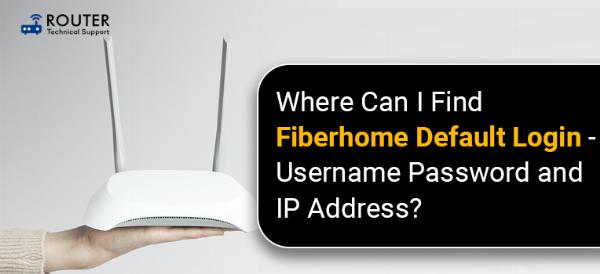
FiberHome default login information is the initial IP address, username, and password used to access the admin interface of a FiberHome router, ONT, or gateway. These defaults are set by the manufacturer and are usually printed on the device label or included in the quick start guide. Knowing the default details helps with initial setup and troubleshooting when connecting a home or small office network.
- Default IP addresses commonly include 192.168.1.1, 192.168.0.1, or 192.168.100.1.
- Common default usernames are admin or user; common default passwords include admin, 1234, or a device-specific key printed on the label.
- If defaults do not work, check the device label, documentation, ISP support pages, or perform a factory reset following the manufacturer instructions.
FiberHome default login: IP, username and password
Most FiberHome devices use a private IPv4 address for the web admin interface. Typical default addresses are 192.168.1.1, 192.168.0.1, or 192.168.100.1, though some models or ISP-supplied firmware can set a different gateway. Default usernames are often admin or user, and passwords can be generic (for example admin or 1234) or a unique passphrase printed on the router/ONT label. Always check the sticker on the hardware and the quick start manual for model-specific credentials.
How to find the default IP and credentials on your FiberHome device
Check the device label and documentation
Most FiberHome units include a sticker on the underside or back with the default IP, SSID, and admin password or serial number. The quick start guide or user manual included with the device lists the factory defaults and the procedure for accessing the web interface.
Look in the router’s network settings from a connected computer
On a computer already connected to the device, viewing the gateway or default route will show the device IP. For example, on Windows, running ipconfig in Command Prompt shows the Default Gateway; on macOS and Linux, route -n or ip route can provide the gateway address. Enter that IP in a web browser to open the admin page.
Consult the ISP or model support pages
When a FiberHome device is supplied by an internet service provider, the ISP may set custom credentials. In those cases, check the ISP support portal or contact customer service for the correct login details.
If the defaults don’t work: troubleshooting steps
Confirm network connection and IP addressing
Ensure the device is powered on, cables are connected, and the client device has an IP address on the same subnet. If the client is using a static IP on a different subnet, switch to DHCP to receive a correct address from the router and access the admin page via the gateway address.
Try the hardware reset procedure
If the login credentials have been changed and are unknown, most FiberHome devices have a recessed reset button that returns the unit to factory defaults when held for the period specified in the manual (commonly 10–30 seconds). Resetting will erase custom settings including VLANs, Wi‑Fi SSIDs, and passwords, so document any required settings before proceeding.
Check for model-specific login methods
Certain FiberHome ONTs, routers, and integrated gateway units may allow local console access (serial) or remote management via TR‑069 or SSH depending on firmware. These advanced methods are typically for technicians and may require vendor tools or ISP permission.
Security considerations and best practices
After accessing the admin interface, it is recommended to change default credentials, configure a unique administrative password, and apply current firmware updates when available. Secure the Wi‑Fi network with WPA2/WPA3 encryption and a strong passphrase, and disable remote administration unless required. These steps align with general router security guidance from standards bodies such as the IEEE and consumer protection regulators like the U.S. Federal Communications Commission (FCC).
Where to get official help and firmware updates
For official product documentation, downloads, or technical support from the manufacturer, visit the FiberHome support site: https://www.fiberhome.com/. Service providers that supplied the hardware may also maintain a support portal or helpdesk with model-specific instructions and credentials used in managed deployments.
Common related terms and concepts
- ONT/ONU: Optical Network Terminal / Unit used in fiber-to-the-home (FTTH) setups.
- DHCP: Dynamic Host Configuration Protocol that assigns IP addresses on local networks.
- MAC address: Hardware identifier often printed on the device label and used by ISPs for provisioning.
- TR‑069: A remote management protocol used by ISPs for device configuration.
FAQ
Where can I find FiberHome default login details?
Default login details are usually printed on a sticker on the device or listed in the quick start guide. Common default IP addresses include 192.168.1.1 and 192.168.0.1, and default usernames/passwords are often admin/admin or a password printed on the label.
What should be done if the default password has been changed and is forgotten?
Performing a factory reset using the device’s reset button restores factory defaults and the original login. Follow the manufacturer instructions to avoid unintended service disruptions; custom network settings will be lost.
Can an ISP change the default login credentials on a FiberHome device?
Yes. Service providers often deploy firmware that changes default credentials or locks administrative access. Contact the ISP’s support team for the correct login and for authorized changes.
Are there legal or regulatory considerations when accessing or modifying a supplied device?
Some ISPs manage devices under terms of service and may prohibit unauthorized configuration changes. For guidance on consumer rights and network device security, consult relevant regulatory authorities such as the FCC or the national telecommunications regulator in the applicable country.
How can firmware updates be obtained safely?
Download firmware from the manufacturer’s official website or obtain updates through the ISP. Installing firmware from unverified sources can pose security and stability risks.