How to Choose the Best Skincare for Indian Skin: Practical Guide and Routine
-

- March 08th, 2026
- 620 views
Detected intent: Commercial Investigation
Introduction
This guide explains how to identify and choose the best skincare for Indian skin across common concerns such as oiliness, acne-related hyperpigmentation, sensitivity, and dryness. The goal is practical selection criteria, a repeatable routine, and a checklist to evaluate brands and products—without focusing on any single brand.
- Determine skin type and primary concerns (oil, pigmentation, sensitivity).
- Follow a simple routine: gentle cleanser, targeted treatment, moisturizer, and broad-spectrum SPF.
- Use the DERM-CARE checklist to evaluate ingredients and claims.
- Patch-test, introduce actives slowly, and expect visible change in 8–12 weeks for pigmentation or acne scars.
Best skincare for Indian skin: how to choose products and brands
Start by assessing skin type (oily, combination, dry, sensitive) and primary issues (acne, post-inflammatory hyperpigmentation, melasma, aging). The best skincare for Indian skin balances oil control with hydration and protects melanin-rich skin from pigmentation — routine consistency matters more than chasing brand names.
Key considerations for Indian skin types
- Melanin and pigmentation: Higher melanin reduces sunburn risk but increases risk of post-inflammatory hyperpigmentation; broad-spectrum sunscreen is essential.
- Oil and humidity: Many Indian climates are humid, favoring lightweight, non-comedogenic formulations for combination or oily skin.
- Active ingredients: Niacinamide, azelaic acid, and gentle AHAs (like lactic acid) are useful for pigmentation; benzoyl peroxide and salicylic acid help acne control.
- Sensitivity and irritation: Patch-test strong actives and avoid layering multiple exfoliants at once.
Secondary keywords
skincare routine for Indian skin; sunscreen for darker skin tones
DERM-CARE Checklist (named framework for evaluating products)
Use this quick checklist when comparing products or a brand line:
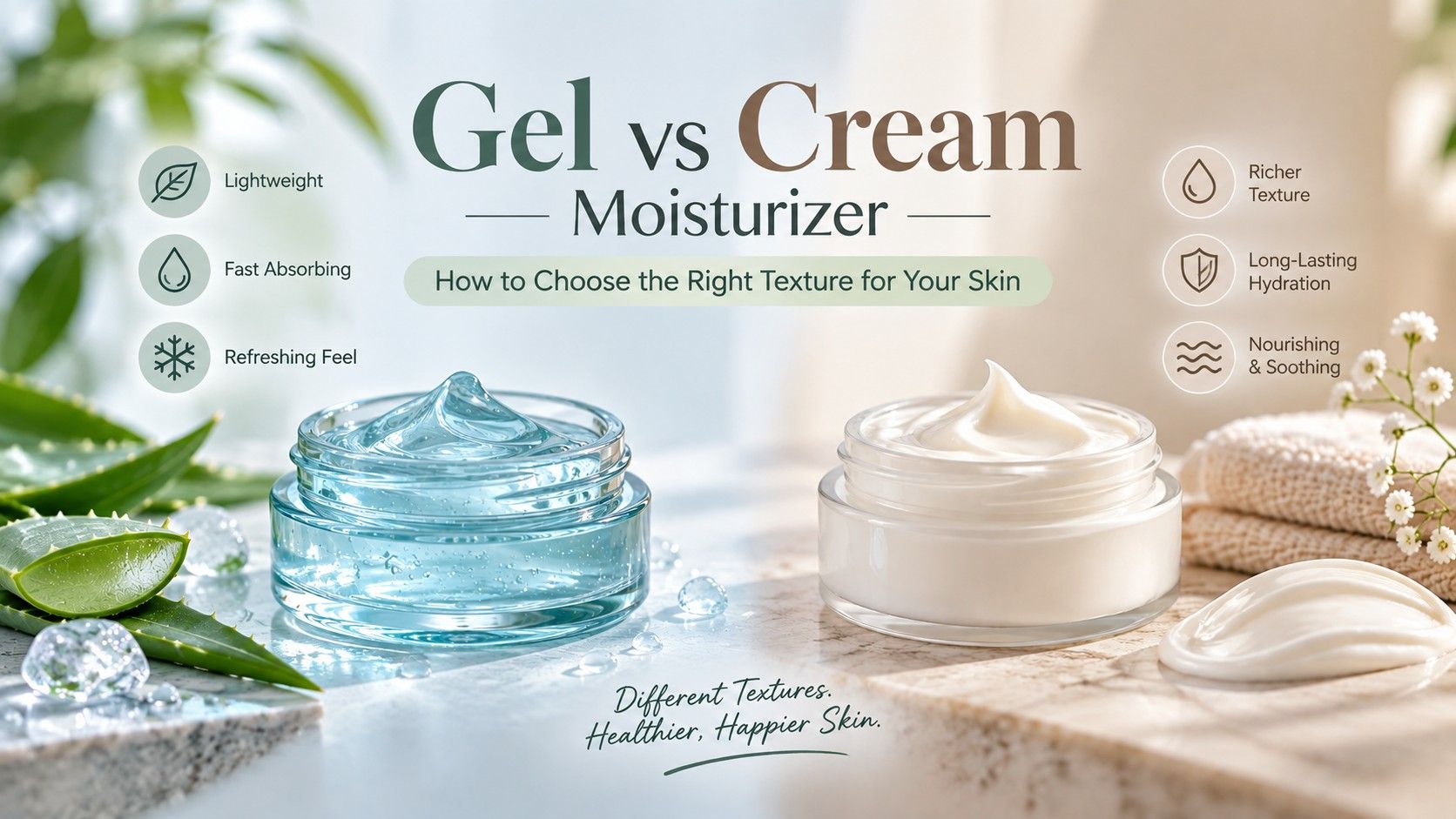
- Density: Is the texture appropriate for climate and skin type (gel, lotion, cream)?
- Evidence: Are active ingredients listed with concentrations or supported by clinical rationale?
- Reactivity: Does the formula avoid frequent irritants for sensitive skin (fragrance, high alcohol)?
- Melanin-safe: Does it include sun protection or pigment-fading actives that are safe for darker tones (niacinamide, azelaic acid)?
- Compliance: Is the regimen simple enough to follow consistently (≤4 core steps)?
- Accessibility: Is the product available and reasonably priced for regular use?
- Review & patch: Are reviews consistent and is a patch test recommended before full use?
- Ethics: Are claims transparent and ingredients listed clearly?
Sample routine and real-world example
Scenario: A 28-year-old living in Mumbai has combination skin, frequent T-zone oil, and brown post-acne marks. The practical routine below prioritizes oil control, hydration, and pigmentation fading while keeping steps minimal.
- Morning: Gentle foaming cleanser → niacinamide serum (2–5%) → lightweight moisturizer (non-comedogenic) → broad-spectrum SPF 30+ every morning and reapply during long sun exposure.
- Evening: Double-cleanse if wearing sunscreen/makeup (oil cleanser optional) → salicylic acid spot treatment or leave-on 2% BHA (alternating nights) → azelaic acid or 2–5% niacinamide serum → moisturizer.
- Weekly: One gentle chemical exfoliant (lactic acid 5–10%) if no irritation; incorporate retinoid slowly for aging/acne over months.
Note on sunscreen: Choose a broad-spectrum SPF; for details on UV protection and sunscreen use, review guidance from the American Academy of Dermatology (AAD sunscreen basics).
Practical tips
- Patch-test a new product on the inner forearm for 48 hours before applying to the face.
- Introduce one active at a time, wait 4 weeks to assess response before adding another.
- Use fragrance-free and low-alcohol formulas for sensitive or barrier-compromised skin.
- Layer water-based serums before oils/creams to improve absorption and reduce pilling.
- Record before-and-after photos under consistent lighting to judge pigmentation changes over 8–12 weeks.
Trade-offs and common mistakes
Trade-offs to consider
Stronger actives (higher-concentration retinoids, strong AHAs) often yield faster results but increase irritation risk, which can worsen pigmentation in melanin-rich skin. Thicker moisturizers improve barrier repair but may feel heavy in humid climates. Sunscreens with higher SPF and chemical filters can be cosmetically elegant but may cause stinging on compromised skin.
Common mistakes
- Over-exfoliation: Using multiple exfoliants daily leads to barrier damage and rebound hyperpigmentation.
- Skipping sunscreen: Even darker skin tones need regular UV protection to prevent new pigment formation.
- Chasing trends: Frequent product switching prevents seeing real improvement and complicates cause-effect when irritation occurs.
5 core cluster questions for follow-up content
- How to build a simple daily skincare routine for Indian skin?
- Which ingredients help reduce post-acne hyperpigmentation on darker skin tones?
- How to choose a sunscreen for darker skin that doesn’t leave white cast?
- What is the safest way to introduce retinoids for Indian skin types?
- How to manage oily-combination skin in humid climates?
When to see a dermatologist
Seek professional care for severe or cystic acne, sudden pigmentation changes, suspicious moles, or when over-the-counter approaches irritate the skin. Dermatologists can prescribe higher-strength actives and tailor treatments such as chemical peels or laser with consideration for melanin-rich skin.
FAQ
Which is the best skincare for Indian skin?
The best skincare for Indian skin follows these principles: identify skin type and concerns, use a gentle cleanser, apply targeted actives (niacinamide, azelaic acid, salicylic acid as appropriate), moisturize to maintain barrier function, and use broad-spectrum sunscreen daily. Evaluate products using the DERM-CARE checklist above.
How often should a skincare routine for Indian skin include exfoliation?
Start with once weekly chemical exfoliation for sensitive or pigmented skin, increase up to 2 times weekly for resilient skin types. Avoid combining strong exfoliants with retinoids without professional guidance.
Can hyperpigmentation be treated without prescription products?
Mild post-inflammatory hyperpigmentation often improves with consistent use of topical agents like niacinamide, azelaic acid, and gentle AHAs over 8–12 weeks, plus diligent sun protection. Persistent or deep pigmentation may require prescription treatments from a dermatologist.
Are natural or homemade remedies safe for Indian skin?
Some natural ingredients (sunscreen-friendly oils, aloe vera) can support skin health, but many homemade remedies (lemon, undiluted turmeric pastes) can irritate and cause uneven pigmentation. Test cautiously and prioritize proven actives with known safety profiles.
What SPF is suitable as sunscreen for darker skin tones?
Broad-spectrum SPF 30 or higher is recommended for daily use; SPF 50 is reasonable for prolonged sun exposure. Choose formulations labeled broad-spectrum and test for cosmetic acceptability (no strong white cast) to ensure consistent use.