How Lead Harvestor Delivers Consistent Home Renovation Leads Contractors Can Trust in 2025
-

- April 05th, 2026
- 318 views

FREE SEO Topical Map Generator: Find Your Next Content Ideas
How Lead Harvestor helps contractors secure steady home renovation leads in 2025
The term home renovation leads matters because time spent on low-quality prospects erodes margins and growth. Contractors choosing a lead source should evaluate lead quality, filtering and qualification, and the match between project types and service area. This guide explains how Lead Harvestor structures its offering, what to expect from purchased renovation leads, and how to measure ROI.
Commercial Investigation
Why Lead Harvestor produces higher-quality home renovation leads
Higher-quality leads come from three capabilities: precise targeting, fast qualification, and transparent lead metadata. Lead Harvestor typically supplies structured homeowner data (project scope, budget range, timeline), a timestamp for capture, and source confidence scores that help contractors prioritize outreach. That combination reduces time wasted on unqualified prospects and supports better scheduling and estimating.
What contractors should evaluate before buying renovation leads
Match to service scope and geography
Confirm the platform can filter for specific renovation types (kitchen remodels, bathroom remodels, exterior siding, roofing) and for the contractor's service area. Local renovation leads convert at a higher rate when the supplier verifies serviceability and local contractor availability.
Lead exclusivity and delivery speed
Check whether leads are exclusive or shared and how quickly they are delivered. Paid contractor lead generation channels that deliver hot leads in real time allow contractors to respond while homeowner intent is high. Shared leads may cost less but typically yield lower close rates.
Qualification data and verification
Ask what qualification checks are applied: phone verification, email validation, and basic budget checks. Platforms that provide caller history, homeowner confirmation, or project photos let crews make better go/no-go decisions before dispatching an estimator.
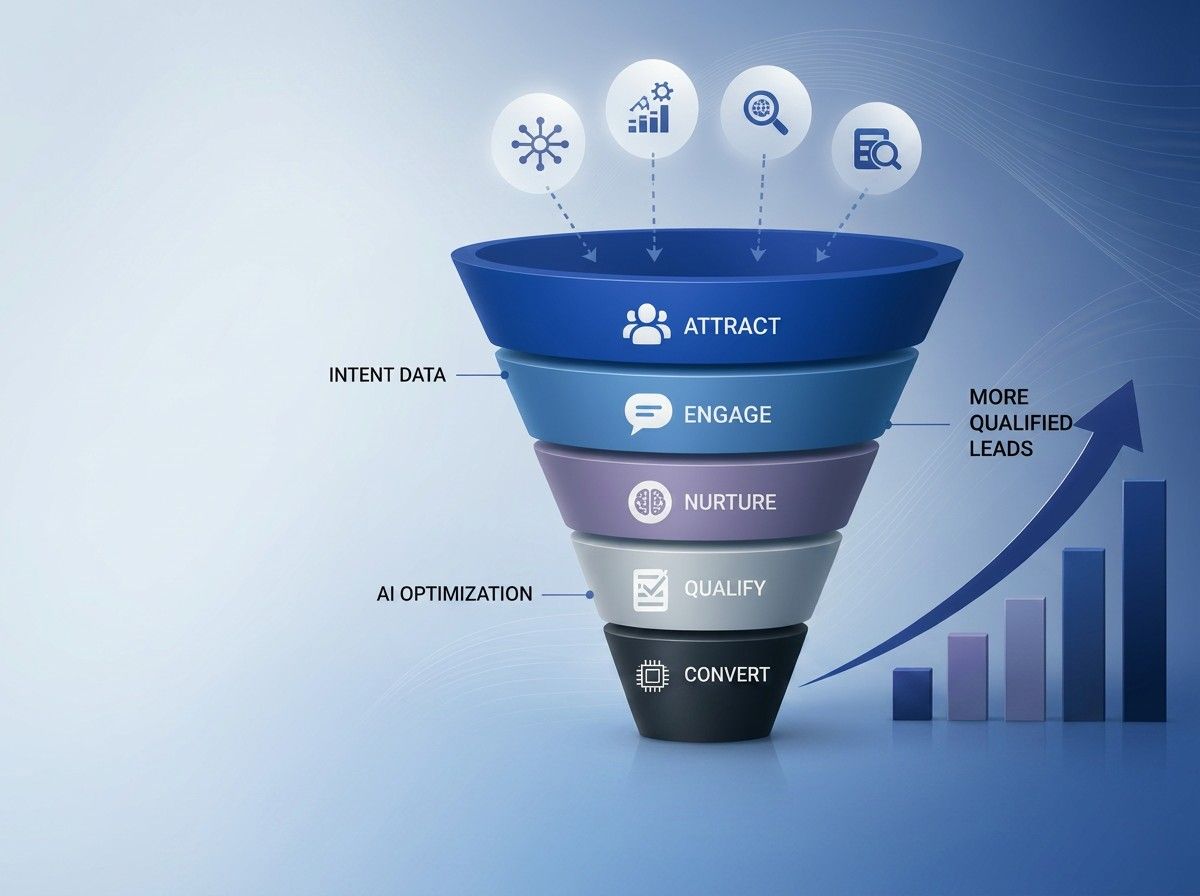
3C Lead Qualification Framework (Capture • Check • Convert)
Use a repeatable framework to process incoming leads:
- Capture: Ingest lead metadata and timestamp. Log source, project type, and homeowner contact details in the CRM.
- Check: Quickly verify contact information and immediate availability. Confirm budget range and project timeline in the first call.
- Convert: Schedule the site visit or send a preliminary estimate. Move confirmed prospects into a prioritized pipeline and track conversion times.
LEAD READY checklist
- Location verified within contractor service area
- Project type matches specialization (kitchen, roofing, siding, etc.)
- Budget range provided and matches target job size
- Contact verified by phone or text
- Preferred start date inside acceptable window
Practical example: small remodeler uses filters to raise close rates
A two-person remodeling firm in Ohio tested three lead streams: organic website inquiries, door-knock referrals, and paid renovation leads from a lead aggregator. By applying a narrow filter set for kitchen remodels and a budget floor of $12,000, the firm reduced unworkable dispatches by 40% and shortened estimate-to-close time by 25%. The firm treated leads from the paid source as a predictable inbound channel and allocated a fixed daily callback window to handle rapid follow-ups.
Practical tips for using purchased renovation leads
- Respond fast: Aim to call new leads within 5–15 minutes of delivery when possible; speed dramatically affects conversion for real-time intent.
- Use scripts focused on verification: Confirm project scope, budget range, and timeline within the first two minutes of conversation.
- Prioritize exclusive leads: When budget allows, prefer exclusive leads for higher close rates and better ROI tracking.
- Track lead source performance: Use CRM tags and UTM codes to tie leads back to campaigns and measure cost per booked job.
- Set return policies: Negotiate credits or replacements for clearly invalid or duplicate leads to protect margins.
Trade-offs and common mistakes when buying renovation leads
Trade-offs
Paid feeds offer scale and speed but cost per lead is higher than organic referral channels. Exclusive leads cost more but save time; shared leads are cheaper but require stricter qualification to maintain profitability. Delivering a fast response may require dedicating staff or outsourcing initial qualification to prevent missed opportunities.
Common mistakes
- Failing to measure lifetime value (LTV) and focusing only on initial lead cost.
- Not aligning filters with service capabilities, causing wasted dispatches and returns.
- Slow follow-up: letting leads go cold instead of engaging while intent is active.
Trust, compliance, and verification
Contractors should follow consumer protection best practices when contacting homeowners and keep written records of estimates and change orders. For guidance on hiring and working with contractors, official consumer guidance can be useful; see the Federal Trade Commission’s tips on hiring a contractor for best practices and consumer protections. FTC: Hiring a contractor
Core cluster questions (content hubs and internal link targets)
- How to qualify home renovation leads before scheduling an estimate
- What data fields matter most in contractor lead feeds
- When to buy exclusive vs. shared renovation leads
- How to measure ROI from paid contractor lead generation
- Best workflow for responding to hot homeowner leads
Measuring success: KPIs to track
- Lead-to-site-visit rate
- Site-visit-to-booking rate
- Average cost per booked job (include lead cost + selling time)
- Time from lead capture to contact
- Customer lifetime value and referral rate
When Lead Harvestor makes sense
Lead Harvestor or similar paid lead platforms are sensible when a contractor needs predictable deal flow, lacks a reliable organic pipeline, or wants to scale particular service lines quickly. Use filters to match project type and budget, insist on verified contact data, and run a trial with clear KPIs (cost per booked job, conversion rates) before committing to long-term spend.
FAQ: How do home renovation leads from paid platforms compare to organic leads?
Paid leads provide speed and scale; organic leads usually cost less per booking and convert better long-term because they come from established trust. The best approach combines both: use paid home renovation leads to fill capacity and organic strategies to build higher-LTV repeat customers.
FAQ: What is the ideal response time for a renovation lead?
Industry best practice is under 15 minutes for real-time captured leads; under 1 hour is acceptable for warm leads. Faster responses correlate strongly with higher contact and booking rates.
FAQ: How should contractors evaluate lead quality from Lead Harvestor?
Evaluate lead quality by checking service area match, project scope alignment, verified contact information, budget range, and delivery speed. Track conversion KPIs for several weeks to determine sustainable ROI.
FAQ: Are there risks to relying on paid contractor lead generation?
Yes—overreliance on paid channels can hide problems with sales processes or reputation. Balance paid channels with referral and organic marketing, and monitor unit economics closely to avoid margin erosion.
FAQ: What steps reduce no-shows and cancellations after a booked estimate?
Confirm appointments via text and phone, send a short scope checklist in advance, require photo submission for exterior projects, and set clear cancellation policies. Prequalification calls that reconfirm budget and timeline reduce waste.