Why Professional File Storage in Los Angeles Outperforms DIY Options
-
- March 09th, 2026
- 385 views
Choosing between a closet full of boxes and a trusted provider often comes down to risk, cost, and compliance. This guide shows why professional file storage Los Angeles is usually the smarter choice for businesses and individuals managing important documents, records, and archival materials.
Detected intent: Commercial Investigation
- Professional storage reduces environmental and security risks compared with DIY home storage.
- Expect chain-of-custody, climate control, and documented retention policies from a provider.
- Use the CLEAR checklist to evaluate providers and follow the practical tips to reduce cost and legal exposure.
professional file storage Los Angeles: core advantages over DIY
Professional file storage Los Angeles providers specialize in secure, compliant solutions for records, legal files, medical charts, and high-value archives. Compared with DIY approaches that rely on garages, closets, or personal storage units, professional services combine physical safeguards, operational controls, and documented procedures that reduce risk and support business continuity.
What professional storage does that DIY usually cannot
Climate control and preservation
Records age faster under fluctuating temperature and humidity. Climate-controlled storage preserves paper, photographs, and magnetic media. Professional facilities monitor and log environment conditions to meet retention schedules and archival standards.
Security and chain-of-custody
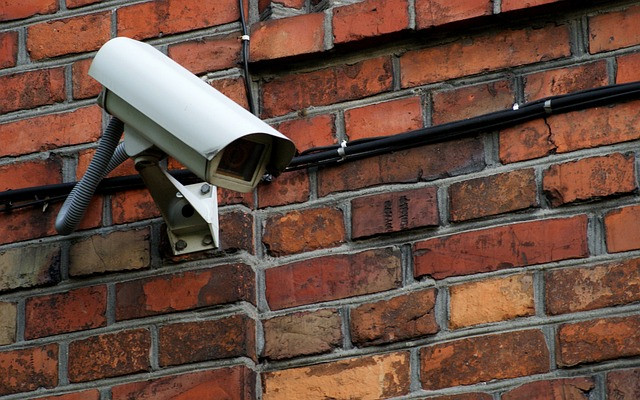
Professional centers implement layered security: access control, video surveillance, vetted staff, and digital tracking for every retrieval. Chain-of-custody records provide legal defensibility that a pile of boxes in a garage does not.
Regulatory compliance and audit readiness
Providers who work with businesses are familiar with state and federal retention rules (for example, HIPAA for medical records or IRS guidelines for tax documents). For records management best practices and standards guidance, organizations like ARMA International maintain useful frameworks and recommendations: ARMA International.
Named framework: the CLEAR checklist for evaluating providers
Use the CLEAR checklist when comparing providers or auditing current storage arrangements:
- Climate & continuity — Confirm temperature/humidity control and disaster recovery plans.
- Logging & chain-of-custody — Ask for tracking procedures and retrieval logs.
- Encryption & access controls — Verify digital interfaces, user permissions, and data protection.
- Audit & compliance support — Ensure readiness for regulatory audits and certificate availability.
- Retention & disposition — Confirm retention scheduling and secure destruction processes when needed.
Real-world example: legal firm avoids a compliance penalty
A small law office in Los Angeles switched to a professional records center after an internal audit revealed missing attorney-client logs and damaged exhibits stored in a building basement. The provider documented chain-of-custody, digitized critical exhibits, and implemented a retention schedule aligned with California bar rules. The firm avoided potential sanctions, reduced retrieval time, and recovered storage-related staff hours for billable work.
Practical tips for switching from DIY to professional storage
- Inventory first: create a simple indexed spreadsheet of boxes, date ranges, and sensitivity levels before transfer.
- Prioritize climate control for photographs, maps, or any media older than 20 years or with high humidity sensitivity.
- Ask for a trial retrieval: test the provider’s turnaround and tracking on a small sample.
- Negotiate pickup, indexing, and document imaging as part of the setup to avoid surprise fees later.
Trade-offs and common mistakes to avoid
Trade-offs
Professional storage typically costs more than DIY in headline monthly fees, but it offsets hidden costs: damage, lost staff time, fines for noncompliance, and emergency restorations. For very short-term, low-value storage needs, a controlled DIY approach may be sufficient.
Common mistakes
- Failing to label boxes with searchable metadata before transfer.
- Assuming all providers offer the same preservation standards—verify climate and pest-control specifics.
- Overlooking retrieval fees and minimum retention periods in the contract.
- Not documenting chain-of-custody for sensitive or legally relevant materials.
Cost considerations and ROI
Evaluate total cost of ownership, including offsite pickup, indexing, retrieval, and secure destruction. Savings often appear in reduced staff time, fewer losses, and lower insurance claims. For regulated records, the avoided risk of penalties and litigation support can be the dominant return on investment.
Core cluster questions
- How does climate-controlled storage extend the life of paper records?
- What proof of chain-of-custody should a records center provide?
- Which records require special handling under California law?
- How to compare retrieval fees and indexing services across providers?
- What steps are needed to digitize and securely destroy paper records?
Decision checklist before signing a contract
- Confirm insurance limits and liability clauses.
- Request environmental logs and pest-control records.
- Test retrieval and request a sample chain-of-custody report.
- Clarify termination terms and disposition procedures.
FAQ
What is professional file storage Los Angeles and when should it be used?
Professional file storage Los Angeles refers to third-party facilities that offer secure, climate-controlled, and tracked storage for documents and records. It is recommended when records have legal, financial, or historical value, when regulatory compliance is required, or when internal storage risks outweigh costs.
How does secure document storage Los Angeles differ from a basic storage unit?
Secure document storage includes climate control, chain-of-custody tracking, restricted access, background-checked staff, and documented procedures for retrieval and disposition—features not guaranteed by basic self-storage units.
Are there standards for climate-controlled storage for files?
Yes. Archives and records-management standards describe temperature and humidity ranges, handling, and monitoring best practices. Facilities that serve legal, medical, or archival clients usually publish their environmental controls and monitoring policies.
How quickly can documents be retrieved from a professional records center?
Retrieval times vary by provider and service level but commonly range from same-day to 48 hours for standard requests; expedited options are frequently available for urgent needs.
What are common fees to watch for when moving from DIY to professional storage?
Watch for pickup/transfer fees, box indexing or barcoding costs, retrieval charges, minimum monthly bills, and secure destruction fees. Negotiate a clear fee schedule before signing.