Why Stussy Shirts Stand Out: Design, Quality, and Cultural Influence
-

- May 07th, 2026
- 313 views

Get a free topical map and start building content authority today.
Stussy shirts have become a defining presence in global streetwear, combining distinctive graphics, cultural credibility, and collectible drops that keep demand high. Detected intent: Informational
- Stussy shirts stand out through heritage-driven design, consistent branding, and selective distribution.
- Key features to check: tag details, print quality, fabric weight, and collaboration provenance.
- Use the BRAND checklist to evaluate authenticity and market value before buying.
Stussy shirts: why they resonate in the streetwear market
Stussy shirts occupy a unique position in streetwear because they combine an origin story rooted in surf and DIY culture with graphic design that translates across subcultures. This mix of authenticity, recognizable branding, limited releases, and collaborations creates both cultural relevance and resale value. The result is not only fashion but also a form of cultural signaling and community identity.
Origins and the Stussy streetwear history
The brand’s early years in the 1980s tied surfboard shaper aesthetics to hand-drawn logos and silk-screened tees. Over time, Stussy expanded beyond surfwear into skate, hip-hop, and high-fashion crossovers. That trajectory—documented by fashion historians and industry platforms—explains why the label is seen as a bridge between underground culture and mainstream fashion.
Signature design elements and authentic Stussy shirt features
Logo and typography
The hand-drawn 'Stüssy' signature is a primary identifier. Variations in placement (chest, back, sleeve) and scale are common, but the handwriting aesthetic and specific letterforms are consistent across authentic releases.
Graphics and collaborations
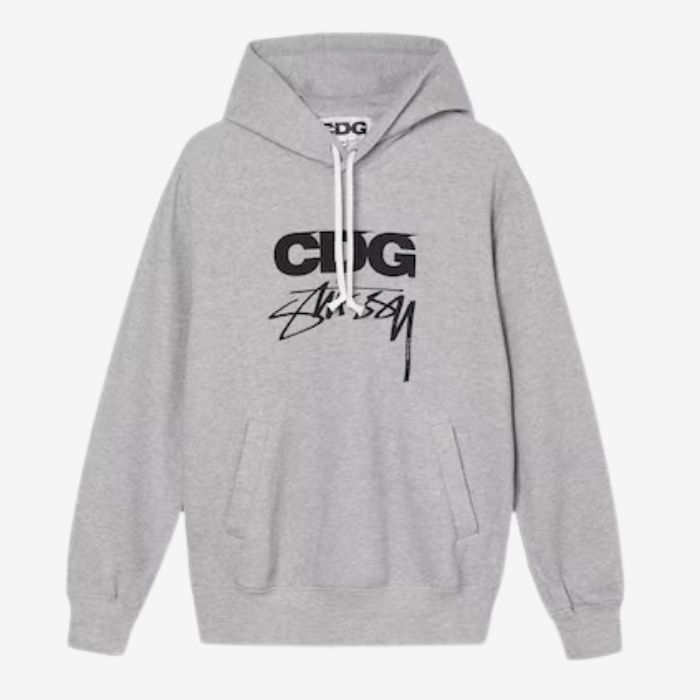
Bold graphics, playful prints, and collaborations with other brands or artists are core to the label’s strategy. Limited collaboration drops drive interest because they mix Stussy’s visual language with another creator’s cachet.
Quality, manufacturing, and authenticity signals
Beyond design, material quality and construction matter. Typical indicators of authenticity include consistent tag formats, clear screen print or embroidery, sturdy stitching at seams, and fabric weight appropriate for the garment’s season. Certifications and best practices in textile production—such as those tracked by the Global Organic Textile Standard—are relevant when assessing sustainability or fabric claims (Global Organic Textile Standard (GOTS)).
Where counterfeits diverge
Counterfeits often miss small production details: incorrect tag fonts, uneven ink application, wrong garment measurements, or low-quality cotton. Resale platforms and authentication services document these differences and provide guides for collectors.
The BRAND checklist — a practical framework for evaluating a Stussy shirt
Use the BRAND checklist to evaluate shirts quickly. This named checklist is a practical, repeatable model to inspect any streetwear tee.
- Build quality — Check seams, hems, and stitch density.
- Rarity & release — Confirm drop date, collaboration info, or limited edition notes.
- Artwork fidelity — Inspect print edges, color accuracy, and registration.
- Notes & tags — Match tag fonts, care labels, and country of manufacture to known examples.
- Design lineage — Compare the piece to known collections or archival images to confirm styling cues.
Practical buying tips
Whether shopping new or used, these actionable tips reduce risk and help choose better pieces.
- Buy from verified retailers or directly from official brand channels when possible.
- Request clear, high-resolution photos of tags and inside seams for secondhand purchases.
- Research drop history and collaboration announcements—limited runs are often documented on brand pages and fashion press.
- Check fabric weight and composition; midweight cotton (160–220 gsm) is typical for durable tees.
- Compare seller measurements to brand size charts—vintage sizing may differ from current fits.
Trade-offs and common mistakes when evaluating streetwear shirts
Trade-offs
Opting for a rare collaboration can yield cultural capital and resale value but often comes with a premium price and potential authenticity concerns. Choosing mass-market pieces offers affordability and easier sizing, while collectible drops may carry higher maintenance and storage needs.
Common mistakes
- Relying solely on front-image photos—missing tag or inside-seam details hide counterfeits.
- Assuming 'vintage' equals higher quality—older shirts may show fiber degradation or shrinkage.
- Overlooking fit changes—brand silhouettes evolve, so an older model’s cut might not match current expectations.
Core cluster questions
- How to spot authentic Stussy shirts?
- What makes a Stussy collaboration valuable?
- How has Stussy influenced modern streetwear brands?
- What fabric weights and blends are common in streetwear tees?
- Where to find verified release calendars and archival drops?
FAQ
How can a buyer tell if Stussy shirts are authentic?
Authentication starts with the BRAND checklist: inspect tag fonts and placement, compare artwork to official drops, check stitching and fabric weight, and verify release details with official sources or reputable resale platforms. Ask for provenance (receipts, original packaging) when available.
Are Stussy shirts considered collectible or investment pieces?
Limited releases, artist collaborations, and vintage pieces often rise in collector value. However, resale price depends on condition, rarity, and market interest—collectibility is not guaranteed and involves trade-offs in cost and maintenance.
What should buyers look for in terms of fabric and construction?
Look for midweight cotton that feels substantial without being stiff, even stitching, and quality finishes around necklines. Certifications or transparent manufacturing claims are useful when sustainability or fabric origin is a priority.
Do Stussy shirts run true to size?
Fit varies by era and collection. Vintage Stussy shirts are often boxier; newer lines may follow contemporary cuts. Always check measurements against a reliable size chart or request garment measurements when shopping secondhand.
Where can a shopper confirm a release or collaboration for a Stussy shirt?
Confirm releases through official brand announcements, reputable fashion industry outlets, and archival pages or databases. For sustainability or textile claims, refer to standards such as the Global Organic Textile Standard (GOTS).
Real-world example
A buyer found a 2001 Stussy collaboration tee listed on a resale site. Using the BRAND checklist, the buyer verified tag font and inside-stitching matches archived photos, confirmed the drop date via a press archive, and validated fabric weight. The piece was authenticated and later sold at a modest markup—illustrating how methodical checks reduce risk.
Practical next steps
Use the BRAND checklist on the next purchase, keep photographic records for resale or insurance, and follow official brand channels or reliable fashion press for release updates. Avoid impulse buys without verifying tag and print details.