Why Regular Dental Checkups Matter: Health, Cost, and Prevention Explained
-

- March 04th, 2026
- 216 views

Get a free topical map and start building content authority today.
Why regular dental checkups matter: a practical guide
Detected intent: Informational
Most adults understand that regular dental checkups help keep teeth clean, but the benefits extend far beyond a polished smile. This guide explains what regular dental checkups do, how often to schedule them, and how a preventive dental care schedule reduces risk, cost, and downstream health problems.
- Regular dental checkups detect problems early, lowering treatment cost and complexity.
- A standard preventive schedule is every 6 months for many people, but individual needs vary.
- Dental visits contribute to overall health monitoring — oral signs can indicate systemic disease.
- Use a simple DENT checklist (see below) to get more value from each visit.
Regular dental checkups: what they include and why they matter
Regular dental checkups typically include an exam, professional cleaning, and screening for decay, gum disease, oral cancer, and bite or jaw issues. These visits are a cornerstone of preventive dental care schedule planning and are designed to catch minor problems before they become major procedures.
How checkups prevent larger problems
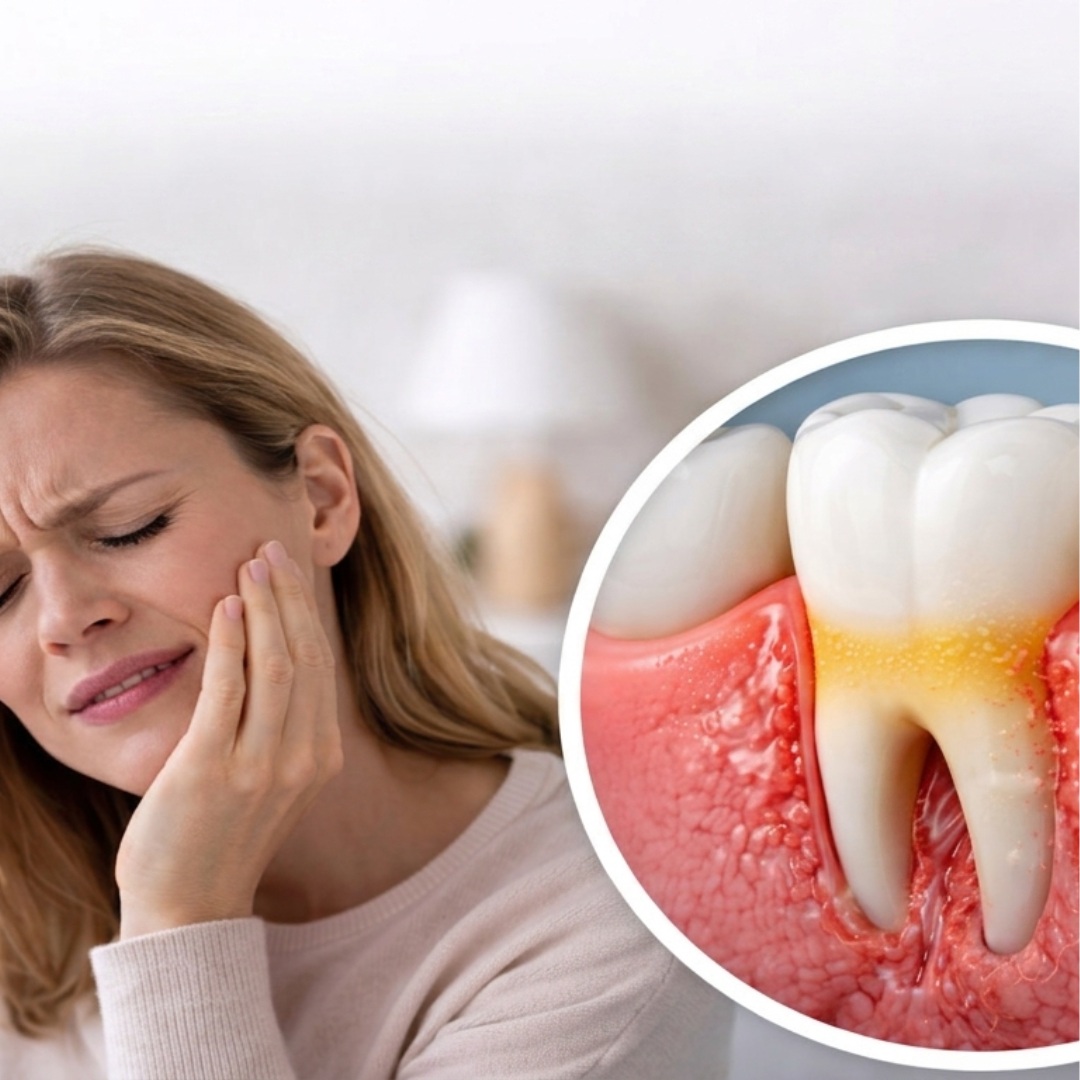
During a checkup, plaque and calculus are removed, reducing inflammation that causes gum disease. Early cavities can be treated with small fillings rather than root canals. Screening for oral cancer or systemic signs (like vitamin deficiencies or diabetes-linked changes) enables faster referral and treatment. Public health organizations such as the Centers for Disease Control and Prevention (CDC) document links between oral health and chronic conditions, supporting routine screening practices: cdc.gov/oralhealth.
How often to schedule regular dental checkups
Frequency depends on risk factors. For many people, visiting every six months balances prevention and cost. Higher-risk patients (smokers, people with diabetes, history of gum disease, or heavy plaque buildup) may need visits every 3–4 months; lower-risk patients may need annual care. Discuss personal risk with a dental professional to set a tailored preventive dental care schedule.
Risk-based frequency examples
- Low risk: once every 12 months
- Typical risk: every 6 months
- High risk: every 3–4 months
DENT checklist: a simple framework to use at each visit
Apply the DENT checklist to ensure each visit is comprehensive and efficient.
- Diagnosis: Request a clear explanation of findings and any photos or X-rays used.
- Education: Ask for two concrete home-care steps to improve the current issue.
- Navigation: Confirm the next visit interval and any specialist referrals if needed.
- Treatment plan: Get a prioritized plan with cost and timing for recommended work.
Real-world scenario
Case: A 45-year-old patient with occasional gum bleeding skipped checkups for three years. At the next visit, early-stage periodontitis was diagnosed. Because the problem was caught before bone loss became severe, treatment was limited to thorough cleaning, a three-month maintenance plan, and home-care changes. Avoiding advanced disease saved the patient from costly surgery and reduced the risk of related systemic inflammation.
Practical tips for getting more from regular dental checkups
- Bring a list of medicines and health changes — certain medications affect oral health.
- Ask for photographs or X-rays to understand findings and track changes over time.
- Request a written preventive dental care schedule tailored to risk factors.
- Keep short-term goals: identify one habit to improve between visits (e.g., floss nightly).
Trade-offs and common mistakes
Common mistakes
- Assuming “no pain” means “no problem” — many issues are painless in early stages.
- Using checkups only for polishing — skipping the discussion that turns findings into a plan.
- Not communicating systemic health changes (meds, pregnancy, diabetes) that affect care.
Trade-offs to consider
More frequent visits reduce the risk of major intervention but increase short-term cost and time. Less frequent visits save time and money now but raise the chance of needing complex, expensive treatment later. Choosing a frequency should balance personal risk, budget, and access to care.
Core cluster questions (use these for deeper reading or internal links)
- What is the ideal preventive dental care schedule for adults with diabetes?
- How do dental checkups detect early signs of oral cancer?
- What are practical ways to reduce dental visit costs while maintaining prevention?
- How do gum disease and heart disease interact, and what screening should be done?
- Which home-care habits produce the largest reductions in cavity risk between visits?
Measuring value: health outcomes and cost savings
Regular dental checkups shift care from reactive to proactive. Early interventions typically cost a fraction of late-stage procedures. Tracking outcomes — fewer fillings, reduced gum pocket depths, and stable X-ray findings — provides measurable justification for preventive scheduling.
Final checklist before booking a visit
- Confirm insurance or payment options and any coverage limits.
- Bring a list of symptoms, medications, and questions (use DENT checklist).
- Request clear instructions for follow-up and a written schedule for next checkup.
FAQ
How often should I schedule regular dental checkups?
Frequency depends on individual risk: common guidance is every six months for many adults, every three to four months for higher risk, and annually for some low-risk people. A dental professional can recommend a tailored preventive dental care schedule based on health, habits, and history.
Do regular dental checkups prevent tooth loss?
Yes. Regular monitoring and professional cleaning reduce gum disease progression and detect decay early. Early treatment significantly lowers the chance of tooth loss compared with delayed care.
Are dental X-rays safe to get at routine checkups?
Dental X-rays use low radiation levels. Modern digital X-rays reduce exposure further. X-rays are used selectively when needed to detect hidden decay, bone loss, or other issues; the benefits generally outweigh the small risk when used appropriately.
What should be included in a preventive dental care schedule?
A preventive schedule should list visit interval, recommended cleanings, oral cancer screening, X-ray timing, and any targeted treatments or maintenance for conditions like gingivitis or dry mouth.
What are the benefits of routine dental visits beyond clean teeth?
Routine visits provide early detection of disease, reduce long-term costs, serve as a screening point for systemic conditions, and offer education that improves daily oral hygiene—collectively improving overall health and quality of life.