Coffs Harbour Local SEO: A Practical Guide to Win More Local Customers
-

- March 05th, 2026
- 238 views

Get a free topical map and start building content authority today.
The digital front door for many customers is search — and for neighborhood-focused businesses, targeted visibility matters most. This article explains how Coffs Harbour local SEO turns nearby searches into foot traffic and calls, and which actions produce measurable results. Coffs Harbour local SEO is the highest-impact channel for small retailers, trades, clinics, and hospitality businesses that depend on local customers.
- Detected intent: Informational
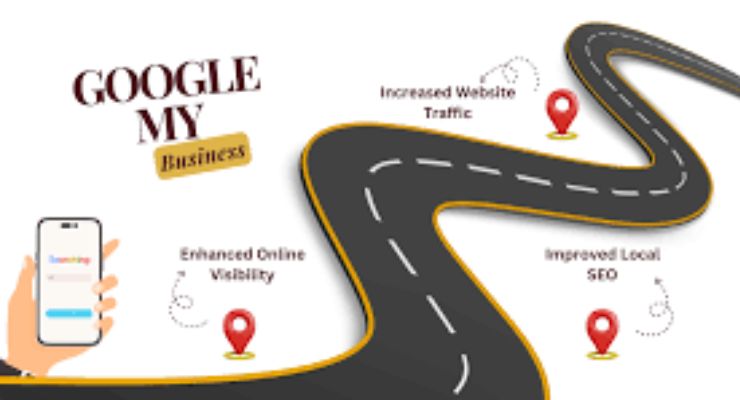
- Local visibility depends on Google Business Profile signals, on-page relevance, and consistent citations.
- Use the CLAIM framework (Claim, Localise, Audit, Improve, Monitor) to structure work.
- Practical steps: verify listings, optimize categories and services, gather reviews, and track local queries.
Coffs Harbour local SEO: What it is and why it matters
Local SEO focuses on improving search presence for queries with local intent — "near me" searches, city-based search terms, and map pack results. For businesses in Coffs Harbour, local search drives three high-value outcomes: in-person visits, phone calls, and booking/conversion actions. Local search visibility uses signals such as Google Business Profile accuracy, NAP (name, address, phone) consistency, relevant local content, backlinks from local sites, and reviews.
How local search rankings work for local businesses
Search engines combine three layers to serve local results: relevance (how well an entry matches the query), distance (how close the business is to the searcher or the searched-for location), and prominence (reputation and authority signals). Prominence includes review volume and quality, local citations, domain authority of linking sites, and behavioral signals like click-through and click-to-call rates. Structured data (schema.org LocalBusiness markup) and properly configured Google Business Profile details help search engines understand offerings and service areas.
CLAIM framework: A named, practical model for local SEO
Use the CLAIM framework to organise local SEO work into repeatable steps:
- Claim — Verify ownership of the Google Business Profile and other directory listings.
- Localise — Add local keywords, service areas, and neighborhood pages; use schema markup where appropriate.
- Audit — Check NAP consistency, citation accuracy, and technical SEO barriers (mobile, speed).
- Improve — Grow reviews, add photos, list products/services, and collect local links.
- Monitor — Track rankings, clicks, calls, and map impressions to guide continuous improvement.
Local SEO checklist for Coffs Harbour businesses
Complete this checklist to cover the essentials:
- Claim and verify Google Business Profile; choose the most accurate category and add service areas.
- Ensure NAP is identical across major directories and local industry listings.
- Publish locally relevant pages or blog posts that reference suburbs (e.g., Sawtell, Woolgoolga) and services.
- Implement LocalBusiness schema on site pages for address, opening hours, and contact.
- Request and respond to customer reviews and resolve negative feedback promptly.
- Use local keywords and variations like "local search optimisation Coffs Harbour" in title tags and headings where natural.
- Make sure the website is mobile-friendly and loads quickly for on-the-go searchers.
Practical steps to start improving local visibility today
Start with these concrete actions that produce measurable gains:
- Verify and optimise the Google Business Profile: accurate category, attributes, business hours, and a concise description.
- Standardise NAP across website footer and major directories; audit with a spreadsheet and fix mismatches.
- Publish one local landing page per primary service area with unique content and localised keywords (avoid duplicate content).
- Ask recent customers for reviews with a simple, polite request and one-click directions; respond to reviews quickly.
- Track phone calls, clicks, and map impressions in the Google Business Profile insights and an analytics tool to measure uplift.
Practical tips
- Use images of real premises and team — photos improve click-through from map listings.
- Include a clear primary phone number on every page and mark it up with tel: links for mobile users.
- Keep business hours and seasonal changes accurate during holidays and special events.
- Use structured data for local business info and products to enhance rich results possibilities.
Common mistakes and trade-offs
Common errors slow or reverse local SEO progress. Understanding trade-offs helps prioritise actions:
Common mistakes
- Inconsistent NAP across directories — this confuses search engines and users.
- Keyword-stuffed local pages that provide poor user value — quality matters more than density.
- Ignoring reviews or leaving negative feedback unaddressed — reputation signals matter greatly.
- Over-optimising for broad keywords at the expense of service-area pages that match local intent.
Trade-offs
- Time vs cost: manual outreach for reviews and local links takes more time but avoids recurring service fees.
- Broad vs local focus: national SEO can bring traffic, but service-area optimisation often converts better for local businesses.
- Speed of change: some fixes (like GBP updates) show results fast; building authoritative local links and content takes longer.
Real-world example: Plumbing company in Coffs Harbour
A small plumbing business in Coffs Harbour improved month-over-month calls by 40% after verifying its Google Business Profile, adding "emergency plumber Coffs Harbour" to its service page, publishing a neighbourhood page for Sawtell, and fixing inconsistent phone numbers across directories. The company focused on getting 20 recent reviews and responded to all feedback; the improved review profile increased map pack placements for related queries.
Measuring success and what to track
Track these metrics weekly or monthly: map impressions, direct calls from the listing, website visits from local pages, conversion actions (appointments/bookings), and review volume and sentiment. Use Google Business Profile insights, Google Analytics, and rank-tracking tools that support local pack positions. For best-practice guidance on local ranking factors and profile management, consult Google's local search documentation: Google's local ranking guide.
Core cluster questions
- How can a Coffs Harbour business get into the Google map pack?
- Which local keywords should a Coffs Harbour cafe target?
- What is the role of reviews in local search rankings?
- How often should local citations be audited and updated?
- How do service-area pages differ from city landing pages?
Next steps
Start with a 2-week sprint: verify the Google Business Profile, fix NAP inconsistencies, publish one local landing page, and request five recent reviews. Use the CLAIM framework to assign ownership and measure outcomes against calls and bookings.
FAQ: How long does Coffs Harbour local SEO take to show results?
Local SEO results often show within 4–12 weeks for basic listing and citation fixes (improved map visibility, more calls). More competitive improvements — building local content authority and links — can take 3–6 months. Tracking the right metrics accelerates learning and prioritisation.
FAQ: What should be included in a Google Business Profile for local SEO?
Include exact business name, current address, phone number, correct primary category, services, operating hours, photos, and a concise description. Regularly post updates and respond to reviews to show activity.
FAQ: Can a home-based business in Coffs Harbour rank locally without a public storefront?
Yes. Use service-area business settings, avoid listing a public-facing address if privacy is required, and focus on service-area pages, local citations, and review collection for the areas served.
FAQ: How many reviews are enough for a local boost?
There is no fixed number; however, consistent recent reviews (dozens over time) and a strong average rating improve trust and click-through. Quality and relevance of reviews often matter more than raw count.