Wisdom Tooth Extraction in Dubai: When It's Necessary and What to Expect
-

- March 07th, 2026
- 470 views
Understanding when to choose wisdom tooth extraction Dubai can prevent pain, infection, and long-term dental problems. This guide explains common indications, the typical extraction process, practical pre- and post-care advice, cost considerations, and when to consult a specialist in Dubai.
- Wisdom tooth extraction is recommended for impacted teeth, infection, decay, or orthodontic reasons.
- Most extractions are done under local anaesthesia; complex cases may require sedation or referral to an oral surgeon.
- Recovery typically takes 3–7 days for basic extractions; full healing can take weeks.
- Detected intent: Informational
When is a wisdom tooth extraction Dubai necessary?
Wisdom tooth extraction Dubai is usually necessary when third molars (wisdom teeth) cause symptoms or present a clear risk to oral health. Common clinical reasons include impaction, pericoronitis (infection around a partially erupted tooth), decay that cannot be restored, damage to adjacent teeth, and preparation for orthodontic work. Professional guidelines from dental authorities like the American Association of Oral and Maxillofacial Surgeons and the NHS support extraction in these scenarios to prevent complications.
Common clinical indications and symptoms
Impacted wisdom teeth
An impacted wisdom tooth fails to emerge fully or comes in at an angle. Impacted teeth frequently cause pain, swelling, and damage to neighboring molars.
Infection and inflammation
Symptoms such as gum swelling, bad taste, difficulty opening the mouth, or persistent pain may indicate pericoronitis or abscess—conditions that often require extraction plus antibiotics in some cases.
Decay and damage
When a wisdom tooth is extensively decayed or contributes to periodontal disease at the back of the mouth, extraction may be the most reliable long-term solution.
Types of extraction and what to expect
Simple extraction
Performed when the tooth has erupted and is accessible. Local anaesthesia is typically sufficient. Recovery is quicker and less uncomfortable than surgical extraction.
Surgical extraction
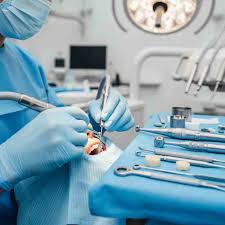
Needed for fully or partially impacted teeth. The dentist or oral surgeon may remove bone or cut the tooth into sections. Sedation or general anaesthesia may be used depending on complexity and patient needs.
Anesthesia and sedation options
Local anaesthesia, inhalation sedation (nitrous oxide), oral sedatives, and general anaesthesia are options. The choice depends on patient anxiety, medical history, and procedure complexity. Pre-op medical evaluation is standard for sedation or general anaesthesia.
DENTAL decision checklist (named framework)
Use the DENTAL decision checklist to decide whether to proceed with extraction or seek specialist care:
- Determine symptoms: pain, swelling, infection?
- Examine imaging: X-ray or CBCT findings (impaction, root position)?
- Note risks: proximity to nerves, sinus, adjacent teeth?
- Talk options: dentist vs oral surgeon—are referrals needed?
- Assess medical history: bleeding disorders, medications, pregnancy?
- Logistics: costs, recovery time, follow-up appointments?
Practical pre-op and post-op tips
Preparing properly and following recovery advice reduces complications like dry socket and infection.
- Arrange transport home if sedation or general anaesthesia is used.
- Follow fasting and medication instructions provided by the clinic.
- Use cold packs during the first 24 hours to reduce swelling, then switch to gentle warm compresses after 48 hours if advised.
- Avoid smoking and vigorous rinsing for at least 48–72 hours to reduce the risk of dry socket.
- Start with soft foods and progress as comfort allows; maintain oral hygiene without disturbing the extraction site.
Common mistakes and trade-offs
Common mistakes
- Delaying treatment when infection is present, which can increase complexity and costs.
- Insufficient imaging: not ordering a CBCT when nerve proximity is suspected.
- Underestimating recovery time and returning to strenuous activity too soon.
Trade-offs to consider
Choosing extraction balances immediate surgical risk and recovery against future risks of infection, decay, and orthodontic disturbance. For young adults, extraction often prevents later complications; for older patients or those with medical comorbidities, conservative monitoring may be preferred when teeth are asymptomatic.
Real-world example
Scenario: A 24-year-old living in Dubai reports intermittent pain behind the last molar and swelling after meals. A panoramic X-ray shows a partially impacted lower right wisdom tooth pressing against the second molar with starting decay on the adjacent tooth. After the DENTAL decision checklist and a consultation, the dentist refers the patient to an oral surgeon for surgical extraction under local anaesthesia with sedation. Recovery follows the practical tips above; the patient returns to normal activity in seven days and avoids further damage to the second molar.
Costs and choosing a clinic in Dubai
Fees vary by clinic, imaging needs, anesthesia type, and whether an oral surgeon is required. For straightforward extractions, many clinics provide an estimate that includes consultation, X-rays, extraction, and follow-up. For complex surgical cases needing CBCT imaging or sedation, expect higher fees. Verify credentials—look for dentists registered with the Dubai Health Authority (DHA) or equivalent licensing bodies—and confirm anaesthesia capabilities and emergency protocols.
Related terms and when to seek urgent care
Key related terms include impacted tooth, pericoronitis, dry socket, local anaesthesia, sedation dentistry, oral surgeon, and CBCT imaging. Seek urgent care if there is severe uncontrollable bleeding, fever with spreading facial swelling, difficulty breathing, or signs of systemic infection.
For evidence-based national guidance on when extraction is recommended and post-op care, see the NHS patient information on wisdom tooth removal: NHS: Wisdom tooth extraction.
Core cluster questions
- When should an impacted wisdom tooth be removed?
- What are the risks of delaying wisdom tooth extraction?
- How long does recovery take after a surgical extraction?
- When is referral to an oral surgeon necessary?
- What imaging is recommended before extracting a wisdom tooth?
Practical tips — quick checklist before booking extraction
- Confirm license and anaesthesia capabilities of the clinic or surgeon.
- Request imaging and a written treatment plan with cost breakdown.
- Discuss pain control options and prescriptions for antibiotics if infection is present.
- Arrange post-op transport if sedation or general anaesthesia will be used.
FAQ
How painful is a wisdom tooth extraction in Dubai?
Pain during the procedure is limited by local anaesthesia or sedation. Post-operative discomfort is normal for 2–7 days and is usually controlled with prescribed pain medication and cold packs. Follow-up with the treating clinician if pain intensifies after 48–72 hours to rule out complications like dry socket.
How much does a wisdom tooth extraction Dubai typically cost?
Costs vary widely. Simple extractions are less expensive than surgical removals requiring sedation or an oral surgeon. Always ask clinics for a written estimate including imaging, anesthesia, surgery fees, and follow-up visits.
What should be expected during a wisdom tooth extraction Dubai procedure?
Expect a consultation with clinical exam and imaging, explanation of anaesthesia options, the procedure under chosen anaesthesia, a short recovery period at the clinic for sedation cases, and post-op instructions including analgesics, signs of complications, and a follow-up appointment.
How long does it take to recover from a surgical extraction?
Initial recovery that allows return to most daily activities typically takes 3–7 days. Full bone and soft-tissue healing can take several weeks to months depending on surgical complexity and individual healing.
When should a dentist refer a patient to an oral surgeon?
Referrals are common for deeply impacted teeth, teeth near the inferior alveolar nerve or maxillary sinus, medically complex patients, or when general anaesthesia or advanced surgical expertise is expected to improve safety and outcomes.