10 Best Hairstyles for Balding: Stylish Looks for Thinning Hair
-

- Published Updated
- 1,826 views
Hairstyles for Balding: Top 10 Options
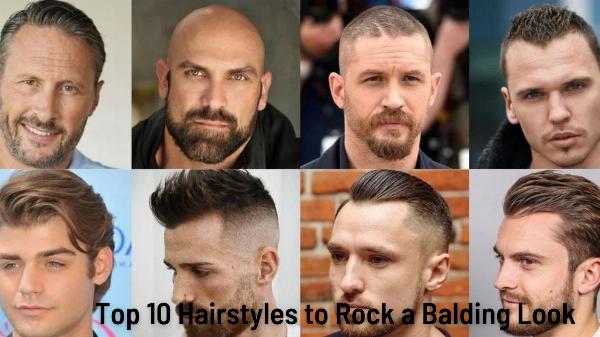
Many people seek practical, flattering options when facing hair loss. This article lists popular hairstyles for balding that work with different hair textures, scalp shapes, and personal styles. Each option focuses on minimizing the visual impact of thinning hair while offering simple maintenance and styling approaches.
- Short, textured cuts and fades can reduce contrast between scalp and hair.
- Shaved or very short looks provide a low-maintenance, confident style.
- Styling products and regular barber visits help maintain shape and proportion.
Hairstyles for Balding: Top 10 Hairstyles to Try
1. Buzz Cut
The buzz cut is a classic, low-maintenance option that minimizes the contrast between hair and scalp. It works for most head shapes and ages and can be adjusted by clipper guard length to suit personal preference.
2. Clean Shave
Completely shaving the head creates a deliberate, modern look that removes attention from thinning patches. Regular upkeep keeps the silhouette crisp; some prefer to alternate between a shaved scalp and short trims.
3. Short Textured Crop
A short crop with textured top layers adds volume and reduces the appearance of thinning by breaking up light reflection on the scalp. Request a textured finish from a barber to maintain a natural, tousled look.
4. Crew Cut
The crew cut keeps hair slightly longer at the front and top, which can balance a receding hairline without overwhelming thinning areas. It is versatile and easy to style for casual or formal settings.
5. Skin Fade with Short Top
A skin fade on the sides paired with a short, textured top reduces visual contrast at the hairline and frames the face. Fades emphasize a clean shape and can modernize a traditional short haircut.
6. Caesar Cut
Featuring a short fringe, the Caesar cut helps conceal a receding hairline and works well with straight or slightly wavy hair. Keep the fringe textured to avoid a heavy, unnatural line.
7. Ivy League
The Ivy League keeps a little more length on top for styling while maintaining short sides. It offers a refined appearance and allows light product use to create lift or side-swept looks that soften thinning.
8. Short Pompadour or Sweep
A modest pompadour or swept style with shorter sides can add perceived volume at the front. Avoid exaggerated height; moderate lift and texture produce a contemporary, balanced silhouette.
9. Faux Hawk or Short Mohawk
For those seeking an edgier approach, a short faux hawk concentrates hair toward the center of the scalp, diverting attention from thinning temples. Keep the sides neat to preserve proportion.
10. Pixie or Short Layers (for women)
Short layered cuts, like a textured pixie, work well for women with thinning hair. Layers create movement and fullness while simplifying styling and reducing weight that can accentuate thinness.
How to Choose a Cut That Suits Thinning Hair
Selection depends on hair texture, scalp visibility, face shape, and lifestyle. Shorter styles typically require less product and can make thinning less noticeable. For those preferring longer hair, strategic layering and textured ends help maintain the appearance of volume. A licensed barber or stylist can recommend proportions that complement facial features and daily routines.
Styling and Maintenance Tips
- Use lightweight, matte-finish products (pastes, matte pomades) to add texture without shine that highlights the scalp.
- Regular trims every 3–6 weeks keep short cuts sharp and reduce contrast between hair and scalp.
- Blending and tapered sides reduce visual focus on thinning at the crown or hairline.
- For scalp care and to understand underlying causes of significant hair loss, consult resources from professional bodies such as the American Academy of Dermatology (AAD).
When to Consult a Professional
A barber or stylist can adapt cuts and recommend suitable products. If hair loss is sudden, extensive, or accompanied by scalp symptoms, a consultation with a dermatologist or primary care provider can clarify causes and appropriate options. Official organizations and peer-reviewed dermatology literature provide evidence-based information on hair disorders and treatments.
Practical Considerations
Budget, maintenance time, and personal comfort with visible scalp shapes should guide style choice. Many find that committing to a shorter, intentional cut improves overall confidence compared with trying to hide thinning with longer styles that may draw more attention.
FAQ
What are the best hairstyles for balding?
Short, textured cuts like the buzz cut, crew cut, and short crop are widely recommended because they reduce contrast between hair and scalp. Shaving the head and well-executed fades are other popular options. Choice depends on face shape, hair texture, and personal preference.
Can styling products help make thinning hair look fuller?
Yes. Lightweight, matte-texture products and volumizing styling aids can add lift and separation. Avoid heavy, shiny products that make the scalp more noticeable. A stylist can suggest product quantities and application techniques suited to specific cuts.
Is it better to shave the head or keep some length?
Both approaches are valid. Shaving simplifies maintenance and offers a strong, consistent look. Keeping some length allows styling options that can soften a receding line or add perceived volume. Personal comfort and grooming routines usually determine the best choice.
When should a dermatologist be consulted about hair loss?
Seek medical advice if hair loss is rapid, patchy, or accompanied by itching, redness, or pain. A dermatologist can evaluate underlying causes and discuss evidence-based interventions when appropriate.
How often should short styles be trimmed to look their best?
Many short styles benefit from trims every 3–6 weeks to maintain shape and minimize contrast between hair and scalp. Frequency depends on growth rate and the desired level of neatness.