3D-Printed Surgery Helps Woman Walk Again After Rare Bone Disease
-

- May 07th, 2026
- 7,692 views
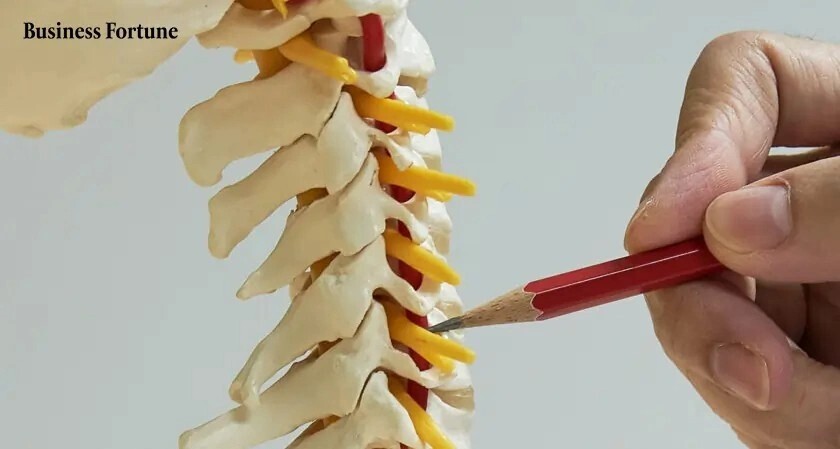
A Breakthrough That Redefines Modern Medicine
In a remarkable leap forward for modern medicine, 3D-Printed Surgery has helped a woman regain her ability to walk after suffering from a rare and debilitating bone disease. This breakthrough not only represents a personal victory for the patient but also signals a major shift in how complex medical conditions may be treated in the future. As healthcare continues to merge with advanced technology, stories like this highlight the transformative power of innovation—and raise an important question: are we entering a new era of fully personalized surgical solutions?
For years, the patient struggled with a rare bone disorder that progressively weakened her skeletal structure, making even the simplest movements painful and eventually impossible. Traditional treatment options offered limited success, often focusing on managing symptoms rather than addressing the root cause. Surgical interventions were considered too risky due to the complexity of her condition. But everything changed when doctors introduced an advanced approach—3D-Printed Surgery.
This revolutionary technique involves creating patient-specific implants and surgical guides using 3D printing technology. Unlike conventional implants, which are mass-produced and may not perfectly match a patient’s anatomy, 3D-printed components are tailored precisely to the individual. In this case, doctors used detailed imaging scans to design a custom implant that would fit seamlessly into the patient’s bone structure, restoring both stability and function.
What makes 3D-Printed Surgery so groundbreaking is its ability to bridge the gap between precision and personalization. Surgeons can now plan procedures with unmatched accuracy, reducing the risk of complications and improving overall outcomes. For this patient, it meant the difference between lifelong immobility and a second chance at independence.
How 3D-Printed Surgery Is Shaping the Future of Healthcare
But how exactly did this procedure succeed where others failed?
The answer lies in the combination of advanced imaging, digital modeling, and additive manufacturing. First, doctors conducted high-resolution scans of the affected area to understand the exact nature of the bone damage. Then, using specialized software, they created a 3D model of the patient’s anatomy. This model served as the blueprint for designing a custom implant that would not only replace the damaged bone but also support natural movement.
Once the design was finalized, the implant was produced using biocompatible materials through a 3D printing process. This allowed for intricate structures that mimic the strength and flexibility of natural bone—something traditional manufacturing methods struggle to achieve. The result was a perfectly fitted implant that integrated seamlessly with the patient’s body.
The surgery itself was equally precise. With the help of custom surgical guides, doctors were able to position the implant with incredible accuracy, minimizing tissue damage and reducing recovery time. Within weeks, the patient began to regain mobility. Months later, she was walking again—something that once seemed impossible.
This success story is more than just a medical milestone; it’s a glimpse into the future of healthcare. As 3D-Printed Surgery continues to evolve, its applications are expanding rapidly. From orthopedic procedures to cranial reconstructions and even organ modeling, the potential is vast. Hospitals and research institutions around the world are investing heavily in this technology, recognizing its ability to improve patient outcomes while reducing costs in the long run.
However, the rise of 3D-Printed Surgery also raises important considerations. Accessibility remains a challenge, as the technology requires specialized equipment and expertise that may not be available in all healthcare settings. Additionally, regulatory frameworks are still catching up with the rapid pace of innovation, creating uncertainty around standardization and approval processes.
Despite these challenges, the momentum behind this technology is undeniable. Experts believe that as costs decrease and adoption increases, 3D-Printed Surgery could become a standard practice in treating complex medical conditions. This would mark a significant shift from one-size-fits-all solutions to truly personalized medicine—where treatments are designed specifically for each individual patient.
For patients suffering from rare or complex conditions, this advancement offers renewed hope. It demonstrates that even the most challenging cases can be addressed with the right combination of technology and expertise. And for the medical community, it underscores the importance of embracing innovation to push the boundaries of what’s possible.
So, what does this mean for the future?
Could we soon see a world where surgeries are planned and executed entirely through digital simulations? Where implants are printed on demand, tailored to each patient’s unique anatomy? And where recovery times are significantly reduced thanks to precision-driven procedures?
These questions are no longer hypothetical—they are becoming reality.
The story of this woman’s recovery is a powerful reminder of how far we’ve come—and how much further we can go. It highlights the incredible potential of 3D-Printed Surgery to transform lives, offering solutions where none existed before. But it also invites us to look deeper into this rapidly evolving field and understand the innovations shaping the future of healthcare.
If you’re curious to explore the full details behind this groundbreaking procedure, including expert insights and the technology driving it, don’t miss the complete story.
👉 Read the full article here: https://bizfortune.com/2026/05/3d-printed-surgery-rare-bone-disease
👉 Stay updated with the latest breakthroughs and global innovations by following Business Fortune for daily insights.
As medical science continues to evolve, one thing is clear: the fusion of technology and healthcare is unlocking possibilities that were once unimaginable. And at the heart of this transformation lies a simple yet powerful idea—innovation can change lives.