3PL Beyond Amazon FBA: Scalable Fulfillment Strategies for U.S. E-Commerce
-

- Published Updated
- 1,642 views
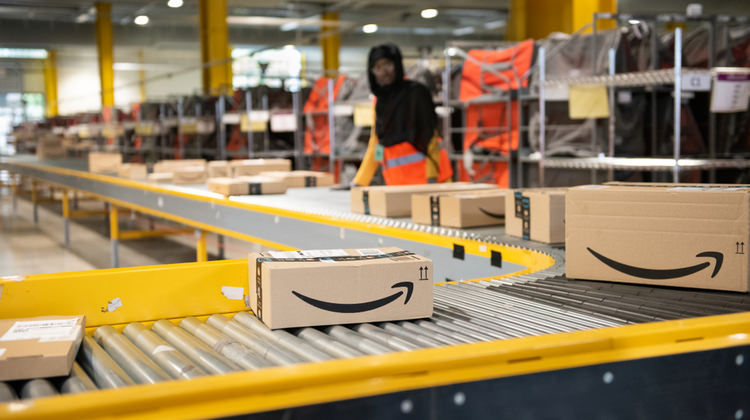
Adopting 3PL beyond Amazon FBA can unlock new fulfillment options for U.S. e-commerce sellers seeking better control over inventory, faster shipping, and diversified distribution channels. Third-party logistics providers offer services from warehousing and order fulfillment to reverse logistics, transportation management, and value-added services that help merchants scale without heavy capital investments.
- 3PL providers extend capabilities beyond Amazon FBA with flexible warehousing, omnichannel fulfillment, and custom value-added services.
- Key considerations include cost structure, geographic coverage, technology (WMS/TMS), compliance, and returns handling.
- Regulatory and import requirements—such as those overseen by U.S. Customs and Border Protection—affect international supply chains.
- Choosing the right 3PL aligns service levels, integrations, and business goals to reduce total landed cost and improve customer experience.
3PL beyond Amazon FBA
What '3PL' typically includes
Third-party logistics (3PL) companies provide outsourced logistics services that commonly include warehousing, pick-and-pack fulfillment, inventory management, cross-docking, transportation and carrier management, last-mile delivery coordination, and return processing (reverse logistics). Many 3PLs also offer value-added services such as kitting, labeling, compliance inspections, and bulk fulfillment for B2B clients.
Why sellers consider alternatives to FBA
Control, cost transparency, and brand experience
Relying exclusively on a single marketplace fulfillment option can limit control over packaging, branding, and customer experience. Using 3PL partners allows sellers to design custom packing, include inserts, and maintain direct relationships with carriers. Cost transparency often improves when carriers and storage rates are negotiated through a dedicated 3PL rather than a single-platform fee model.
Scale and geographic reach
Multi-site 3PL networks and regional fulfillment centers reduce transit times and shipping costs by placing inventory closer to customers. For sellers pursuing omnichannel strategies—selling on marketplaces, direct websites, and brick-and-mortar—distributed inventory and intelligent order routing reduce delivery time and complexity.
Key operational capabilities to evaluate
Technology: WMS, TMS, and integrations
A capable warehouse management system (WMS) and transportation management system (TMS) are essential. Evaluate a 3PL’s ability to integrate with e-commerce platforms, marketplaces, and ERP systems for real-time inventory visibility, automated order routing, and reporting.
Inventory strategy and SKU management
Assess how the 3PL handles SKU reconciliation, cycle counts, minimum order quantities, and safety stock. Effective inventory management reduces stockouts and excess carrying costs while enabling promotions and seasonal spikes.
Fulfillment speed and carrier options
Compare service-level agreements (SLAs) for pick-and-pack times, cut-off windows, and access to multiple carrier contracts. A 3PL that offers parcel, LTL, and freight options gives flexibility for both small orders and bulk shipments.
Compliance, imports, and regulatory considerations
Customs, duties, and documentation
International sourcing and cross-border fulfillment introduce customs clearance, duties, and documentation requirements. Reference and follow guidance from relevant authorities to avoid delays; for import best practices see U.S. Customs and Border Protection guidance on importing and exporting goods: https://www.cbp.gov/trade/basic-import-export. Additional oversight from the Federal Trade Commission and Department of Transportation may apply depending on product category and shipping method.
Product compliance and labelling
Ensure the 3PL can manage regulatory labeling, hazardous materials handling, and any industry-specific compliance checks. Noncompliance can lead to fines, inventory holds, or product seizures.
Cost considerations and pricing models
Common fee structures
3PL pricing commonly includes storage (monthly or per-cubic-foot), pick-and-pack (per-order and per-item), receiving and put-away fees, returns processing, and special handling for kitting or custom packaging. Evaluate total landed costs, not only nominal per-order fees, to compare providers accurately.
Hidden costs to watch
Look for fees for long-term storage, inventory reconciliation discrepancies, minimum billing periods, and EDI or API setup charges. Contract terms should clearly state SLA remedies and volume-based pricing tiers to avoid surprises.
How to choose a 3PL partner
Checklist for vetting providers
- Geographic coverage and carrier relationships that align with customer base.
- Technology stack and integrations with current sales channels and ERP systems.
- Transparency of pricing and examples of total cost analyses.
- Service level agreements, accuracy rates, and sample reporting capabilities.
- References, insurance and liability terms, and contingency planning for peak seasons.
Pilot programs and phased migrations
Start with a pilot SKU set or regional rollout to validate pick accuracy, transit times, and customer feedback. Use performance metrics—order accuracy, on-time delivery, return rates, and inventory shrink—to decide on full migration.
Future trends in 3PL and e-commerce
Automation, data, and sustainability
Investment in warehouse automation (conveyor systems, robotics), AI-driven demand forecasting, and greener transportation options is shaping the next generation of 3PL services. Sustainability programs—including carbon reporting and optimized route planning—are increasingly important to customers and regulators.
Omnichannel and direct-to-consumer growth
As brands expand direct-to-consumer channels, 3PLs that can handle mixed orders (B2C and B2B), subscription shipments, and pop-up or retail replenishment will be in higher demand.
Frequently asked questions
What is 3PL beyond Amazon FBA and why consider it?
3PL beyond Amazon FBA refers to using third-party logistics providers instead of—or in addition to—marketplace fulfillment. Consider it for greater flexibility in packaging and branding, better multi-carrier options, regional warehousing to reduce transit times, and tailored services such as kitting or B2B fulfillment.
How do 3PL costs typically compare to marketplace fees?
Costs vary by volume, product size, and service levels. Marketplace fees often include convenience but can be higher for storage and long-term inventory. A detailed total cost comparison, including shipping, storage, returns handling, and SLA penalties, shows where savings or trade-offs exist.
Can a business use multiple 3PLs and a marketplace program at the same time?
Yes. Multi-provider strategies—such as splitting inventory between a marketplace program and independent 3PLs—can optimize speed, costs, and risk. This requires strong inventory visibility and order routing rules to avoid oversells and returns complexity.
What questions should be included in a 3PL RFP?
Ask about onboarding timelines, integrations, sample rate cards, SLA metrics, insurance limits, disaster recovery plans, and references from businesses of similar size and industry.
How does using a 3PL affect returns and reverse logistics?
A capable 3PL will offer standardized returns processing, inspection, refurbishment, and disposition options. Clear procedures reduce refund times and can recover value through reselling or refurbishing returned inventory.
Choosing the right 3PL beyond Amazon FBA requires balancing cost, control, and customer experience. Careful vetting, pilot testing, and performance monitoring create a foundation for scalable, resilient e-commerce fulfillment.