Top 7 Phonics Puzzles & Games Apps for Kids: Practical Picks and How to Choose
-

- Published Updated
- 697 views
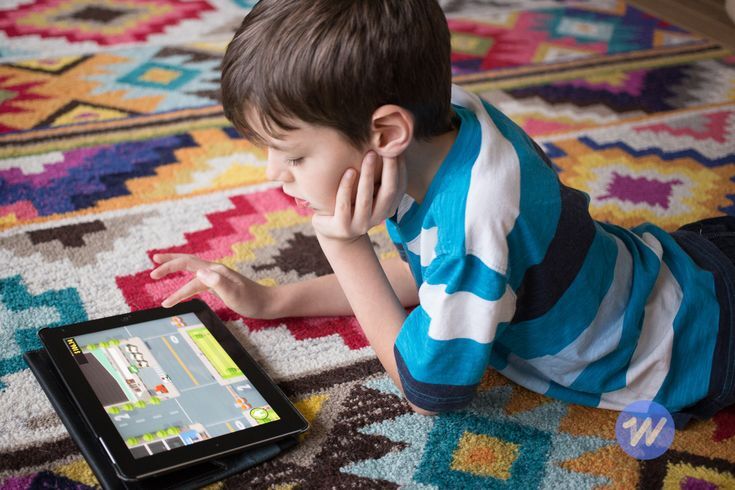
Finding high-quality phonics puzzles apps for kids can speed letter-sound learning, boost decoding, and make practice enjoyable. This article lists seven strong app choices, explains what to look for, and offers a practical checklist for selecting and using phonics games effectively.
- Seven phonics puzzle and game apps are summarized with target skills, best ages, and design notes.
- Includes the PLAY-READ checklist to evaluate apps and 4 practical tips for home use.
- Explains trade-offs (engagement vs. instruction) and common mistakes when relying on apps alone.
Detected intent: Commercial Investigation
Top 7 phonics puzzles apps for kids — quick picks
Below are seven phonics puzzles and games apps that illustrate different approaches: systematic instruction, gameified practice, decodable stories, and letter-sound matching. Each entry notes the primary phonics skill, typical age range, and what to watch for in classroom or home use.
- App A — Letter-sound matching puzzles: Focuses on phoneme–grapheme correspondence with drag-and-drop puzzles. Best for ages 3–6. Strengths: repeated sound mapping and visual cues. Watch for: too much hinting that reduces challenge.
- App B — Decodable story games: Short decodable passages unlocked by solving word puzzles. Best for ages 5–8. Strengths: applies phonics in context and builds fluency. Watch for: story length may be long for early emergent readers.
- App C — Phoneme manipulation puzzles: Games that require blending and segmenting to advance. Best for ages 4–7. Strengths: builds phonemic awareness. Watch for: headphones recommended for clear audio.
- App D — Rhyme and onset–rime puzzles: Rhyming sorting games that teach onset–rime patterns. Best for ages 3–6. Strengths: supports phonological awareness, a precursor to phonics. Watch for: limited grapheme practice.
- App E — Multilevel phonics arcade: Adaptive levels, reward system, and quick minigames for CVC words and blends. Best for ages 4–8. Strengths: strong engagement and spaced repetition. Watch for: in-app incentives may distract from learning goals.
- App F — Sound-to-letter puzzles with recording: Child records sound and matches to letters; useful for pronunciation and articulation. Best for ages 4–7. Strengths: formative feedback through recordings. Watch for: privacy and microphone access settings.
- App G — Mixed-skill phonics board: Combines letter tiles, word building, and puzzle boards for small-group play. Best for ages 5–9. Strengths: cooperative play and scaffolding. Watch for: complexity for the youngest users.
How to choose: the PLAY-READ checklist
Use the PLAY-READ checklist to evaluate any phonics games or phonics puzzles apps for kids before adding them to daily practice.
- P — Phonics alignment: Does the app teach explicit grapheme-phoneme relationships and follow a predictable scope and sequence?
- L — Level matching: Are levels adjustable to the child’s current skills, avoiding too-easy or too-hard tasks?
- A — Adaptive feedback: Does the app give corrective feedback and opportunities to retry errors?
- Y — Yield measurable practice: Is progress tracked in a way that shows mastered skills (letters, CVCs, blends)?
- R — Read-aloud support: Are decodable texts or voiced prompts included to connect skills to reading?
- E — Engagement without excess: Are rewards supportive of practice rather than purely token-based loops?
- A — Accessibility & privacy: Does it support multiple inputs (touch, voice) and protect child data?
- D — Durability: Is the content reusable (spaced repetition, varied examples) rather than one-off puzzles?
Why phonics apps can help — evidence and best practice
Systematic phonics instruction improves early decoding and prevents reading difficulties when combined with classroom instruction and adult guidance. For a summary of the National Reading Panel's conclusions on systematic phonics, see the National Institute of Child Health and Human Development review: National Reading Panel (NRP) summary.
Practical tips for using phonics games with children
- Limit sessions to 10–15 minutes for preschoolers; shorter, focused practice beats long passive play.
- Pair app time with a quick hands-on activity (magnetic letters, writing a word) to reinforce transfer from screen to paper.
- Watch for mastery signals: consistent correct answers without prompts or hints. Then move to the next targeted skill.
- Use apps that allow caregiver settings—turn off extraneous rewards or limit ads to keep attention on phonics practice.
Trade-offs and common mistakes when relying on apps
Trade-offs
Engagement vs. instruction: Highly gamified apps sustain attention but may obfuscate explicit instruction. Choose apps with clear teaching objectives and use gamified features to motivate rather than replace teaching.
Common mistakes
- Assuming all games labeled "phonics" are systematic—check scope and sequence.
- Using apps as passive babysitters—interactive guidance from adults doubles learning gains.
- Ignoring assessment—without tracking mastery, practice can repeat the same errors.
Short real-world example: choosing an app for a 4-year-old
Scenario: A 4-year-old recognizes letters but struggles to blend sounds into CVC words. The parent uses the PLAY-READ checklist to select an app focused on phoneme blending and adaptive feedback. After two weeks of 10-minute daily sessions plus magnetic-letter practice, the child successfully blends initial, middle, and final sounds for simple words. The app’s progress reports show quicker sound-to-letter mapping and fewer hint uses, signaling readiness to add decodable stories.
Core cluster questions
- How do games teach letter-sound correspondence effectively?
- What features indicate an evidence-based phonics app?
- How long should screen-based phonics practice sessions be for preschoolers?
- What activities pair well with phonics puzzles to boost retention?
- How to assess progress when using phonics apps at home?
FAQ
What are the best phonics puzzles apps for kids?
There is no one-size-fits-all answer. The best phonics puzzles apps for kids meet explicit phonics goals, adapt to the child’s level, provide corrective feedback, and connect game practice to reading tasks. Use the PLAY-READ checklist above to compare options based on skill focus (phonemic awareness, grapheme-phoneme mapping, blending, decodable reading).
Can phonics games replace teaching from a caregiver or teacher?
No. Apps are most effective as a supplement. Adult-led modeling, guided practice, and paper-based activities reinforce transfer from digital tasks to real-world reading. Regular review and simple assessments ensure apps address specific gaps.
Are phonics games appropriate for preschoolers and kindergarteners?
Yes, when designed for emergent literacy: focus on phonological awareness (rhymes, onset–rime), single-sound recognition, and gradual blending tasks. Short, repetitive sessions tailored to attention span yield the best early results.
How to check app privacy and safety for young kids?
Review permissions (microphone, camera), read the privacy policy for data collection practices, and prefer apps that follow COPPA guidelines or equivalent local child-privacy standards. Use device-level controls to restrict in-app purchases and ads.
How can progress be measured when using phonics puzzle apps?
Good apps include level data, mastery indicators, and error logs. Track metrics such as percent correct on targeted skills, hint dependency, and time to complete levels. Combine these with short offline checks—reading a set of decodable words—every 1–2 weeks to confirm transfer.
Related terms and concepts: phonemic awareness, grapheme–phoneme correspondence, decodable text, blending, segmenting, systematic phonics, emergent literacy.