8 Best Weekend Himalayan Treks for Short Getaways
-

- February 23rd, 2026
- 1,433 views

FREE SEO Topical Map Generator: Find Your Next Content Ideas
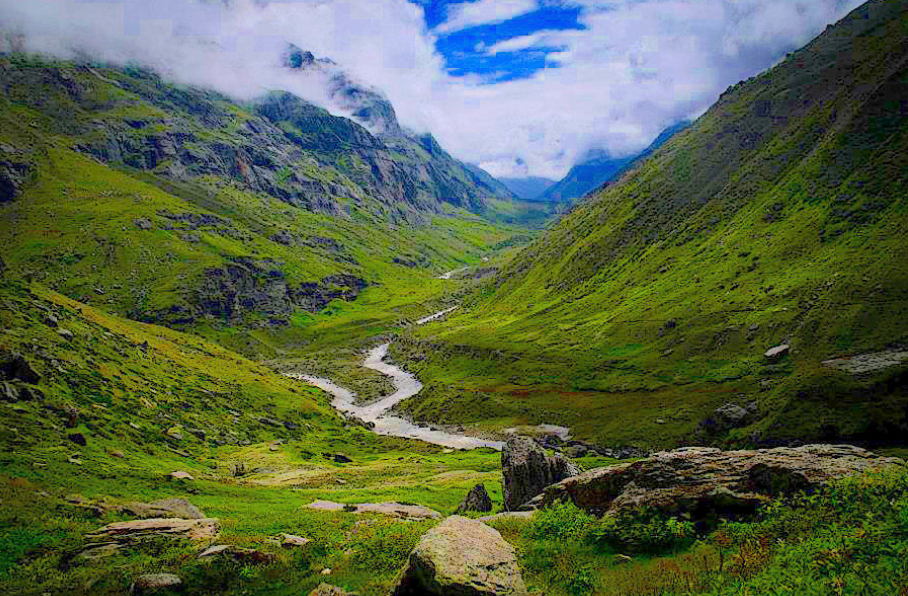
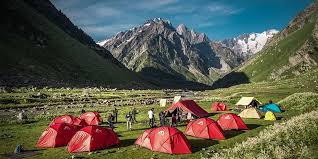
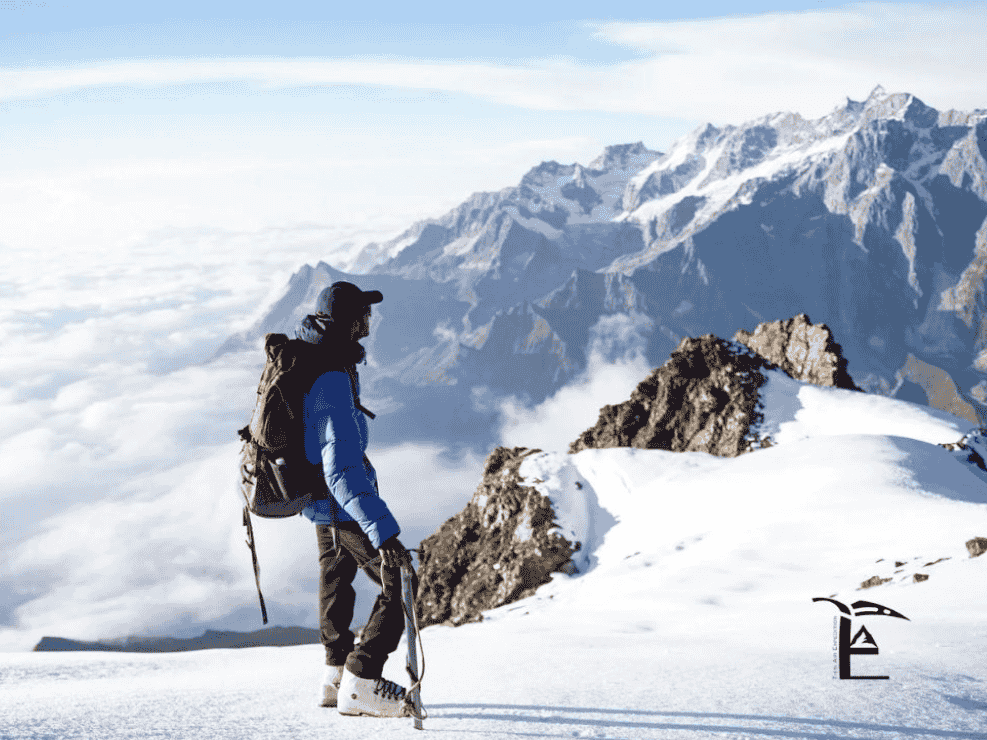
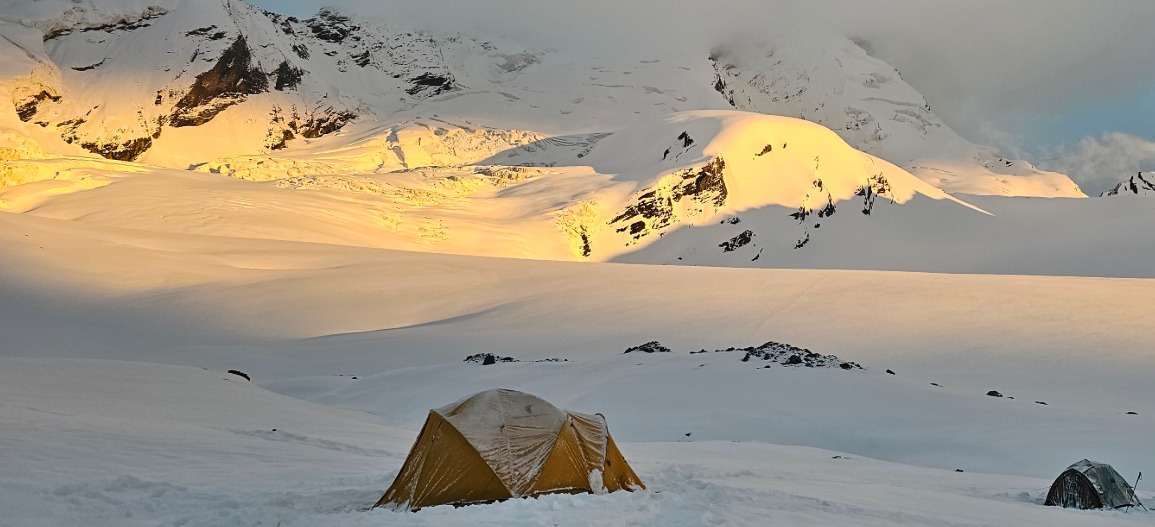
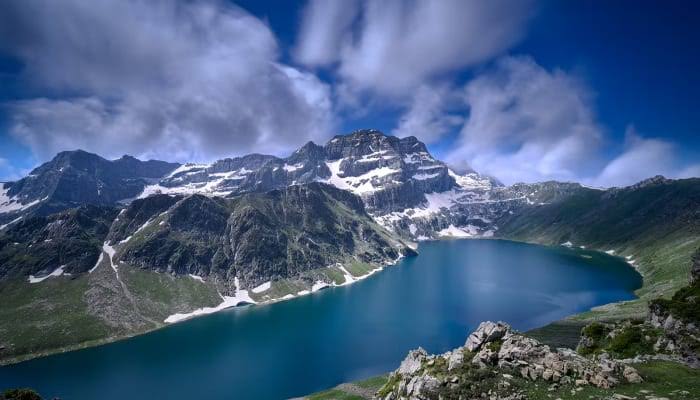
Weekend Himalayan treks can provide dramatic mountain scenery, high-altitude meadows, and cultural exposure without the time commitment of multi-week expeditions. This guide outlines eight accessible routes across the Himalaya, with practical details on duration, difficulty, best seasons, permits, and safety considerations.
- Primary focus: short, 1–3 day treks suitable for a weekend
- Regions covered: Indian Himalaya, Nepal, Bhutan
- Typical altitude range: 1,500–4,000 m
- Permits: often required for protected areas or border regions
- Key safety notes: allow time for basic acclimatization and carry emergency communication
Top 8 weekend Himalayan treks
The following selections prioritize accessibility from nearby towns, scenic variety, and feasibility as two- to three-day outings. Each trek includes a brief route outline, difficulty rating, best season, and permit or regulation notes where relevant.
1. Triund (Dharamshala, Himachal Pradesh, India)
Route: McLeod Ganj to Triund ridge and back. Duration: 1–2 days. Difficulty: easy to moderate. Highlights: sweeping views of the Dhauladhar range, alpine meadows, and sunset vistas. Best season: March–June and September–November. Notes: No special permits for the basic trek; local village regulations should be respected.
2. Kedarkantha Base to Summit (Uttarakhand, India)
Route: Sankri to Kedarkantha base and optional summit return. Duration: 2–3 days (shorter weekend variants start from Juda Ka Talab). Difficulty: moderate. Highlights: panoramic Himalayan peaks, winter snow trekking opportunities for experienced walkers. Permits: entry to Govind Wildlife Sanctuary may require permits; local tourism authorities provide details.
3. Poon Hill (Ghorepani-Poon Hill, Nepal)
Route: Nayapul or Pokhara to Ghorepani, early summit to Poon Hill viewpoint. Duration: 2 days. Difficulty: easy to moderate (steep steps). Highlights: sunrise views over Dhaulagiri and Annapurna ranges, terraced village landscapes. Best season: October–December and March–April. Permits: Annapurna Conservation Area Permit (ACAP) and TIMS card are required for foreign nationals; check the Nepal Tourism Board for current rules (official tourism site).
4. Chopta–Tungnath (Uttarakhand, India)
Route: Road to Chopta then trekking to Tungnath temple and Chandrashila peak. Duration: 1–2 days. Difficulty: moderate (short but steep ascent). Highlights: views of Nanda Devi and other high peaks, one of the highest Shiva temples. Best season: year-round access in non-monsoon periods; winter may require snow gear.
5. Triund to Indrahar Pass (short variant) (Himachal Pradesh, India)
Route: McLeod Ganj to Triund and an extended push toward Indrahar Pass, return to Triund. Duration: 2 days for the short variant. Difficulty: moderate to difficult if attempting pass; suitable only for fit walkers on short variants. Highlights: rugged high ridges, contact with Lahaul valley views. Permits: none for the short route, but check local forest office for regulations on longer traverses.
6. Sarangkot—Australian Camp loop (near Pokhara, Nepal)
Route: Short ridge hikes around Sarangkot and Australian Camp with village trails. Duration: 1 day popular; 1–2 days with overnight. Difficulty: easy. Highlights: sunrise views over the Pokhara valley and Fishtail (Machapuchare). Permits: local conservation fees may apply in some community-managed areas.
7. Phobjikha Valley short walks (Bhutan)
Route: Short treks in the Phobjikha glacial valley, including viewpoints and Gangtey Goenpa. Duration: 1–2 days. Difficulty: easy. Highlights: wide valley, black-necked crane conservation areas, traditional Bhutanese villages. Permits: Bhutan requires tourism permits arranged through licensed operators or government channels; consult the Tourism Council of Bhutan.
8. Nag Tibba (Garhwal Himalaya, India)
Route: Pantwari to Nag Tibba summit and return. Duration: 1–2 days. Difficulty: moderate. Highlights: panoramic views of Bandarpoonch and Gangotri ranges, popular among weekend hikers from Delhi and Dehradun. Notes: entry regulations vary with seasonal forest restrictions; check local forestry department updates.
Planning, safety and practical considerations
Short mountain treks still require basic planning. Essential topics include acclimatization, weather, navigation, permits, and environmental responsibility.
Acclimatization and altitude
Most weekend Himalayan treks remain below extreme altitudes, but some approaches and early-morning summit pushes can exceed 3,000–4,000 m. Allow time for gradual ascent, recognize signs of acute mountain sickness, and follow guidance from medical authorities and mountain rescue organizations.
Permits, regulations and local authorities
Permit requirements differ by country and protected area: for example, Annapurna Conservation Area permits (Nepal), certain wildlife sanctuary passes in Uttarakhand, and Bhutanese tourism permits. National and regional tourism departments or conservation authorities provide current rules—contact local offices before travel.
Environmental and cultural considerations
Follow Leave No Trace principles, respect local customs, and use registered guides when required. Many trekking regions are within sensitive ecosystems and community-managed areas; fees often support conservation and local livelihoods.
Gear checklist and fitness
For a weekend trek, essential items include layered clothing, waterproof shell, sturdy hiking boots, headlamp, basic first-aid and emergency shelter, sufficient food and water treatment, map or GPS, and a charged communication device. Basic cardiovascular fitness and several weeks of preparatory walks will increase comfort and safety on steep approaches.
Frequently asked questions
What are the best weekend Himalayan treks for beginners?
Beginner-friendly options include Poon Hill (Nepal), Sarangkot–Australian Camp (near Pokhara), Triund (Himachal Pradesh), and the Chopta–Tungnath route (Uttarakhand). These offer manageable daily distances, clear paths, and lower risk of significant altitude-related issues when planned carefully.
Is a guide required for weekend Himalayan treks?
Guide requirements vary by country and specific route. Some regions mandate licensed guides or porters (notably parts of Bhutan and certain protected areas). Even where not required, hiring a local guide supports navigation, safety, and the local economy.
How should altitude sickness be managed on short treks?
Prevention includes gradual ascent, hydration, and avoiding rapid climbs above 3,000 m on the same day. Descend promptly if symptoms worsen. Official health organizations and mountain rescue services provide detailed medical guidance for severe cases.
When is the best time to attempt weekend Himalayan treks?
Late spring (March–June) and autumn (September–November) are generally the most stable, with clearer skies and moderate temperatures. Monsoon months bring heavy rain and landslide risk in many regions; winter conditions require snow skills and equipment for some routes.
For permit requirements, up-to-date route information, and safety advisories, consult local tourism authorities or national bodies such as regional forest departments and mountaineering federations before planning a trip.