9H Nano Coating for Cars — Practical Guide to Lasting Shine & Surface Protection
-

- March 23rd, 2026
- 391 views

Get a free topical map and start building content authority today.
Overview: What this guide covers
Understanding 9H nano coating for cars helps owners protect paint, reduce maintenance, and keep a high-gloss finish longer. This guide explains how 9H-level nano or nano-ceramic coatings work, realistic benefits, application steps, and common mistakes to avoid.
- 9H refers to a hardness rating on the pencil hardness scale used to describe topcoat resistance.
- Nano coatings (often silica/SiO2 based) form a thin, hydrophobic layer that resists staining, UV, and minor abrasion.
- Surface prep and curing are critical—professional or careful DIY work delivers best results.
Detected intent: Informational
What 9H nano coating for cars means and how it works
"9H" is shorthand from the pencil hardness test used to indicate scratch resistance; a 9H-rated nano coating aims to resist indentation from pencils up to that hardness. Nano ceramic coatings typically contain silica (SiO2) and other nano-sized particles that chemically bond to clearcoat surfaces, creating a thin, semi-permanent layer. Benefits include hydrophobicity (water beading), improved UV resistance, chemical stain resistance, and easier cleaning.
For technical standards and testing background related to hardness testing and coatings, consult the ASTM organization for lab testing methods and industry standards: ASTM.
Key benefits and realistic expectations
Primary benefits
- Longer-lasting gloss and color protection from UV and oxidation.
- Improved hydrophobic surface that sheds water, dirt, and road grime.
- Enhanced chemical resistance to bird droppings, tree sap, and road salts.
Realistic expectations and limits
9H hardness describes surface resistance in controlled tests; in real-world conditions, coatings are thin and can still be scratched by sharp debris, keying, or aggressive brushes. These coatings protect the clearcoat, not the underlying paint if the clearcoat is already compromised.
C.O.A.T. Prep Checklist — a named framework for reliable application
Use the C.O.A.T. Prep Checklist before applying any nano ceramic product. Each letter is a required step.
- Clean: Remove dirt, tar, and existing wax/ sealants with a proper decontaminant.
- Observe: Inspect for scratches, swirl marks, and chips; note defects that require correction.
- Abrade (if needed): Perform paint correction or claying to smooth the surface.
- Treat: Apply the nano coating per product instructions, working panel by panel.
- Cure & verify: Allow recommended curing time; inspect in different light to verify coverage.
Step-by-step: Basic application workflow
Preparation
Thorough washing, decontamination (clay bar), and paint correction are mandatory. Any waxes, polish residues, or oils will prevent bonding.
Application
Apply the coating with a clean applicator pad in small sections. Use cross-hatch passes for even coverage, then remove excess with a microfiber towel according to the product timing window.
Curing and maintenance
Allow initial curing in a dry, dust-free environment for the period the manufacturer specifies—often 24–72 hours for handling, and up to a week for full chemical cure. After curing, use maintenance washes with pH-neutral shampoo and avoid abrasive brushes.
Trade-offs and common mistakes
Trade-offs
- Cost vs. longevity: Higher-grade coatings and professional installations cost more but often last longer and provide consistent results.
- Hardness vs. brittleness: A harder film resists minor scratches but may be less forgiving under impact than a slightly more flexible sealant.
- DIY vs. professional application: DIY kits can save money but require meticulous prep to avoid flaws that are hard to correct after cure.
Common mistakes
- Skipping paint correction: Trapped swirls or oxidation will be locked beneath the coating and remain visible.
- Applying in improper temperature or humidity: This can cause streaking, poor bonding, or extended cure times.
- Using wrong aftercare products: Acidic or abrasive cleaners can degrade the coating prematurely.
Practical tips for long-lasting results (3–5 action points)
- Always perform paint correction before coating—microscopic defects become permanent under a clear protective layer.
- Apply in a controlled environment (shade, moderate temperature, low humidity) to prevent rapid flash or contamination.
- Use dedicated microfiber towels and change towels often during removal to avoid reintroducing contaminants.
- Schedule a light maintenance wash every 2–4 weeks and inspect high-contact areas (doors, handles, bumpers) more frequently.
Short real-world example
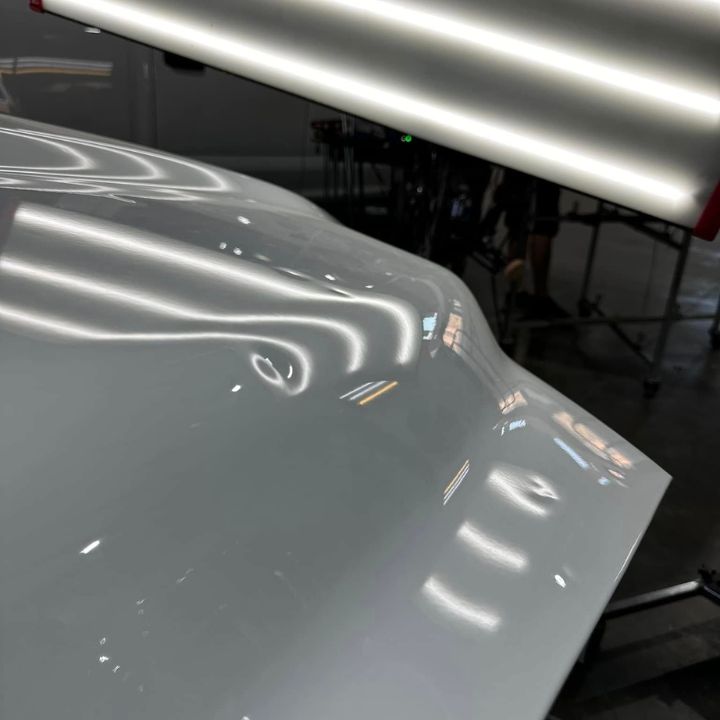
A local detailing shop prepared a five-year-old sedan by performing clay decontamination and a two-step polish to remove swirls. After the C.O.A.T. Prep Checklist was completed, technicians applied a 9H-level nano ceramic coating in a controlled bay. The vehicle required a single light maintenance wash monthly; after 18 months, gloss and hydrophobic performance remained, with only minor rock-chip repair needed—highlighting how proper prep and curing extend benefits.
Core cluster questions for related content
- How long does a 9H nano coating typically last on a daily-driven car?
- What is the difference between 9H nano coatings and traditional wax or paint sealants?
- When is professional paint correction necessary before applying a ceramic coating?
- Which maintenance practices extend the life of a nano ceramic coating?
- Can 9H nano coatings be layered or topped with other protective products?
FAQ
Is 9H nano coating for cars worth the cost?
Value depends on goals: if long-term gloss retention, easier washing, and chemical resistance are priorities, a properly applied 9H-level nano coating can be cost-effective compared with repeated waxing. However, initial cost and the need for correct prep and maintenance should be factored in.
How should a coated car be washed and maintained?
Use two-bucket washing with a grit guard, a pH-neutral car shampoo, and soft microfiber mitts. Avoid abrasive brushes and automatic car washes with stiff brushes. Reapply maintenance sprays designed for ceramic coatings as recommended by the coating maker.
Can 9H nano coatings be removed or repaired?
Coatings can be removed or reduced with abrasive polishing (paint correction). Localized repair is possible but often requires reapplication to the whole panel for consistent appearance. Professionals use machine polishing to safely remove and recoat when needed.
How does 9H compare to other hardness ratings?
Higher pencil hardness numbers (like 9H) suggest greater resistance in a standardized test but do not guarantee extreme scratch immunity in real-world conditions. Coating thickness, underlying clearcoat condition, and impact type are significant factors.
Are there any safety or environmental considerations during application?
Yes. Work in a ventilated area and avoid skin or eye contact with concentrated coating chemicals. Follow manufacturer safety data sheets for handling, disposal, and PPE recommendations.