Abdominal Liposuction in Riyadh: Techniques, Safety, Cost and Recovery Guide
-

- February 23rd, 2026
- 2,257 views

FREE SEO Topical Map Generator: Find Your Next Content Ideas
Abdominal liposuction in Riyadh is a commonly requested cosmetic procedure aimed at reducing localized fat deposits on the abdomen to improve body contours. This guide explains common techniques, candidate considerations, safety standards, typical recovery expectations and cost factors relevant to patients in Riyadh and the surrounding region.
- Abdominal liposuction targets localized fat but is not a substitute for weight loss.
- Techniques include tumescent, ultrasound-assisted, laser-assisted and power-assisted liposuction.
- Candidate suitability and surgical safety are assessed by qualified surgeons and regulated bodies.
- Recovery typically involves bruising and swelling for weeks; final contour may take months.
- Costs vary by technique, surgeon experience and facility; verify credentials and accreditation.
Understanding abdominal liposuction in Riyadh
What the procedure does and does not do
Liposuction removes pockets of subcutaneous fat through small incisions using suction and specialized instruments. It is most effective for isolated bulges that do not respond to diet and exercise. It does not treat generalized obesity, replace a healthy lifestyle, or directly address loose skin or muscle laxity; additional procedures such as abdominoplasty may be indicated in some cases.
Common techniques
Several approaches are used depending on patient needs and surgeon preference:
- Tumescent liposuction: Local fluid (tumescent solution) is injected to reduce bleeding and facilitate fat removal.
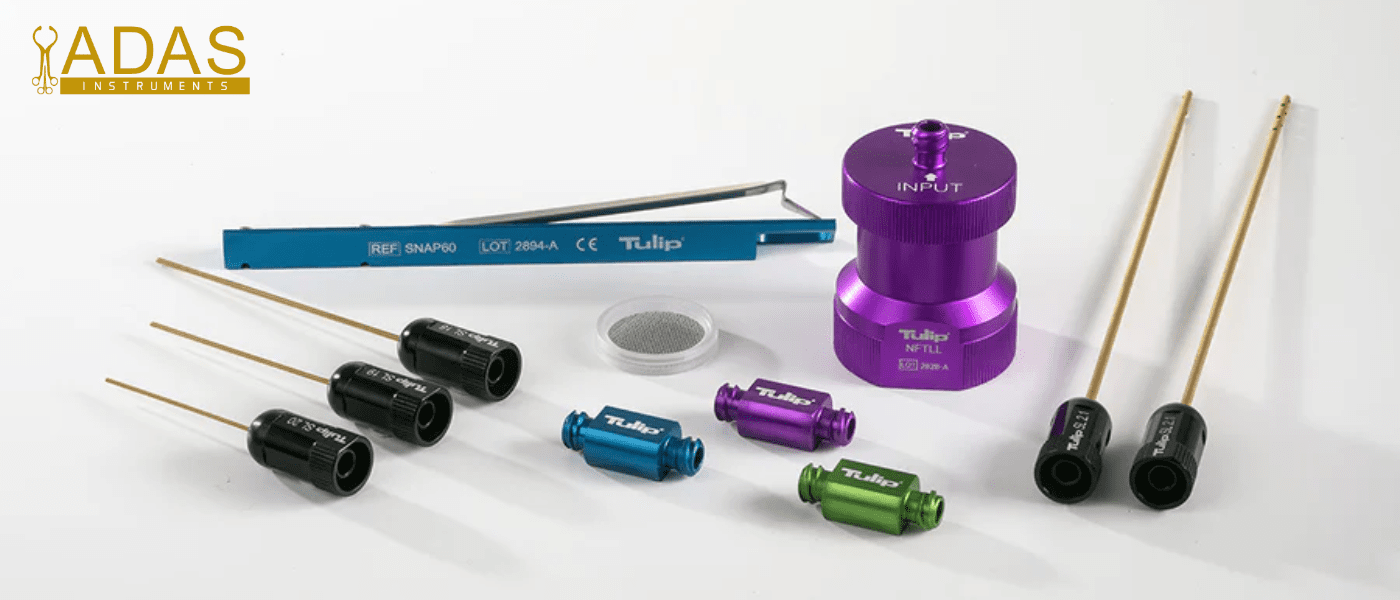
- Ultrasound-assisted liposuction (e.g., VASER): Ultrasonic energy helps break up fat for easier aspiration, sometimes useful in fibrous areas.
- Laser-assisted liposuction: Laser energy liquefies fat and may promote skin tightening in select cases.
- Power-assisted liposuction (PAL): Mechanized cannulas oscillate to speed fat extraction and may reduce surgeon fatigue.
Candidate selection and safety considerations
Who is a typical candidate?
Appropriate candidates are adults in generally good health with realistic expectations, stable body weight, and concentrated fat deposits. Smoking, certain medical conditions, or unrealistic goals may increase risks. A preoperative evaluation typically includes medical history, physical examination and discussion of alternatives.
Credentials, facility standards and regulation
Surgeons should hold relevant surgical board certifications and be licensed by national regulators such as the Saudi Commission for Health Specialties. Procedures performed in accredited hospitals or licensed surgical centers typically follow standardized infection control and anesthesia protocols. For general guidance on health facility standards, official resources such as the Saudi Ministry of Health provide regulatory information and public advisories: Saudi Ministry of Health.
Preparing for the procedure
Preoperative steps
Preoperative planning includes discussing medical history, medications, allergies, and goals. Photographic documentation and marking of treatment areas are common. Surgeons may advise stopping certain medications, arranging transportation, and planning for postoperative care and time off work.
Anesthesia choices
Anesthesia options range from local anesthesia with sedation for limited areas to general anesthesia for larger-volume procedures. The choice depends on the technique, patient factors, and surgeon recommendation.
Recovery, expected results and risks
Typical recovery timeline
Immediately after surgery, expect swelling, bruising, and mild to moderate discomfort. Compressive garments are commonly recommended for several weeks to help contour and manage swelling. Many patients return to light activity within a few days and more strenuous exercise after several weeks, following the surgeon's guidance. Final contour results can take several months as swelling resolves.
Potential risks and complications
As with any surgical procedure, risks include infection, bleeding, asymmetry, contour irregularities, numbness or sensory changes, prolonged swelling, and in rare cases more serious complications related to anesthesia or fluid shifts. Choosing an appropriately trained surgeon and accredited facility reduces risk but does not eliminate it. Discuss potential complications and emergency plans during consultation.
Costs and choosing a surgeon in Riyadh
Cost factors
Costs depend on the technique used, the extent of treatment, surgeon experience, facility fees, anesthesia charges and any additional procedures. Prices vary widely; obtaining itemized estimates and understanding what is included (e.g., follow-up visits, garment costs) helps compare options.
Choosing a qualified surgeon
Verify surgical credentials, hospital privileges and patient reviews. Request before-and-after photos of previous patients treated for similar concerns. Ask about the surgeon’s complication rates, postoperative care plan, and whether the facility is accredited. Confirmation of licensing with the Saudi Commission for Health Specialties and adherence to Ministry of Health guidelines are important trust signals.
Insurance and legal considerations
Coverage and consent
Cosmetic liposuction is usually considered elective and may not be covered by health insurance. Informed consent documents should explain benefits, risks and alternatives. Local regulations govern consent, advertising and the scope of practice; patients may consult local health regulators for consumer protection information.
Follow-up and revision policies
Ask the surgeon about follow-up schedules and policies regarding revisions for contour irregularities. Some issues may improve with time; others could require secondary procedures.
Summary
Abdominal liposuction in Riyadh can reshape abdominal contours when performed by qualified surgeons in accredited facilities. Understanding the available techniques, candidate selection, recovery expectations, potential risks and cost components supports informed decision-making. Consult a licensed surgical specialist for personalized assessment and planning.
How much does abdominal liposuction in Riyadh typically cost?
Costs vary according to technique, treatment area size, surgeon fees, anesthesia and facility charges. Request detailed, itemized estimates from multiple accredited clinics and confirm what is included in the quoted fee.
Is abdominal liposuction safe for people with stable weight?
Many individuals with stable weight and localized fat are suitable candidates, but safety depends on overall health, comorbidities and surgeon assessment. A preoperative evaluation determines suitability.
What is the difference between liposuction and a tummy tuck?
Liposuction removes fat but does not address significant excess skin or weakened abdominal muscles; a tummy tuck (abdominoplasty) removes excess skin and can tighten muscles. Combination procedures may be appropriate in some cases.
How long do results from abdominal liposuction last?
Results can be long-lasting if body weight is maintained. Weight gain after the procedure can alter contours. Healthy lifestyle habits help preserve outcomes.
What should be included in a preoperative consultation?
A consultation should cover medical history, physical exam, discussion of techniques, anesthesia options, realistic outcomes, risks, recovery timeline, costs and follow-up care. Reviewing credential documentation and facility accreditation is recommended.