ABS Module Maintenance & Troubleshooting Guide for Vehicle Owners
-
- Published Updated
- 1,619 views
The ABS module is a key part of a vehicle's anti-lock braking system that monitors wheel speed and controls hydraulic pressure to prevent wheel lockup. Understanding the ABS module helps owners recognize warning signs, perform basic preventive checks, and decide when to consult a trained technician.
- The ABS module (electronic control unit and hydraulic unit) regulates braking pressure to reduce wheel lock and assist vehicle stability systems.
- Common symptoms of problems include an illuminated ABS warning light, unusual brake behavior, or diagnostic trouble codes (DTCs).
- Regular inspections—wheel speed sensors, wiring, and brake fluid—reduce risk of failure. Use an OBD-II scan tool for initial fault reading.
- When in doubt, have a certified technician inspect the system; consult official safety resources for recalls or safety notices.
What is the ABS module?
Core components and role
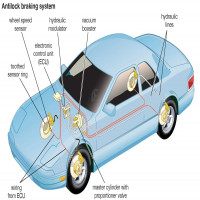
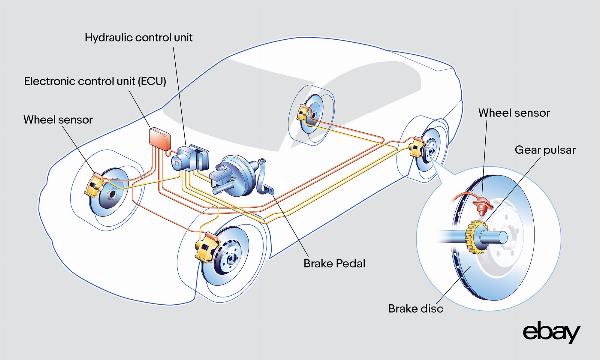
The ABS module combines an electronic control unit (ECU) with valves, a pump, and solenoids to modulate hydraulic pressure at each brake circuit. It receives input from wheel speed sensors and other vehicle stability sensors to detect slip and rapidly adjust braking force, supporting systems such as traction control and electronic stability control.
How ABS works in simple terms
When wheel speed sensors detect a wheel decelerating too quickly, the ABS module temporarily reduces pressure to that brake, preventing lockup. The pump and valves then reapply and adjust pressure many times per second to maintain traction and steerability during hard braking.
Common signs of ABS module problems
Warning lights and messages
An illuminated ABS warning light on the dashboard is the most direct indicator of an issue. Other lights such as the brake warning light or traction control light may appear alongside ABS messages. Diagnostic trouble codes stored in the vehicle's computer often point to the failing component or sensor.
Changes in braking behavior
Symptoms may include unexpected brake pulsation at low speeds, brakes locking under heavy braking, reduced ABS operation, or the ABS activating inappropriately. Noise from the pump running continuously or a soft brake pedal when ABS engages can also indicate a fault.
Routine maintenance and preventive checks
Inspection checklist
- Check for and clear corrosion or damage at wheel speed sensor connectors and wiring harnesses.
- Inspect ABS module mounting points and related hydraulic lines for leaks or loose fittings.
- Monitor the condition and level of brake fluid; contaminated or low fluid can impair ABS operation.
- Follow scheduled brake pad, rotor, and sensor inspections in the vehicle service manual.
Brake fluid, sensors, and environmental factors
Brake fluid attracts moisture over time; periodic flushing per manufacturer recommendations helps prevent internal corrosion. Road grime, salt, or physical damage to wheel speed sensors and tone rings are common environmental causes of ABS faults, especially in regions with heavy winter road treatment.
Basic diagnostics and when to seek professional service
Using OBD-II readers and scan tools
A compatible OBD-II scanner or automotive scan tool can read ABS-specific fault codes, which identify issues such as sensor faults, communication errors, or pump/valve failures. Clearing codes before identifying the root cause may hide intermittent faults; record codes and conditions before clearing.
Repair vs. replacement decisions
Some ABS module issues are resolved by repairing wiring, replacing a sensor or damaged tone ring, or addressing hydraulic leaks. Replacement of the module itself may be required when internal electronic or hydraulic components fail. Proper repair often requires calibrating or programming the module to the vehicle; consider certified brake-service technicians for complex cases.
Safety and regulatory considerations
ABS components affect vehicle safety and may be subject to recalls or service bulletins. For official guidance about safety defects, recalls, or consumer information, consult national safety regulators such as the National Highway Traffic Safety Administration (NHTSA): NHTSA. Vehicle manufacturers and authorized service centers can also provide model-specific procedures and calibration requirements.
Preventive tips for long-term ABS reliability
- Keep brake fluid fresh and change it at intervals recommended by the vehicle manufacturer.
- Avoid high-pressure washing around wheel hubs and connectors; clean gently to prevent water intrusion into electrical connectors.
- Address brake system issues promptly—worn pads, damaged rotors, or leaks increase load on the ABS module and related components.
- Have periodic inspections performed by trained technicians, especially after collisions or sensor damage.
Costs and time considerations
Diagnostic time is typically needed to identify the root cause; repair time and parts vary by vehicle model and the nature of the fault. Programming or calibration may add labor time when modules are replaced. For precise estimates, contact a local certified repair facility or dealership service center.
Frequently asked questions (FAQ)
How does an ABS module work?
The ABS module monitors wheel speed sensors and modulates hydraulic pressure via valves and a pump to prevent wheel lockup, enabling controlled braking and supporting traction and stability systems.
What are common causes of ABS module failure?
Frequent causes include damaged wheel speed sensors or wiring, contaminated brake fluid, corrosion inside the hydraulic unit, and electrical faults from moisture or impact. Environmental exposure and lack of maintenance increase the likelihood of failure.
Can an ABS module be reset or repaired at home?
Basic resets (clearing diagnostic codes) can be performed with a compatible scan tool, but clearing codes without addressing the cause is not recommended. Repairs involving hydraulic components, module replacement, or reprogramming typically require professional tools and expertise.
How urgent is it to fix an ABS module issue?
An ABS fault reduces the vehicle's ability to manage wheel lock and may disable traction control features. While ordinary braking may still function, addressing ABS faults promptly helps maintain safety in emergency braking or slippery conditions.
Where to get further authoritative information about vehicle safety?
Official safety information, recall notices, and consumer guidance are available from national transportation safety agencies such as NHTSA and professional organizations like SAE International, which publish research and standards related to braking and vehicle control systems.