Weight Loss Injections: A Practical Guide to Safe, Effective Use
-

- March 01st, 2026
- 599 views

Get a free topical map and start building content authority today.
Weight loss injections are prescription treatments that assist appetite control, blood sugar regulation, and weight reduction when paired with medical supervision and lifestyle changes. This guide explains how weight loss injections work, who may benefit, expected results, and safety considerations so readers can make an informed decision.
What this covers: mechanisms, candidate criteria, side effects, a SAFE START checklist for beginning treatment, practical tips, and common mistakes. Detected intent: Informational
Primary focus: weight loss injections (GLP-1 receptor agonists, peptide therapies)
Weight loss injections: how they work and the main options
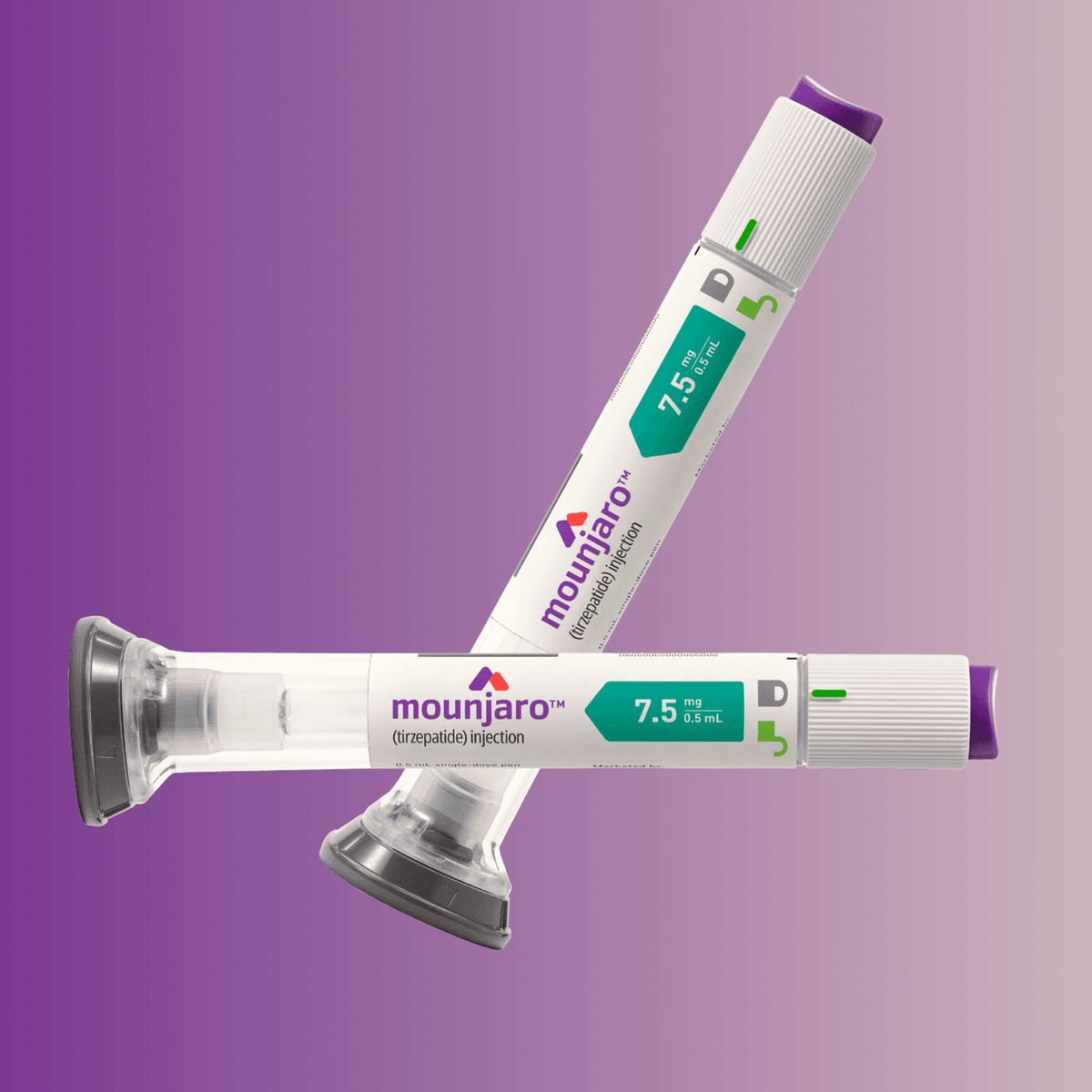
Most modern weight loss injections act on appetite and metabolism. GLP-1 receptor agonists (for example, semaglutide and similar peptides) mimic gut hormones that reduce hunger, slow stomach emptying, and improve blood sugar control. Other peptide-based therapies and combination agents like dual-agonists are in clinical use or development. These medications are prescribed as part of a medical weight-management plan and are not over-the-counter supplements.
Who is a candidate for injections and clinical considerations
Eligibility and assessment
Candidates typically include adults with obesity (BMI ≥30 kg/m²) or overweight (BMI ≥27 kg/m²) with weight-related conditions such as type 2 diabetes or hypertension. A clinician evaluates medical history, medications, pregnancy status, liver and kidney function, and mental health. Treatment is individualized; not everyone will respond the same way.
Regulatory and safety context
Regulatory agencies set approval and safety standards for prescription weight-loss drugs. For up-to-date regulatory information and guidance on approved medications, consult the FDA resource center for prescription drugs: FDA. Clinical monitoring during treatment reduces risk and ensures safe dose adjustments.
SAFE START checklist: a named framework for beginning treatment
Use the SAFE START checklist before starting injections:
- Screening: Confirm BMI, medical history, and pregnancy risk.
- Assessment: Baseline labs (glucose, liver, kidney), medication review, and mental health screening.
- Fit: Discuss goals, expected outcomes, and lifestyle commitment.
- Education: Teach injection technique, storage, and common side effects.
- Start low: Begin at a low dose and titrate per clinician instructions.
- Tracking: Set measurable goals and plan follow-up visits for dose adjustments and monitoring.
Expected results, timelines, and a short real-world example
Typical outcomes vary. Many patients see measurable appetite reduction within weeks and significant weight change over months when therapy is combined with diet and activity changes. Clinical studies report a range of weight loss depending on the agent, dose, and adherence.
Example scenario: A 42-year-old person with a BMI of 33 begins a GLP-1 injection under clinician supervision. After baseline labs and counseling, the dose is started low and gradually increased over 12 weeks. At 6 months, weight decreases by 8–10% while blood pressure and fasting glucose improve; common side effects include mild nausea that resolved with slower titration.
Common side effects and how to manage them
Gastrointestinal symptoms (nausea, vomiting, constipation) are most common. Other issues can include injection-site reactions, changes in appetite, and, rarely, pancreatitis or gallbladder disease. Regular follow-up, dose adjustments, and hydration/nutritional strategies reduce discomfort. Report severe abdominal pain, persistent vomiting, or signs of allergic reaction immediately to a clinician.
GLP-1 injections for weight loss and related safety concerns
GLP-1 injections for weight loss are a major class of prescription therapies. Discuss medical weight loss injections side effects and interaction with existing medications (especially diabetes drugs) with a prescriber. Pregnancy, planned pregnancy, and certain personal or family medical histories are contraindications or require careful evaluation.
Practical tips for people considering injections
- Bring a current medication list and recent labs to the first consultation to speed assessment and avoid interactions.
- Start with a gradual dose increase to reduce nausea; follow the prescriber's titration schedule exactly.
- Pair injections with a realistic nutrition plan and increase activity gradually—medication assists but does not replace lifestyle changes.
- Keep a symptom and weight log for the first 12 weeks to help the care team evaluate response.
Trade-offs and common mistakes
Trade-offs to consider
Benefit trade-offs include meaningful weight loss and metabolic improvements versus costs, need for prescription and medical follow-up, and ongoing treatment in many cases. Some people discontinue therapy once goals are met and find weight returns; others maintain weight loss with continued support.
Common mistakes
- Skipping baseline screening (labs and history) before starting—this can miss contraindications.
- Rushing titration—moving too quickly increases risk of side effects and discontinuation.
- Expecting injections to replace behavior change—medication works best when paired with diet, activity, and sleep improvements.
Core cluster questions (use for deeper learning or internal linking)
- How do weight loss injections work compared with diet and exercise alone?
- Who is eligible for prescription weight loss injections?
- What are the common side effects of GLP-1 injections for weight loss?
- How long should a person stay on medical weight loss injections?
- How to prepare for a first appointment for weight loss injection therapy?
How to get started: practical steps
- Schedule a medical consultation with a primary care clinician or weight-management specialist.
- Complete recommended labs and screening tests before any prescription is started.
- Discuss realistic goals, potential side effects, and a follow-up schedule for dose titration and monitoring.
When to seek immediate medical attention
Seek urgent care for severe abdominal pain, persistent vomiting, signs of pancreatitis (severe upper abdominal pain), rapid heart rate with dizziness, or any signs of allergic reaction (hives, swelling, breathing difficulty).
Final considerations
Weight loss injections can be a useful clinical tool for some people when prescribed and monitored by a clinician. Treatment decisions should be individualized, weighing benefits, risks, costs, and long-term plans for weight maintenance. Combining medical therapy with behavioral support, nutrition counseling, and regular follow-up yields the best outcomes.
Frequently asked questions
Are weight loss injections safe?
Prescription injections have known safety profiles and require clinician oversight and screening. Side effects commonly include gastrointestinal symptoms; rare but serious risks exist. Ongoing monitoring and dose adjustment make treatment safer.
How long does it take to see results from GLP-1 injections for weight loss?
Appetite changes can appear within days to weeks; measurable weight loss is usually seen over several months. Individual results vary based on dose, adherence, and lifestyle changes.
What are the medical weight loss injections side effects to watch for?
Common side effects: nausea, vomiting, constipation, and injection-site reactions. Less common but serious concerns include pancreatitis and gallbladder issues. Discuss personal risk factors with a clinician.
Can injections replace diet and exercise?
Injections complement but do not replace healthy diet and physical activity. Optimal outcomes combine medication with behavior change and professional support.
How to choose a clinician or program for injections?
Choose licensed providers who perform baseline screening, explain risks, offer structured follow-up, and coordinate care with primary care and specialists when needed. Verify credentials and ask about experience with the specific medication class.