Major Airlines Cut Domestic Flight Capacity Ahead of Summer Travel Season
-

- Published Updated
- 7,535 views
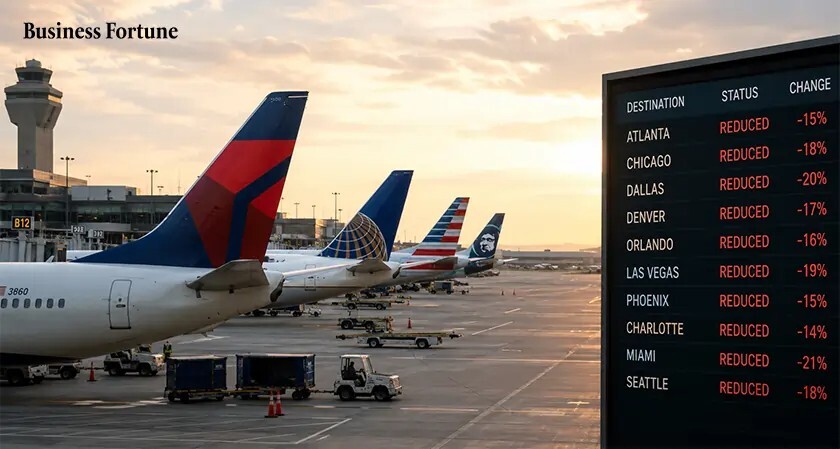
The global aviation industry is entering a challenging summer season as several major airlines begin reducing domestic flight capacity in response to operational pressures, shifting travel demand, and rising economic uncertainty. The latest adjustments by leading carriers reflect a broader trend across the airline sector, where companies are increasingly prioritizing profitability, operational stability, and cost efficiency over aggressive route expansion.
The reduction in domestic flight schedules is expected to impact travelers, tourism markets, airport operations, and regional connectivity during one of the busiest travel periods of the year.
Why Airlines Are Cutting Domestic Capacity
Airlines typically expand flight schedules during summer due to increased vacation travel demand. However, this year, many carriers are scaling back domestic operations to address a combination of economic and operational challenges.
Key factors driving the reductions include:
- Rising fuel costs
- Aircraft availability issues
- Pilot and staffing shortages
- Lower-than-expected domestic demand
- Air traffic congestion
- Operational reliability concerns
By reducing flight frequency on certain domestic routes, airlines aim to improve schedule efficiency and reduce disruptions during peak travel periods.
Industry analysts suggest that carriers are becoming more cautious about overextending operations after facing significant scheduling problems in previous high-demand seasons.
Focus Shifts Toward Profitability
The airline industry has increasingly shifted its focus from rapid growth to sustainable profitability. Rather than maximizing seat capacity at all costs, airlines are now carefully balancing demand forecasts with operational efficiency.
Reducing domestic capacity allows airlines to:
- Optimize aircraft utilization
- Improve on-time performance
- Control operational expenses
- Minimize cancellation risks
- Increase revenue per available seat
This strategy reflects broader efforts across the aviation industry to maintain financial stability amid fluctuating economic conditions.
Major carriers are prioritizing routes with stronger profitability while scaling back services in lower-demand regional markets.
International Travel Demand Remains Strong
Interestingly, while domestic capacity is being reduced in some regions, international travel demand remains relatively resilient.
Many airlines are shifting resources toward:
- International leisure destinations
- Long-haul premium travel routes
- High-demand tourism markets
- Business travel corridors
International flights often generate higher margins, especially in premium seating categories.
As a result, airlines are strategically reallocating aircraft and staffing resources toward routes expected to deliver stronger financial performance during the summer season.
Operational Challenges Continue Affecting Airlines
The aviation sector continues recovering from several years of disruption caused by the pandemic and broader economic instability.
Airlines still face ongoing challenges such as:
- Delays in aircraft deliveries
- Supply chain bottlenecks for maintenance parts
- Staffing recruitment difficulties
- Air traffic control limitations
- Rising operational costs
Aircraft maintenance and availability issues have become particularly important, as manufacturers and suppliers continue dealing with production delays and component shortages.
These operational constraints limit airlines’ ability to expand schedules aggressively even during peak travel seasons.
Impact on Travelers
For travelers, reduced domestic flight capacity could lead to:
- Higher ticket prices
- Limited route availability
- Fewer flight frequency options
- Increased competition for seats
- Potential congestion on remaining flights
Popular travel periods may become especially competitive as airlines reduce available seating capacity while maintaining demand-driven pricing strategies.
Travel experts advise passengers to:
- Book flights earlier than usual
- Remain flexible with travel dates
- Monitor schedule changes closely
- Consider alternative airports when possible
The adjustments could particularly affect smaller regional destinations that rely heavily on domestic airline connectivity.
Regional Airports Could Feel Pressure
Domestic flight reductions may have a significant impact on regional airports and local economies.
Smaller airports often depend on consistent airline service to support:
- Tourism activity
- Business travel
- Regional economic development
- Local employment opportunities
Reduced flight schedules can lower passenger traffic, affecting airport revenues and surrounding hospitality sectors.
Some regional markets may experience reduced connectivity if airlines consolidate operations around higher-demand metropolitan hubs.
Fuel Prices and Cost Pressures
Fuel remains one of the largest operating expenses for airlines. Volatile energy markets and rising oil prices continue placing pressure on airline profitability.
To offset higher costs, airlines are:
- Adjusting schedules strategically
- Retiring older, less efficient aircraft
- Expanding fuel-efficient fleet investments
- Optimizing route networks
Capacity reduction is one way carriers can manage fuel consumption more efficiently while protecting financial performance.
The aviation industry remains highly sensitive to fluctuations in global energy markets and geopolitical developments affecting oil supply chains.
Pilot and Workforce Shortages Persist
Staffing shortages continue affecting airlines globally, particularly in areas involving:
- Pilots
- Aircraft maintenance crews
- Ground operations staff
- Air traffic controllers
The aviation workforce pipeline was significantly disrupted during the pandemic, and rebuilding staffing capacity has proven slower than expected.
Many airlines are now prioritizing operational reliability over schedule expansion to avoid widespread delays and cancellations.
This cautious approach is influencing capacity planning decisions across the industry.
Technology and Data-Driven Scheduling
Modern airlines increasingly rely on AI-driven analytics and predictive systems to optimize route planning and capacity management.
Advanced technologies help airlines:
- Forecast passenger demand
- Predict operational disruptions
- Optimize fuel efficiency
- Improve crew scheduling
- Enhance pricing strategies
Data-driven decision-making is becoming central to how airlines balance profitability with operational performance.
As travel behavior continues evolving, airlines are using real-time analytics to adapt schedules more dynamically than in previous years.
The Broader Aviation Industry Outlook
Despite current capacity reductions, long-term aviation demand remains strong globally.
Industry forecasts continue projecting growth driven by:
- Expanding middle-class travel markets
- International tourism recovery
- Rising business travel demand
- Increased mobility across emerging economies
However, airlines are expected to maintain more disciplined growth strategies compared to the pre-pandemic era.
Future expansion will likely prioritize:
- Operational resilience
- Sustainability initiatives
- Fuel efficiency
- Digital transformation
- Route profitability optimization
Sustainability and Fleet Modernization
Airlines are also balancing operational decisions with sustainability goals.
Many carriers are investing in:
- Fuel-efficient aircraft
- Sustainable aviation fuel initiatives
- Carbon reduction programs
- Fleet modernization strategies
Reducing unnecessary capacity can also help lower emissions by improving load factors and operational efficiency.
The aviation industry faces increasing pressure from regulators and investors to align growth strategies with environmental sustainability objectives.
Conclusion
The decision by major airlines to reduce domestic capacity during the summer season highlights the complex challenges facing the global aviation industry. Rising operational costs, staffing shortages, fuel price volatility, and shifting travel demand are forcing carriers to adopt more cautious and efficiency-focused strategies.
While travelers may experience higher prices and fewer flight options on some domestic routes, airlines are prioritizing operational stability and long-term profitability in an increasingly competitive environment.
As the aviation sector continues adapting to changing market conditions, capacity management, technological innovation, and sustainable operations are expected to play a major role in shaping the future of air travel.
👉 Read the complete published article here: https://bizfortune.com/2026/05/airlines-reduce-domestic-capacity
👉 Follow Business Fortune for the latest updates on aviation, travel industry trends, global business, and economic developments.