How to Succeed in the Amazon Job Assessment 2024: Interviews, Assessment Centers, and Preparation
-

- February 23rd, 2026
- 1,802 views

FREE SEO Topical Map Generator: Find Your Next Content Ideas
The Amazon job assessment is a multi-stage process that evaluates skills, fit with Amazon's Leadership Principles, and role-specific abilities. This guide explains common assessment types used in 2024, what to expect at interview and assessment center stages, and practical preparation strategies for candidates across technical and non-technical roles.
- Typical stages: online assessment, phone/video screen, assessment center or virtual onsite, and final interview.
- Assessments include situational judgment tests (SJT), work-sample tasks, coding challenges, and behavioral interviews tied to Leadership Principles.
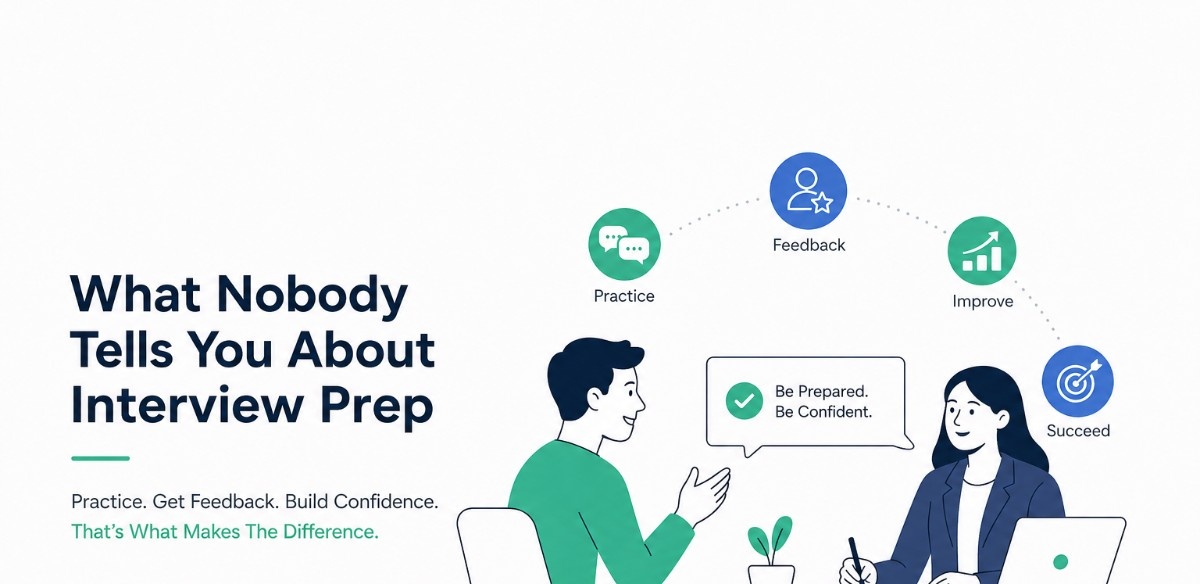
- Preparation should combine practice tests, structured STAR stories, role-specific exercises, and time-management rehearsal.
- Know legal and fairness considerations: employers must follow non-discrimination rules and best practices as outlined by HR authorities.
Overview of the Amazon hiring process
Typical stages
Most hiring tracks begin with an application through the company careers site and resume screening. After initial screening, common stages include an online assessment or work sample, one or more phone or video screening interviews, an assessment center or virtual onsite session, and a final interview with a hiring manager or panel. Technical roles may add live coding, pair-programming, or take-home projects.
Who is assessed and why
Assessments are used to evaluate cognitive skills, role-specific competencies, and behavioral fit. Many employers use multiple measures to reduce bias and improve predictive validity, consistent with best practices recommended by human resources organizations such as the Society for Human Resource Management (SHRM).
Understanding the Amazon job assessment: types and formats
Online aptitude and situational judgment tests
Online assessments often measure numerical, verbal, and logical reasoning. Situational judgment tests (SJTs) present workplace scenarios and ask candidates to choose or rank responses. These are designed to measure judgment, decision-making and alignment with values such as customer obsession and ownership.
Work samples and take-home projects
Role-specific work samples are common. For software roles, this may be a coding task or system design exercise. For operational roles, simulations or case-based tasks may be used. Work samples generally have high job relevance and predictive validity.
Behavioral interviews and Leadership Principles
Behavioral interviews use the STAR (Situation, Task, Action, Result) approach. Amazon emphasizes Leadership Principles as interview anchors; expect questions requesting concrete examples that demonstrate outcomes and measurable impact.
How assessment centers and onsite interviews work
Assessment center activities
Assessment centers can be in-person or virtual and combine exercises such as group discussions, role plays, presentations, and individual tasks. Observers score candidates on predefined competencies. Time management, collaboration, and clarity of contribution matter in group exercises.
Panel interviews and the bar-raiser
Final interviews often include panels. Some organizations use a "bar-raiser" — an interviewer responsible for maintaining hiring standards. Expect detailed follow-ups, probing for measurable outcomes and trade-offs in decision-making.
Preparation strategies that work
Study the job description and map competencies
Break the job description into required skills and responsibilities. Map these to likely assessment tasks and prepare targeted examples that show measurable impact. For technical roles, identify the core algorithm and systems topics mentioned.
Practice tests and time management
Use timed practice tests for numerical, verbal, or coding assessments to build speed and accuracy. Simulate test conditions (quiet environment, uninterrupted time) to reduce surprises on assessment day.
STAR stories and behavioral prep
Prepare multiple STAR-format examples for leadership, problem solving, conflict resolution, and scale. Include metrics when possible (performance improvements, cost savings, time reduced). Rehearse concise summaries that highlight the candidate's role and the results.
Day-of-assessment tips and accessibility
Logistics and environment
Confirm time zone, required software, and hardware checks ahead of time. For virtual assessment centers, use a reliable internet connection and a quiet, well-lit space. Arrive or log in early to address technical issues.
Accessibility and accommodations
Employers are typically required to provide reasonable accommodations for candidates with disabilities under local laws. Request accommodations early through the recruiter or the application portal to allow time for arrangements.
Legal, fairness, and evidence-based considerations
Non-discrimination and validity
Assessment providers and employers should follow non-discrimination laws and validation practices. Regulatory guidance and professional standards from organizations such as the Equal Employment Opportunity Commission (EEOC) and the Society for Industrial and Organizational Psychology (SIOP) outline legal and psychometric best practices.
What to expect after the assessment
Timelines for feedback vary by role. Recruiters may provide next-step information or invite candidates to interviews. If feedback is not provided automatically, a polite inquiry to the recruiter is appropriate once an expected decision window has passed.
For official role listings, application instructions, and standard hiring timelines, refer to the company careers site: Amazon Jobs.
Common mistakes to avoid
Poor example selection and vague answers
Avoid vague or irrelevant examples in behavioral interviews. Select concrete situations that demonstrate measurable outcomes and clear personal contribution.
Underestimating the role of structure
Failing to structure responses or rushing through work-sample tasks can reduce clarity. Use frameworks for problem solving and state assumptions explicitly in design or analytical exercises.
Final checklist before applying
- Align resume bullets with the job description and measurable results.
- Prepare 6–8 STAR stories covering leadership, problem solving and execution.
- Complete timed practice tests matching the assessment format.
- Verify technical setup and request accommodations if needed.
FAQ
How long does the Amazon job assessment take?
Duration varies by role and assessment type: short online aptitude tests may take 20–45 minutes, coding or take-home assignments can take several hours, and assessment center days may last half a day or a full day. Recruiters usually provide estimated times in advance.
What does an assessment center evaluate?
Assessment centers evaluate role-specific skills, teamwork, communication, and behavioral fit through multiple exercises scored against predefined criteria. Observers and interviewers document results for objective comparison across candidates.
Is the Amazon job assessment difficult to pass?
Difficulty depends on preparation and match between candidate skills and the role. Thorough preparation—practicing role-relevant tasks, refining STAR stories, and rehearsing timed exercises—improves performance and confidence.
Can candidates request feedback after assessments?
Feedback policies vary. Some organizations provide detailed feedback, while others offer limited information. A courteous follow-up email to the recruiter is appropriate to ask about next steps or feedback options.