The Architecture Revolution: 10 Trends Redefining Indian Spaces
-

- Published Updated
- 4,305 views
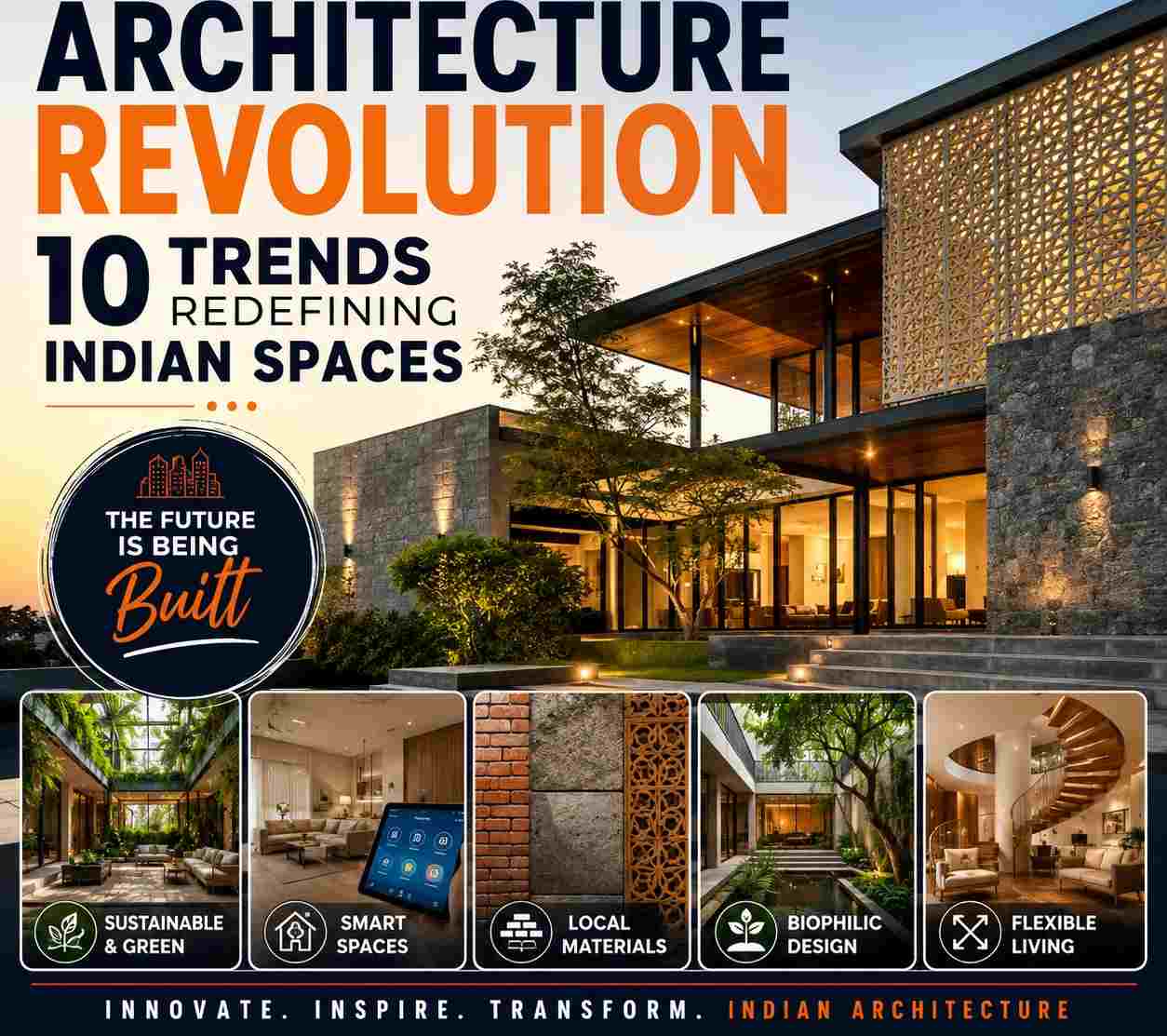
Today’s architecture is no longer just about creating beautiful structures. It is about comfort, functionality, sustainability, identity, and the way people experience a space.Learn More
Whether you are an architect, homeowner, builder, interior designer, or simply someone fascinated by beautiful spaces, these 10 architecture trends in India are worth watching.
1. Modern Architecture Meets Indian Heritage
One of the most interesting trends is the combination of contemporary design with traditional Indian elements. Architects are bringing back materials, patterns, courtyards, arches, jaalis, stonework, and regional craftsmanship—but presenting them in a modern way.
The result is a space that feels contemporary without losing its cultural identity.
2. Sustainable Architecture Is Becoming Mainstream
Sustainability is moving from a design concept to a necessity. Indian architects are increasingly considering natural ventilation, daylight, rainwater harvesting, solar energy, energy-efficient materials, and environmentally responsible construction.
The goal is simple: create buildings that are comfortable for people while reducing their impact on the environment.
3. Biophilic Design Brings Nature Indoors
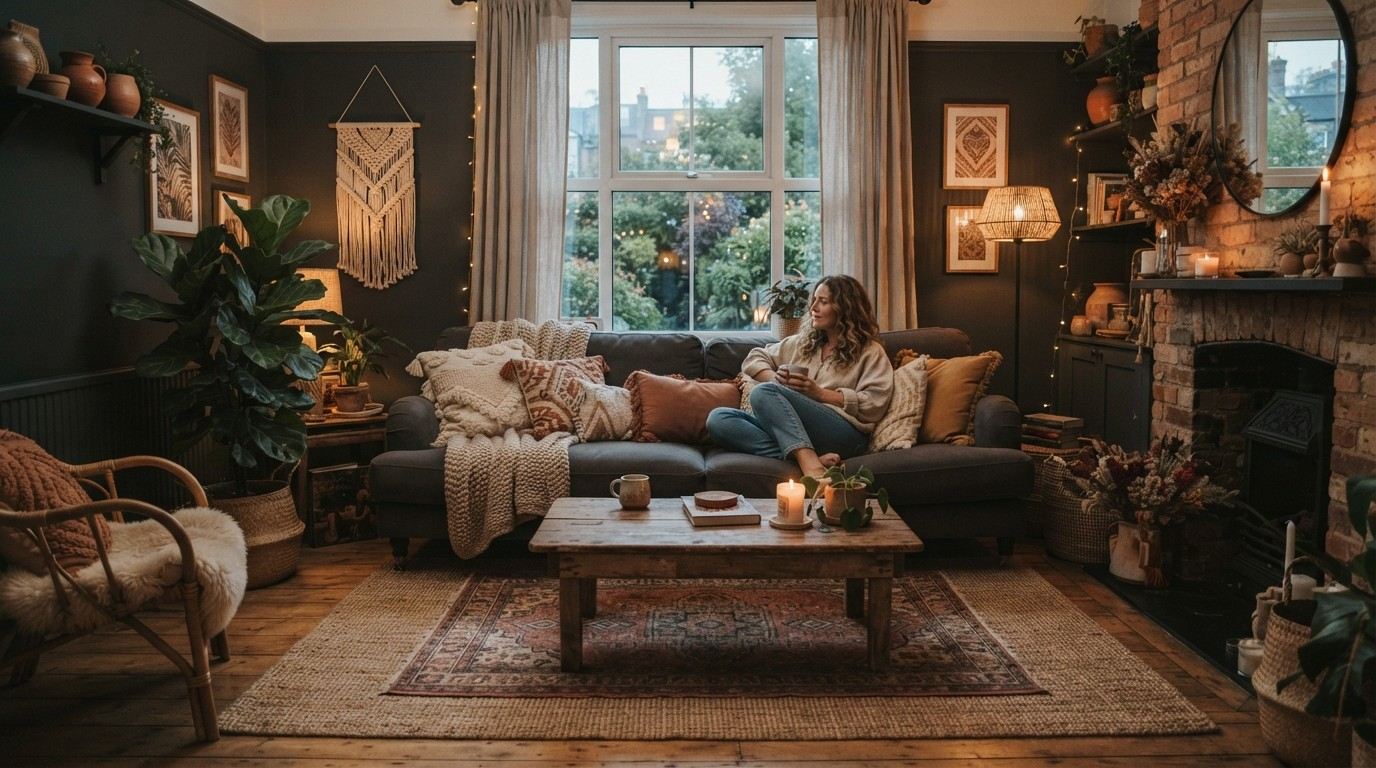
Imagine waking up to natural light, indoor plants, open courtyards, and views of greenery. That is the idea behind biophilic architecture.
Indian spaces are increasingly incorporating plants, water features, natural materials, terraces, balconies, and large openings to create a stronger connection between people and nature.
This trend is particularly attractive for urban homes where access to natural surroundings can be limited.
4. Smart Homes Are Changing Everyday Living
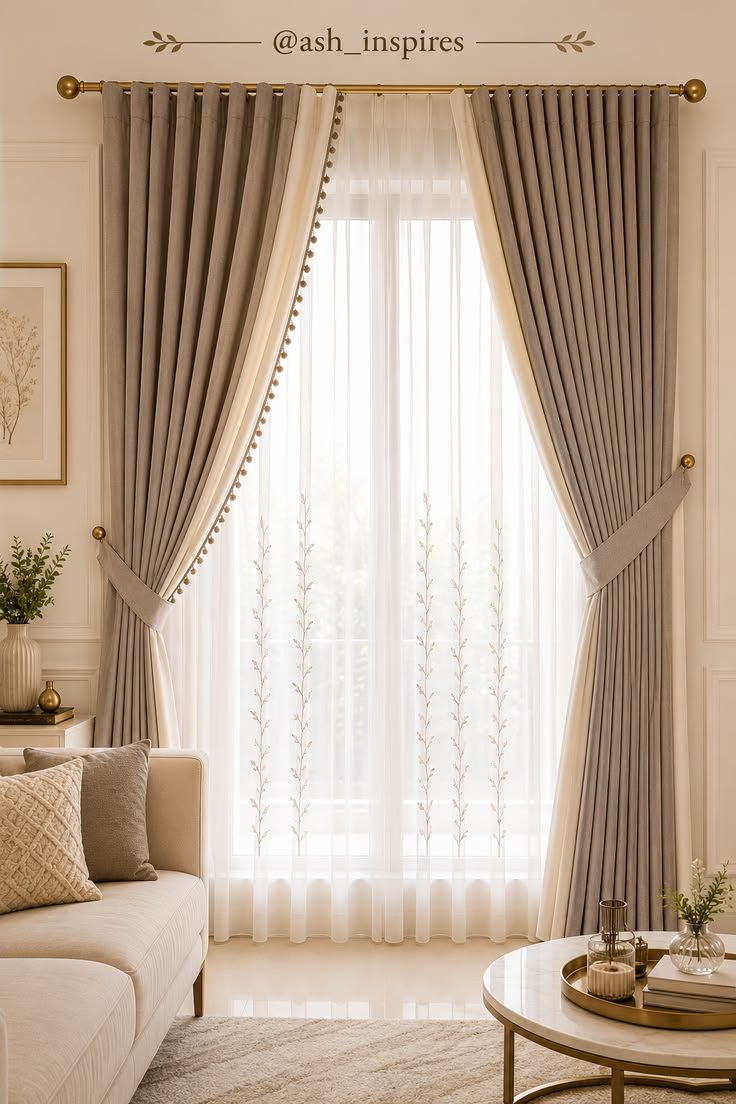
Technology is becoming an important part of modern architecture. Smart lighting, automated curtains, security systems, temperature control, voice assistants, and energy monitoring can now be integrated into residential spaces.
The future home is not simply designed to look good—it is designed to respond to the people living inside it.
5. Flexible Spaces for Modern Lifestyles
The traditional idea of assigning one room to one purpose is changing. Modern Indian homes increasingly feature multipurpose spaces that can transform according to daily needs.
A home office can become a guest room. A dining area can double as a workspace. Open-plan layouts can create a sense of spaciousness while allowing families to use the same area in different ways.
6. Minimalism With a Touch of Luxury
Minimalist architecture continues to gain popularity, but Indian homeowners are adding warmth and personality to it.
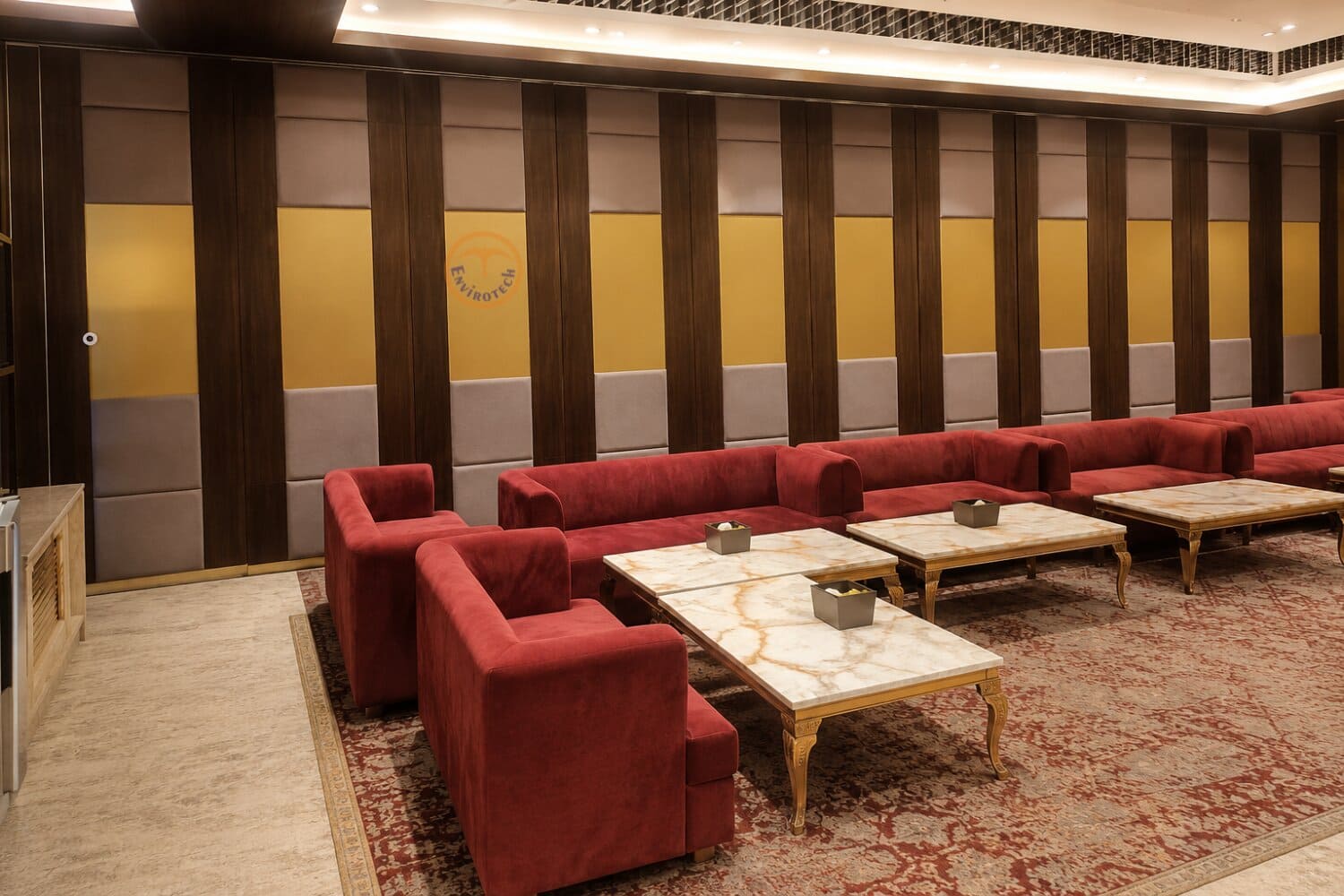
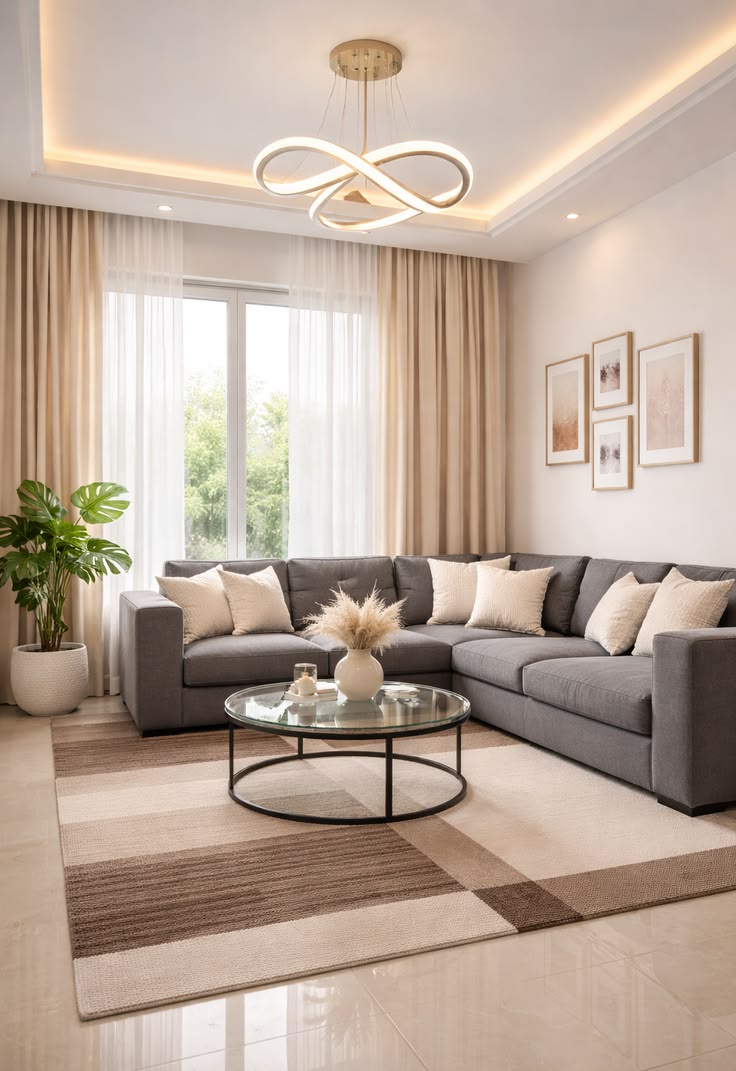
Clean lines, neutral tones, uncluttered layouts, natural textures, statement lighting, premium finishes, and carefully selected furniture are creating spaces that feel luxurious without appearing excessive.
The new definition of luxury is increasingly about quality, comfort, and thoughtful design rather than simply adding more decoration.
7. Local Materials Are Making a Comeback
Stone, brick, wood, terracotta, lime finishes, and other locally sourced materials are finding new relevance in contemporary architecture.
Using regional materials can give buildings a distinctive identity while potentially reducing transportation requirements. More importantly, these materials connect modern spaces with the character of their location.
8. Climate-Responsive Design
India has diverse climates, from hot and humid coastal regions to dry interiors and cooler northern areas. One architectural approach cannot work everywhere.
Architects are increasingly designing according to local climate conditions. Shading devices, courtyards, cross-ventilation, insulation, orientation, and appropriate materials can make buildings more comfortable and energy-efficient.
Good architecture does not simply fight the climate—it works with it.
9. Adaptive Reuse Is Giving Old Buildings New Life
Instead of demolishing every old structure, architects are exploring ways to transform existing buildings into useful modern spaces.
Old homes, warehouses, factories, and heritage structures can become offices, cafés, galleries, studios, hotels, or contemporary residences.
Adaptive reuse can preserve architectural character while giving forgotten spaces a new purpose.
10. Architecture Is Becoming More Experience-Driven
Perhaps the biggest change is that architecture is increasingly focused on how people feel inside a space.
Light, sound, texture, movement, greenery, proportions, views, and material choices all contribute to the experience. A successful building is no longer judged only by its exterior appearance. It is judged by how effectively it supports the people who use it.
The Future of Indian Architecture
The architecture revolution in India is not about choosing between tradition and modernity. It is about bringing the best of both worlds together.
Want to discover more architecture stories, ideas, trends, and inspiring projects from India? Explore HIT Chronicle’s Architecture Magazine and see how the spaces of today are shaping the India of tomorrow.
India’s architecture scene is also rapidly expanding with new design studios, young architects, and experimental projects emerging across cities. From metro skylines to rural innovations, the transformation is visible everywhere. This evolution reflects not just design progress but also changing lifestyles, aspirations, and environmental awareness across the country.
Explore HIT Chronicle – Architecture Magazine India
UndoAccept
See More