How Ashish Aggarwal of SpaceMantra Predicts the Next Wave of Luxury Trends in Real Estate
-

- June 25th, 2026
- 1,588 views
Introduction
Industry leaders are redefining expectations for high-end property, and the conversation around luxury trends in real estate is increasingly centered on sustainability, technology, and human experience. Ashish Aggarwal, founder and CEO of SpaceMantra, highlights how these forces interact with demographic shifts, regulatory frameworks, and market dynamics to reshape luxury residences and mixed-use developments worldwide.
- Luxury now prioritizes sustainability, personalized technology, and curated experiences over mere size or location.
- Developers are integrating smart-home systems, wellness amenities, and resilient design to meet evolving buyer expectations.
- Regulatory standards and certifications such as LEED and the WELL Building Standard influence design and market value.
- New ownership models and PropTech platforms are expanding access to premium assets through fractionalization and data-driven services.
Luxury trends in real estate: major drivers
The shift in what buyers and tenants consider luxury has several interlocking drivers. Environmental regulations and corporate environmental, social, and governance (ESG) commitments push developers to adopt green building practices and energy-efficient systems. Health and wellness concerns, amplified by the COVID-19 pandemic, have accelerated demand for indoor air quality measures, contactless technology, and on-site wellbeing amenities. Meanwhile, rapid advances in PropTech—artificial intelligence, IoT, and digital twin modeling—enable higher levels of personalization, predictive maintenance, and operational efficiency in premium assets.
Design and amenity evolution
Experiential design over ornamentation
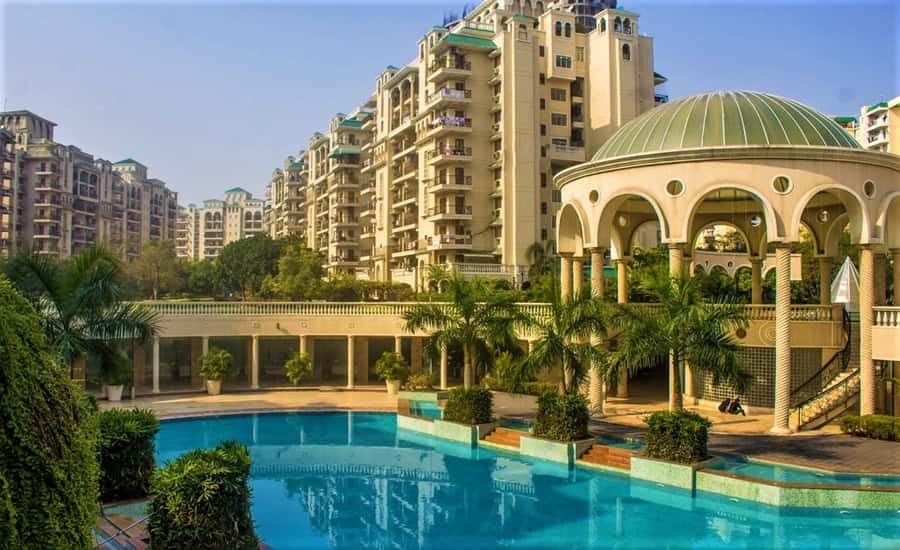
Contemporary luxury emphasizes curated experiences: flexible interiors, multi-functional common spaces, private work studios, and amenities that support lifestyle aspirations such as on-site fitness, wellness spas, and concierge-like services. Materials and finishes remain important, but investment increasingly flows to spaces that foster community, privacy, and convenience.
Wellness and resilience
Wellness-oriented features—improved ventilation, circadian lighting, outdoor access, and biophilic design—are now standard considerations for high-end projects. Certifications and industry guidance from organizations like the International WELL Building Institute and government building codes shape these implementations. In addition, climate resilience measures such as flood-proofing, elevated systems, and passive cooling are more common in luxury developments located in climate-vulnerable areas.
Technology, data, and personalization
Smart homes and integrated systems
Integration of smart-home platforms, energy management systems, and predictive maintenance tools enhances owner convenience and asset longevity. Data-driven building operations improve comfort while lowering lifecycle costs. Privacy and cybersecurity are rising priorities as connected devices proliferate; robust data governance and secure IoT implementations are essential.
Digital sales and asset access
Virtual tours, drone footage, and immersive 3D renderings have become indispensable tools for marketing and due diligence in luxury markets. Additionally, fractional ownership models, tokenization, and specialized platforms allow more people to access parts of high-value properties, changing the investor base and liquidity dynamics for premium real estate.
Regulation, standards, and market signals
Policy and standard-setting bodies influence which features become mainstream. Building certification programs and energy codes guide material choices and systems design. For projects aiming to market themselves as truly sustainable, alignment with third-party programs such as LEED is common practice; information about LEED certification and green building principles is available from the U.S. Green Building Council (USGBC) (external). Urban planning policies and zoning laws also affect the feasibility of mixed-use and amenity-rich developments, while tax incentives or local regulations can accelerate retrofit and net-zero initiatives.
Financial and ownership implications
While luxury real estate traditionally relied on scarcity and location, added value now stems from operational service levels, technological capabilities, and environmental performance. These factors can affect pricing, insurance costs, and long-term resale value. Investors and developers who quantify lifecycle benefits and occupant health outcomes are better positioned to justify upfront investments in advanced systems and certifications. Risk assessment increasingly considers climate projections, supply-chain resilience, and regulatory compliance.
Market segments and geographic differences
Expect variation by market: in rapidly urbanizing cities, mixed-use developments with integrated transit access and comprehensive amenity programs remain attractive; in suburban or resort locales, privacy, expansive outdoor space, and bespoke services dominate. Regional climate risks, local building codes, and buyer demographics (for example, preferences among Millennials, Gen Z, and high-net-worth older buyers) influence which luxury strategies succeed.
Implementation challenges
Cost, supply chain, and skills
Upfront costs for sophisticated systems and sustainable materials can be substantial. Supply-chain constraints and limited availability of specialized contractors are practical hurdles. Project timelines often extend to accommodate testing, certification, and integration of complex technologies.
Measuring outcomes
Establishing meaningful, standardized metrics for health outcomes, energy performance, and occupant satisfaction remains a work in progress. Third-party audits and post-occupancy evaluations help close the feedback loop between design intent and lived performance.
The outlook: convergence of values
Luxury trends in real estate are converging around a few core values: environmental stewardship, personalized technology, and experience-driven design. As these elements become embedded in the premium segment, they will also diffuse into broader housing markets, driven by regulation, consumer expectation, and technological cost curves. Stakeholders—from architects and developers to town planners and investors—will need cross-disciplinary approaches to deliver resilient, desirable, and fiscally responsible luxury properties.
Conclusion
Ashish Aggarwal's perspective highlights that the definition of luxury is evolving from static displays of wealth toward dynamic systems that improve wellbeing, minimize environmental impact, and provide adaptable living environments. The resulting projects require collaboration across design, technology, policy, and finance to meet both market demand and regulatory expectations.
FAQ
What are the most important luxury trends in real estate today?
Key trends include sustainability and energy efficiency, smart-home integration, wellness-focused amenities, experiential design, and new ownership models such as fractional access and digital platforms.
How do sustainability certifications affect luxury property value?
Certifications can increase marketability and long-term value by demonstrating verified performance in energy, water, and occupant health. They also influence insurance and financing considerations, and may be favored by investors focused on ESG criteria.
How will technology change the luxury living experience?
Technology enables greater personalization, predictive maintenance, improved energy management, and seamless resident services, while raising new requirements for data security and system interoperability.