Avoid These Common Umrah Mistakes: Practical Guide for Pilgrims
-

- February 23rd, 2026
- 1,773 views

FREE SEO Topical Map Generator: Find Your Next Content Ideas
Planning a pilgrimage can be spiritual and logistically complex. This guide highlights the most common mistakes to avoid during Umrah and practical steps to prepare, follow rituals correctly, and stay safe. Including the phrase mistakes to avoid during Umrah in early planning helps focus attention on both ritual performance and practical concerns.
- Prepare documents, visas, and vaccinations well in advance.
- Understand Ihram rules and the sequence of rituals (Tawaf and Sa'i).
- Respect local customs and official guidance from the Ministry of Hajj and Umrah.
- Plan for health, mobility, and accommodation to avoid preventable problems.
Common Mistakes to Avoid During Umrah
Not verifying travel documents and visa requirements
One common mistake is leaving visa, passport, or required travel documents until the last minute. Entry requirements and electronic registration systems change periodically. Check official guidance from the relevant authorities, such as the Ministry of Hajj and Umrah, and complete any electronic forms or e-visa requirements before departure. Make photocopies of important documents and keep digital backups in a secure cloud account.
Misunderstanding Ihram rules and restrictions
Failing to enter Ihram correctly or misunderstanding prohibited acts while in Ihram can cause confusion and distress. Study the specific restrictions for men and women, including clothing rules, grooming, and actions that are prohibited during Ihram (for example, trimming hair or nails, wearing perfume). Allow adequate time to assume Ihram peacefully before reaching the Miqat (designated boundary).
Before Travel: Planning and Preparation
Ignoring health preparations and vaccinations
Health-related mistakes are common. Review vaccination requirements and health advisories issued by public health authorities. The World Health Organization (WHO) and local health ministries provide up-to-date recommendations for travel clinics. Ensure routine vaccinations are current, bring a basic medical kit, and carry any prescription medications in original containers with clear labels.
Poor packing choices and unsuitable footwear
Packing heavy luggage or inappropriate footwear can make the pilgrimage physically harder. Choose lightweight, breathable clothing that respects Ihram and modesty rules. Comfortable, supportive shoes for Tawaf and Sa'i are essential. Pack a small, foldable bag to carry water, identification, and prayer items.
During Rituals: Common Errors and How to Avoid Them
Rushing or skipping sequence of rituals
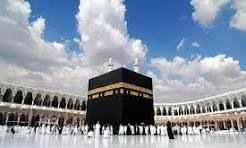
Another frequent mistake is performing rituals out of sequence or rushing through them. Know the sequence—assume Ihram, perform Tawaf around the Kaaba, offer two Rak'ahs if appropriate, then perform Sa'i between Safa and Marwah. Taking time to understand the steps can reduce errors and increase spiritual focus.
Incorrect physical actions or recitations
Errors in physical movements or recitations usually stem from uncertainty. Study reliable instructional resources or attend local classes before travel. Listening to recordings and following widely accepted guides from reputable religious authorities can clarify common points of confusion.
Health, Safety, and Practical Tips
Neglecting hydration and rest
Dehydration, exhaustion, and heat exposure are frequent problems, especially during peak seasons. Plan rest periods, hydrate regularly, and avoid overexertion. Use shade and air-conditioned spaces when available. If traveling with elderly or mobility-limited companions, consider mobility aids and accommodations near the Haram.
Overlooking crowd and safety management
Large crowds can lead to accidental separation, injury, or lost items. Identify meeting points, carry contact information for group leaders, and register with any official local assistance services offered in Makkah and Madinah. Follow instructions from crowd management officials to minimize risk during peak times.
Cultural and Legal Considerations
Disregarding local rules and etiquette
Respect for local customs and laws is essential. Dress modestly when not in Ihram, observe gender segregation rules where required, and respect prayer times and local norms. Avoid behaviors that might be acceptable elsewhere but are offensive or illegal in Saudi Arabia, such as public displays that contradict local laws.
Not following official updates and guidance
Regulations, health requirements, and pilgrimage processes can change. Regularly check updates from the Ministry of Hajj and Umrah and local consular services. For official information, consult the Ministry of Hajj and Umrah website: https://www.haj.gov.sa/.
Practical Organization Tips
Using verified travel providers and accommodation
Working with experienced, licensed service providers reduces logistical errors. Confirm bookings, transfers, and schedules in advance and keep contact numbers handy. Verify accommodation proximity to the Haram and transport options to minimize transit time and stress.
Managing expectations and time
Unrealistic expectations can cause disappointment. Build flexibility into the itinerary to account for delays, large crowds, and time for reflection. Allow extra time for key rituals and avoid trying to complete too many activities in one day.
Frequently Asked Questions
What are the most common mistakes to avoid during Umrah?
The most common mistakes include incomplete documentation, misunderstanding Ihram rules, rushing rituals, neglecting health precautions like hydration and vaccinations, and not following official guidance or local laws.
How can pilgrims prepare to avoid ritual errors?
Study the sequence of rituals beforehand, attend instructional sessions if available, follow guidance from trusted religious authorities, and allow adequate time at each stage of the pilgrimage.
Where can official guidance and updates be found?
Official guidance is available from national ministries responsible for pilgrimage administration and local health authorities. Check the Ministry of Hajj and Umrah and consular advice for the latest requirements and advisories.
How should health and safety be prioritized during Umrah?
Prioritize vaccinations and routine health checks, stay hydrated, schedule rest, use appropriate footwear, and follow crowd safety instructions. For specific health concerns, consult a qualified healthcare provider before travel.